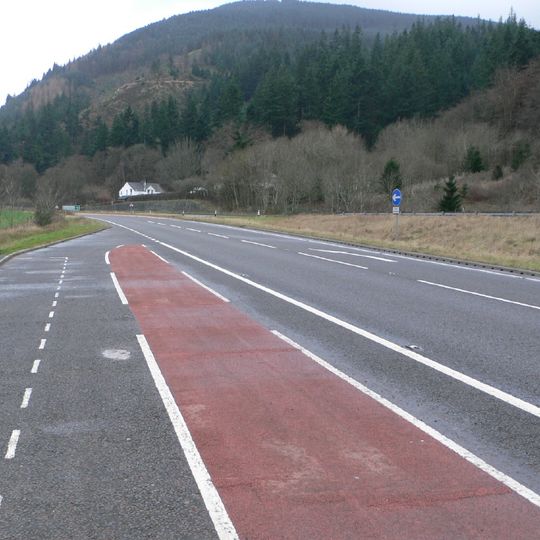
A66 road, major road in Northern England
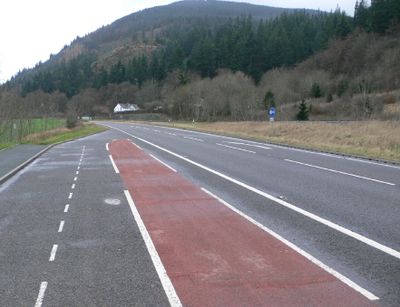
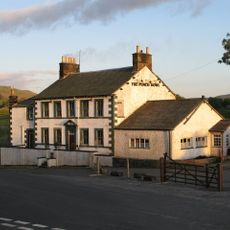
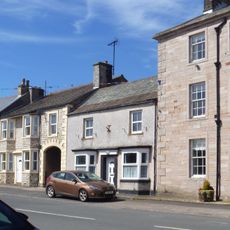
The A66 is a major road in northern England stretching from near Middlesbrough in the east to Workington in the west, passing through Cumbria, North Yorkshire, and County Durham. The route crosses a varied landscape of settlements, open fields, and hilly moorland, with some sections laid out as dual carriageways while others have only single lanes in each direction.
The A66 was originally laid out in the 1920s as a route from Penrith to Hull, but many sections followed existing Roman roads from ancient times. Over the decades, several stretches were widened and realigned, and the Temple Sowerby bypass was completed in 2007 after years of planning.
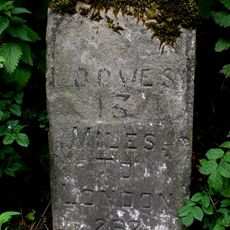
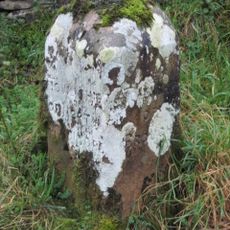
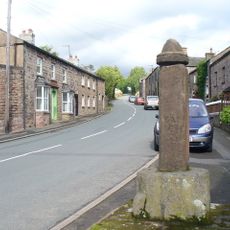
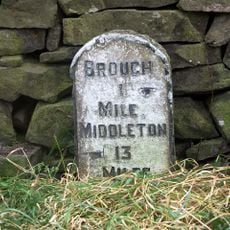
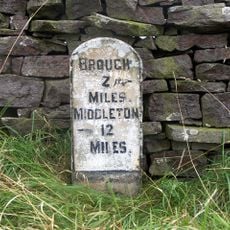
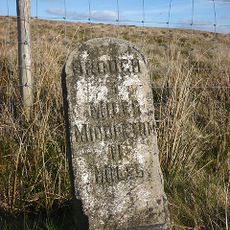
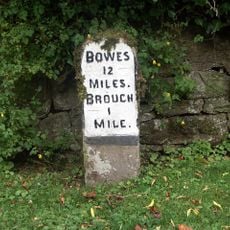
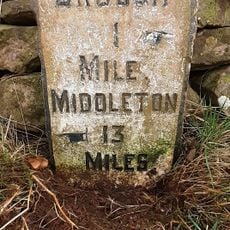
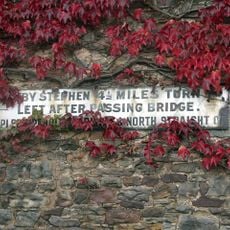
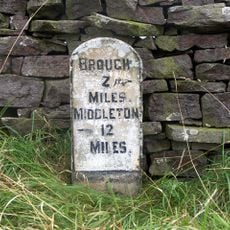
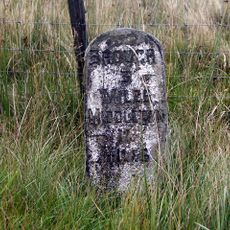
The A66 partly follows the route of a Roman road, which you can see marked by old milestones still standing along the roadside. This connection to ancient times shapes how travelers experience the journey through the region.
The section between Scotch Corner and Penrith can become slippery in winter weather, especially across the moorland stretches, so it is wise to check conditions before traveling. The route is a single carriageway in places, which can lead to delays during heavy traffic periods.
A Roman milestone still stands along the roadside in Temple Sowerby, showing that travelers used this route thousands of years ago. Also noteworthy is the Brick Train sculpture near Cockermouth, which represents the industrial history of the region.
The community of curious travelers
AroundUs brings together thousands of curated places, local tips, and hidden gems, enriched daily by 91,968 contributors worldwide.