Goss Moor, Nature reserve and Site of Special Scientific Interest in Cornwall, England
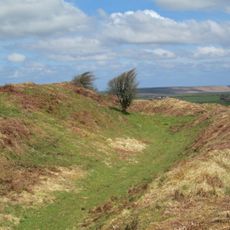
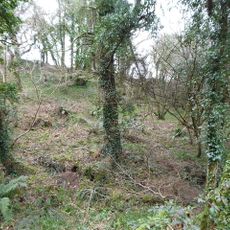
Goss Moor is a nature reserve and Site of Special Scientific Interest in Cornwall, England, made up of lowland heath, wetland, and patches of woodland. It forms the largest continuous mire system in south-west Britain, supporting a wide range of wildlife across its different habitat types.
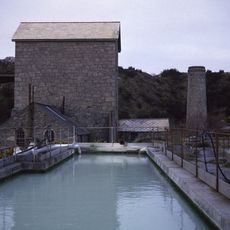
From the 1830s, the land was shaped by tin mining, using water and manual digging to extract metal from the ground. Industrial dredging continued into the early 1900s before operations stopped and the area slowly returned to its natural state.
Goss Moor is used today by walkers, cyclists, and horse riders who share the same paths across the open land. The wide, open feel of the moor gives visitors a sense of being far from towns, even though roads are never far away.
A circular trail crosses the reserve and is open to walkers, cyclists, and horse riders, with several parking areas and entry points along the way. Waterproof footwear is a good idea since the ground can be wet and boggy, especially after rain.
The River Fal has its source inside the reserve, which makes this moorland the starting point of one of Cornwall's main rivers. Two plants found here, yellow centaury and marsh clubmoss, grow in only a handful of places across all of Britain.
The community of curious travelers
AroundUs brings together thousands of curated places, local tips, and hidden gems, enriched daily by 92,756 contributors worldwide.