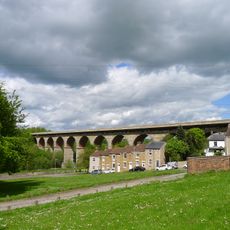
Gaunless Bridge, Railway bridge in West Auckland, England
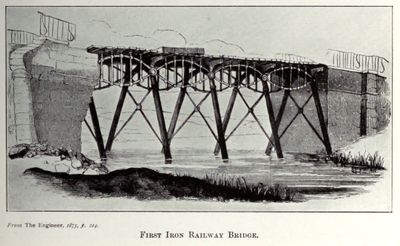
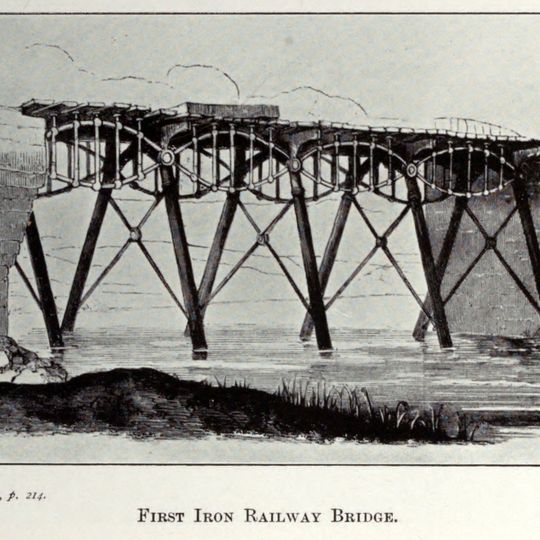
Gaunless Bridge is a railway bridge made of cast iron with a distinctive lens shape formed by two curved girders connected by vertical members. The structure features five pairs of cast iron columns and cross beams connected by wrought iron bars that support the track.
George Stephenson designed and built this bridge in 1823 as the first railway bridge made entirely of iron. The project proved that cast iron could safely support a railway and opened the door to new building methods.
The bridge shows how engineers in the early 1800s began trusting iron for large structures and changed railway building forever. It represents a moment when innovation in design made people rethink what was possible with materials.
The bridge was originally located near West Auckland but is now on display at the National Railway Museum in York for preservation and study. Visitors can view the structure up close in a museum setting that explains its engineering and design.
The vertical members transfer load between the two girders mainly through compression rather than tension, which made using cast iron possible. This design trick meant engineers could work with the natural strengths of the material instead of fighting its weaknesses.
The community of curious travelers
AroundUs brings together thousands of curated places, local tips, and hidden gems, enriched daily by 92,214 contributors worldwide.