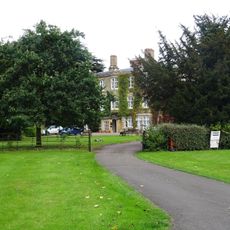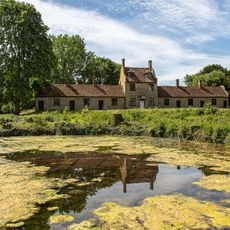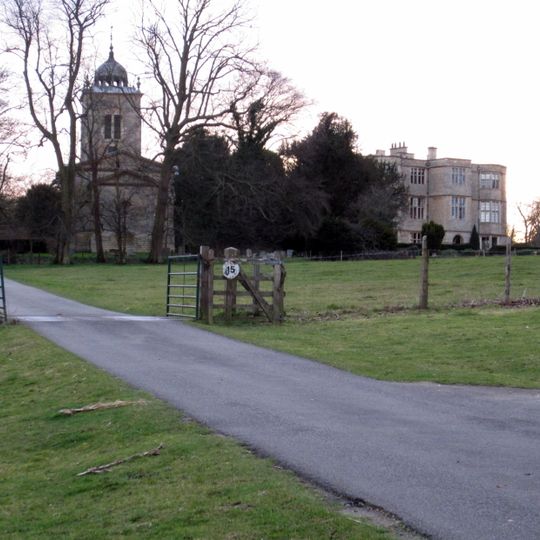
Gayhurst House, English country house in Gayhurst, England.
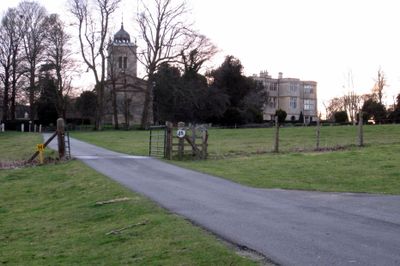
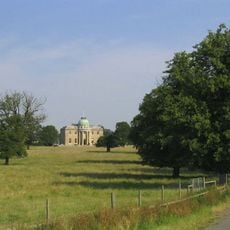
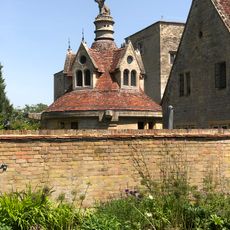
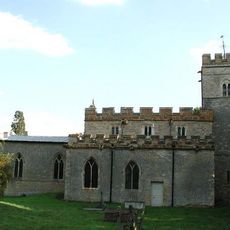
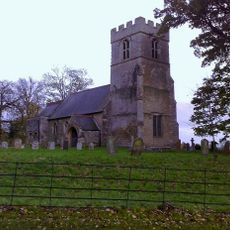
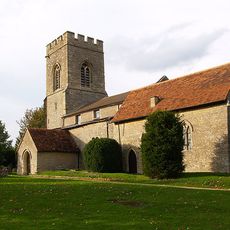
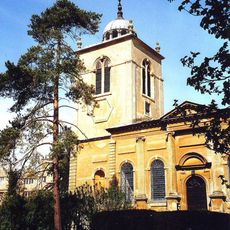
Gayhurst House is a three-story limestone mansion with seven bays featuring projecting wings and a columned entrance porch. The building was later divided into residential flats, though its exterior stone construction and classical proportions remain unchanged.
Sir Everard Digby completed the expansion of the house before his execution in 1606 for his role in the Gunpowder Plot. The estate subsequently remained in his family's hands and continued as a significant country residence for centuries.
The interior displays French and English Renaissance patterns with ornate fireplace surrounds created by sculptor Thomas Nicholls during the Victorian period. These carved details remain visible in the rooms that are still accessible today.
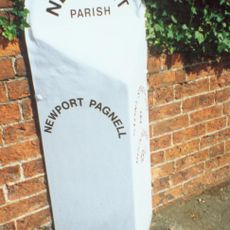
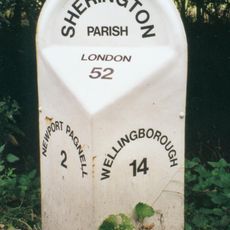
The house is situated near Newport Pagnell, roughly five miles north of Milton Keynes town center. It is now a private residential property with exterior viewing possible, but access to the interior is not available to the general public.
During World War II, the house served as a secret Bombe outstation for Bletchley Park, housing machines that decoded German military messages. This wartime role remained hidden from public knowledge until well after the conflict ended.
The community of curious travelers
AroundUs brings together thousands of curated places, local tips, and hidden gems, enriched daily by 92,193 contributors worldwide.