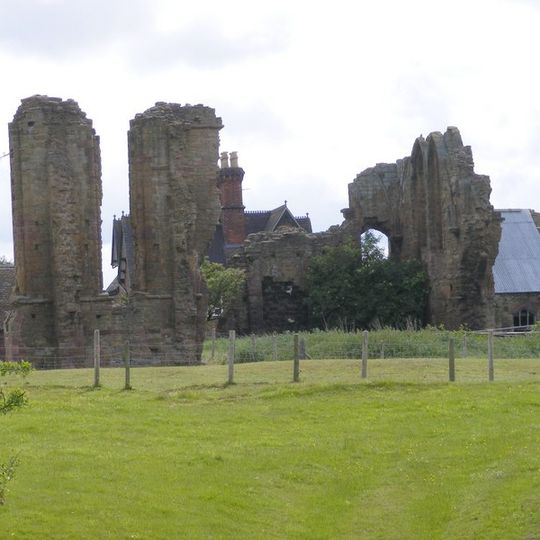
Halesowen Abbey, 13th-century Premonstratensian abbey ruins in Halesowen, England
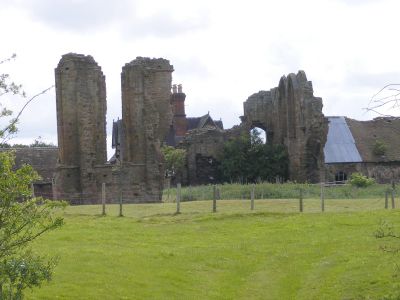
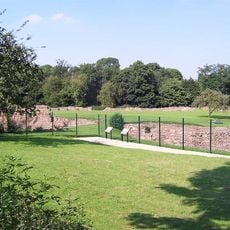
Halesowen Abbey is a ruined monastery from the 13th century located in Halesowen, in the West Midlands of England, with sections of red sandstone walls still standing across the grounds. The remains visible today include parts of the choir, south transept, east end, and south aisle of the original church.
The abbey was founded in 1218, after King John granted the estate of Hales to Peter des Roches, Bishop of Winchester, four years earlier. That royal gift set in motion the building of a Premonstratensian community that would develop on this site over the following centuries.
The site sat along the route that pilgrims followed to venerate Saint Kenelm, an Anglo-Saxon boy king said to have been murdered nearby. Visitors walking through the ruins today can still sense how central this place once was to local religious life.
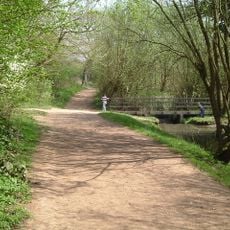
The ruins are reached by a footpath starting west of the Black Horse pub on the A456, and visitors need to cross a stile to get onto the site. The ground is uneven and open to the elements, so sturdy footwear is a good idea.
Stones and timber from the original buildings were salvaged and reused at the nearby Manor Farm after the monastery was abandoned. The north barn at that farm still contains medieval material taken directly from the abbey.
The community of curious travelers
AroundUs brings together thousands of curated places, local tips, and hidden gems, enriched daily by 92,097 contributors worldwide.