Huntingdon Castle, Motte-and-bailey castle in Huntingdon, England.
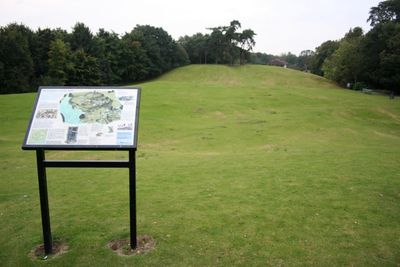
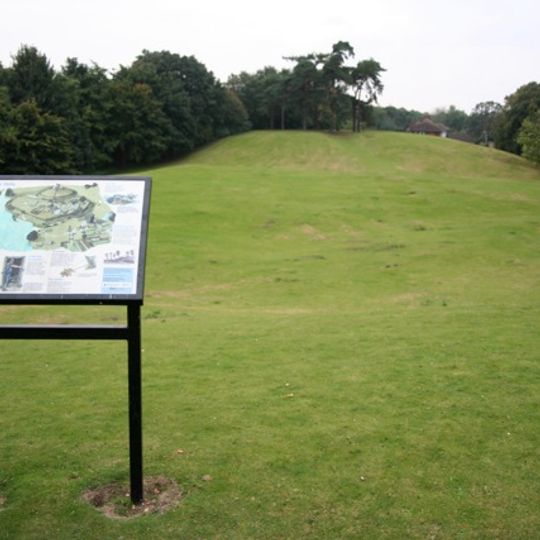
Huntingdon Castle is a motte-and-bailey fortification in Huntingdon, Cambridgeshire, featuring an earthen mound with a wooden tower platform and an enclosed courtyard defended by earthwork banks and wooden palisades. The surviving earthworks retain the typical form of this early type of Norman fortification.
Built in 1068 for William the Conqueror, the castle faced several sieges until Henry II ordered its dismantling during the later 12th century. This marked the end of its period as an active military stronghold.
The site reflects early Norman approaches to military control, showing how invaders adapted their building techniques to English geography and available materials. You can see the practical choices defenders made when planning wooden structures on earthen mounds.
The earthworks are open to visitors wishing to examine medieval fortification techniques, and you can walk around the structure from multiple vantage points. The location sits in flat terrain, making the sightlines and defensive features of the fortification clearly visible.
During the Civil War, the site was refortified and later converted into a county jail, with a windmill eventually built on the mound. This repurposing demonstrates how strategic locations were reused for different functions over centuries.
The community of curious travelers
AroundUs brings together thousands of curated places, local tips, and hidden gems, enriched daily by 92,839 contributors worldwide.