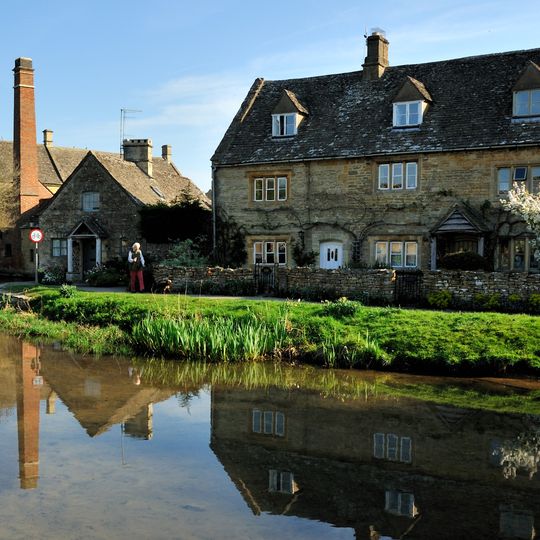
Lower Slaughter, village and civil parish in Gloucestershire, United Kingdom
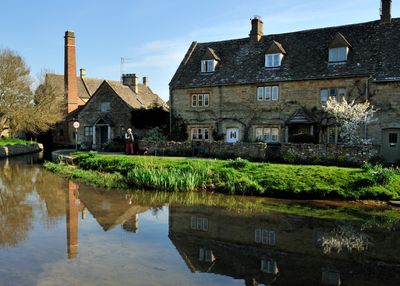
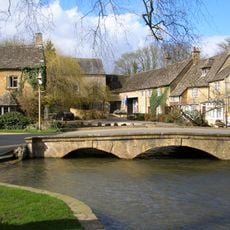
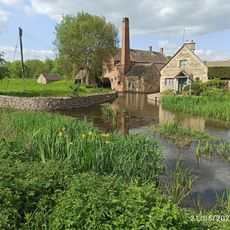
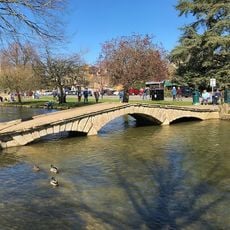
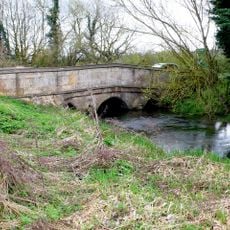
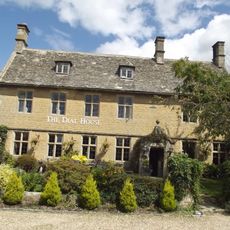
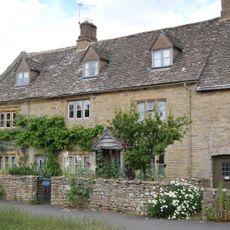
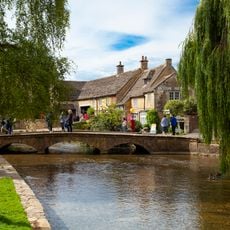
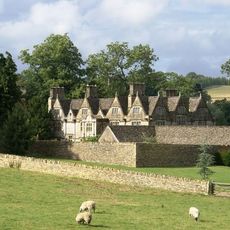
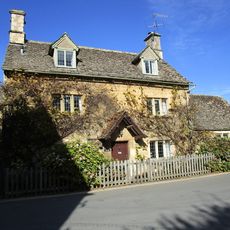
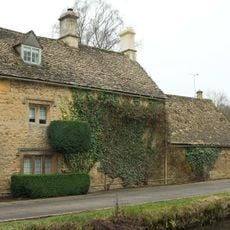
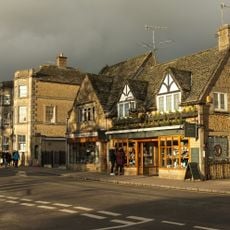
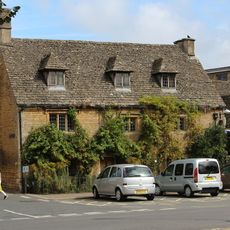
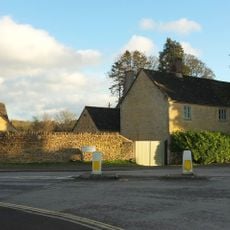
Lower Slaughter is a small village in the Cotswolds beside the River Eye, made up of stone cottages with a warm, honey-colored tone that reflects the local building tradition. The village is connected by small stone bridges and can be walked through in about 30 minutes, with most houses dating from the 16th and 17th centuries and built from traditional Cotswold stone.
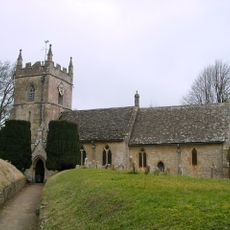
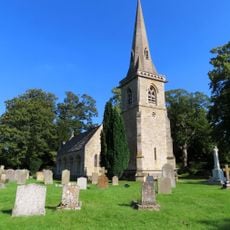
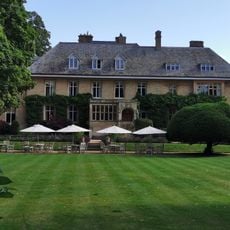
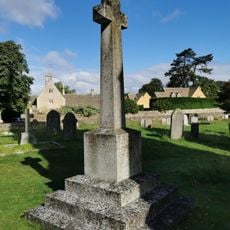
The village was recorded in the Domesday Book in 1086 as Scolstre, though the area was likely settled during the Iron Age. St. Mary's Church dates from the 13th century, while most houses visible today were built between the 16th and 17th centuries, and no new structures have been added since 1906.
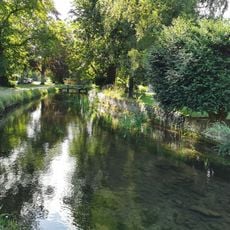
The name comes from an old English word meaning swampy or wet place, reflecting the landscape rather than anything dark. Visitors and locals gather naturally around the river and bridges, where the water and stone buildings create informal gathering spaces throughout the village.
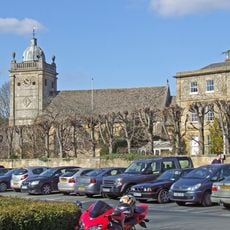
The village is best reached by car via the A429 and has parking near the inn, though it is easily accessible on foot from nearby villages like Bourton-on-the-Water. Spring and early summer from April to June offer mild weather and smaller crowds, while colder months can be cozy with warm drinks after a walk outside.
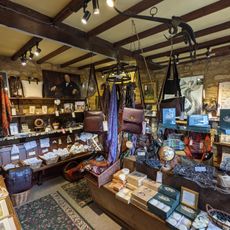
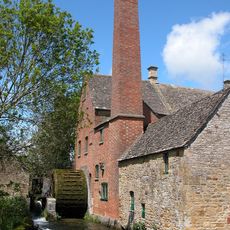
The Old Mill was mentioned in the 1086 Domesday Book and ground grain until the 1950s before becoming a museum and tea room, with its red-brick tower standing out from the other stone buildings. The structure tells a story of craft and change through its architectural transformation across centuries.
The community of curious travelers
AroundUs brings together thousands of curated places, local tips, and hidden gems, enriched daily by 60,000 contributors worldwide.