Lymington River, Protected waterway in Hampshire, England.
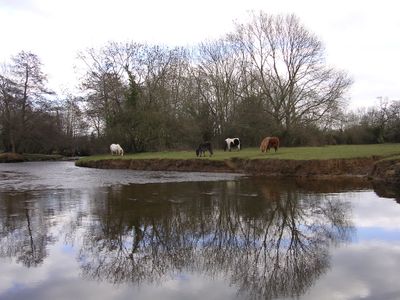
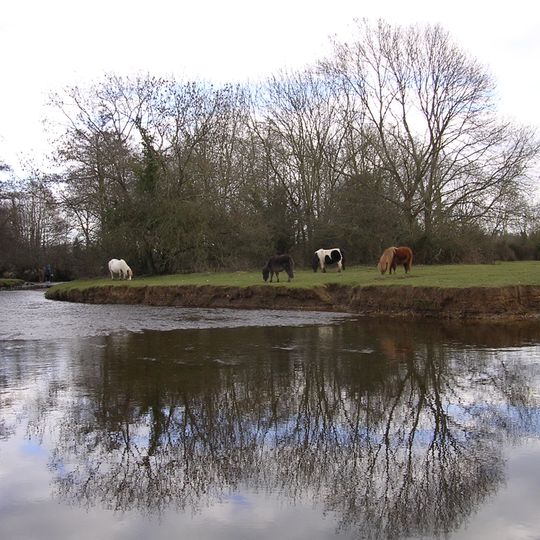
The Lymington River is a river in Hampshire that runs through the New Forest and empties into the Solent on England's south coast. It passes through a mix of woodland, farmland, and saltmarsh before reaching the sea.
The river was used to power mills during the medieval period, and a number of weirs and bridges were built along its course that changed how the water moved. The town of Lymington grew at its mouth as a salt trading and later a boating centre.
The river draws birdwatchers to its banks, where wading birds and wildfowl are commonly seen feeding along the water's edge. Near the estuary, the transition between freshwater and saltmarsh gives the place a shifting, in-between quality that feels different depending on the tide.
Footpaths run alongside much of the river and are well marked near Lymington, making it easy to follow the water on foot. Parts of the bank can become wet or flooded at high tide, so it is worth checking the tides before heading out.
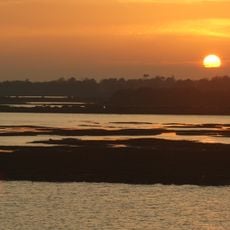
The river holds a designation as a Site of Special Scientific Interest, which legally protects certain stretches from being altered or disturbed. This status was granted largely because of the rare plant communities found in the saltmarshes near its mouth.
The community of curious travelers
AroundUs brings together thousands of curated places, local tips, and hidden gems, enriched daily by 60,000 contributors worldwide.