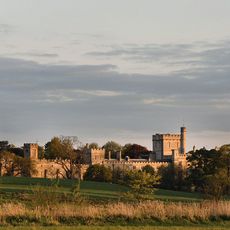
Mow Cop, village in United Kingdom split between Cheshire and Staffordshire
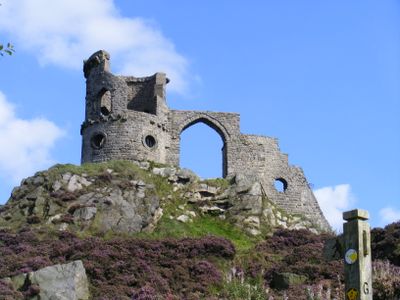
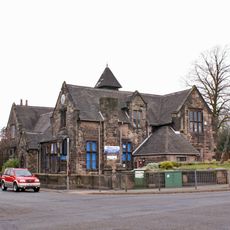
Mow Cop is a village perched on a gritstone ridge at the edge of the southern Pennines. The terrain is rocky and open, with houses scattered along the hilltop, and offers far-reaching views extending to the Peak District and on clear days to distant Manchester.
The site served as a stone-working area from the Iron Age onward, with evidence of quarrying and tool-making activities. In the early 1800s, it became a spiritual center for early Methodism, particularly after a major outdoor gathering in 1807 that helped launch the movement and left lasting local impact.
The name Mow Cop likely derives from old words meaning "heap-hill" or mound. The village holds deep ties to early Methodism, with outdoor gatherings here in the early 1800s becoming formative moments for the movement and shaping the community's character.
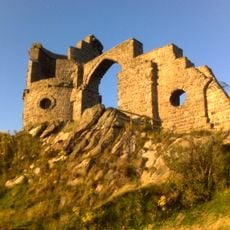
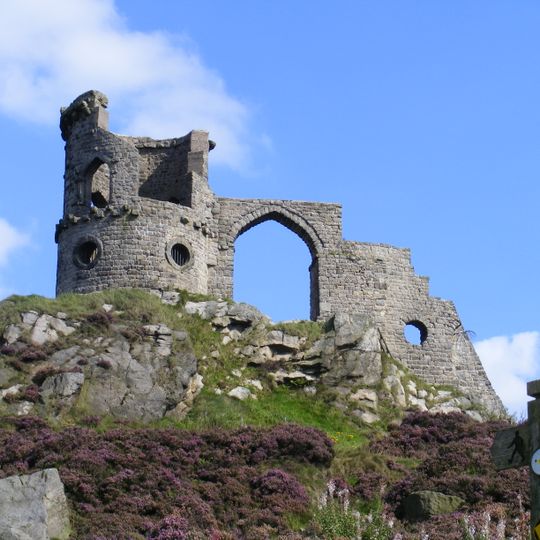
Most visitors park at the base and follow marked trails climbing steadily uphill toward the summit ruins and the Old Man stone formation. Bring sturdy footwear and check weather conditions, as the ground is rocky and the exposed hilltop can be windy and uneven.
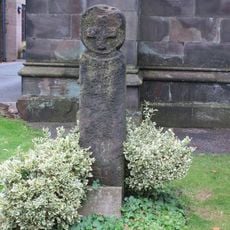
A notable stone called the Old Man O'Mow has been venerated locally for generations as an ancient cairn and has inspired children's books. On clear days, visitors standing at the summit can spot the Jodrell Bank radio telescope dishes far in the distance, a glimpse of the region's scientific heritage.
The community of curious travelers
AroundUs brings together thousands of curated places, local tips, and hidden gems, enriched daily by 92,069 contributors worldwide.