RAF Cottesmore, Royal Air Force station
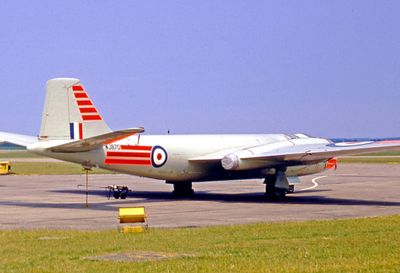
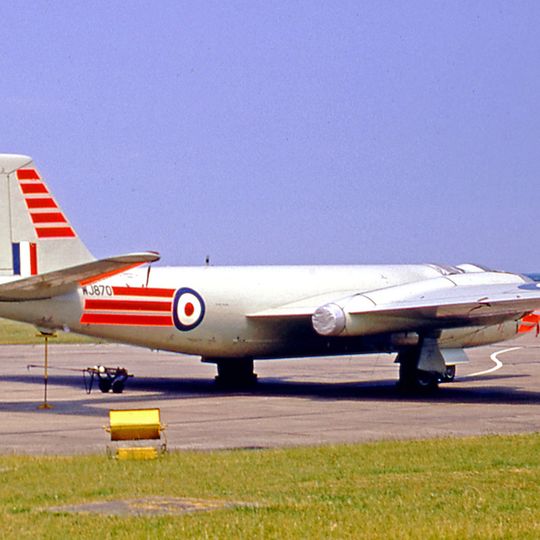
RAF Cottesmore is an air base in Rutland featuring runways over 2,700 meters long and multiple hangars that accommodated various aircraft types. The station was used for training and operations with bombers, transport planes, and other aircraft throughout its active years.
Construction began in 1935 amid growing tensions in Europe, and the airfield opened officially in March 1938 just before the Second World War. After returning to RAF control following the war, the base played a key role in Britain's nuclear deterrent strategy during the Cold War with V-bombers such as the Victor and Vulcan.
The base was connected to the local hunting heritage, which is reflected in its emblem featuring a hunting horn that represents the foxhunting traditions of the region. This symbol tied the military station to the customs and identity of the surrounding countryside.
The base sits between two villages in Rutland and is now limited in public access as it operates as Kendrew Barracks for army units. The original infrastructure such as hangars and runways remains visible, offering insight into the facilities of an active airfield.
A woman pilot completed her Tornado training here in the 1980s, marking a milestone in military aviation training. The airfield also hosted international air shows such as the Royal International Air Tattoo, where aircraft from many countries were displayed.
The community of curious travelers
AroundUs brings together thousands of curated places, local tips, and hidden gems, enriched daily by 60,000 contributors worldwide.