Swastika Stone, Prehistoric petroglyph in Ilkley, England
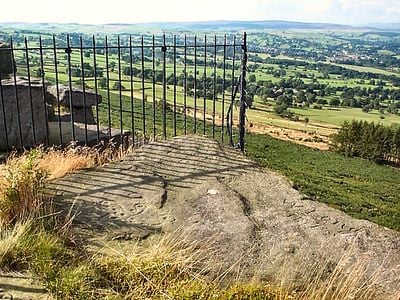
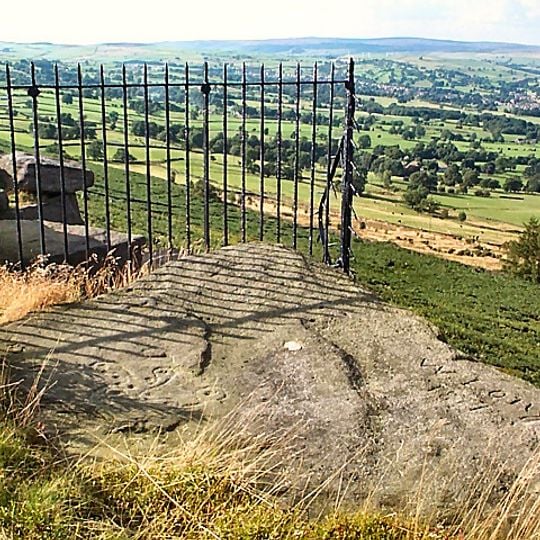
The Swastika Stone is a prehistoric carving on Ilkley Moor featuring a geometric pattern engraved into a natural rock surface. The design shows four curved arms radiating from a central square, created by carving directly into the stone.
The stone was carved during the Bronze Age between 1800 and 600 BCE, representing early prehistoric art in Yorkshire. It belongs to a group of similar carvings found across northern England, showing that ancient communities shared artistic traditions.
The name comes from the carved geometric pattern with four curved arms, which resembles symbols found across ancient cultures. You can see how this design connects to similar markings found elsewhere in Britain and reflects early artistic expression from communities on the moor.
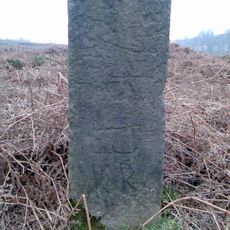
The stone is accessible via a marked path from Hangingstone Road, with a Victorian copy placed nearby for reference. The moor can be windy and wet, so wear appropriate clothing and allow time for a gentle walk to reach it.
A metal railing installed during the Victorian era surrounds the original carving to protect it from damage. This protective structure lets you view the prehistoric design clearly without risking contact with the ancient surface.
The community of curious travelers
AroundUs brings together thousands of curated places, local tips, and hidden gems, enriched daily by 91,726 contributors worldwide.