Stonehenge Archer, Bronze Age burial discovery in Stonehenge, United Kingdom.
The Stonehenge Archer is a Bronze Age male skeleton found in the outer ditch with stone wrist guards and flint arrowheads placed near the remains. The skeletal material and associated objects are now housed at Salisbury Museum for study and preservation.
The skeleton was excavated in 1978 from a period around 2300 BCE when Stonehenge was undergoing significant changes. This find helped archaeologists learn more about how people lived and used this site during that ancient era.
The inclusion of archery equipment with the burial shows that hunting and combat skills held high status in Bronze Age society. Such grave goods reveal how people valued practical abilities needed for survival and defense.
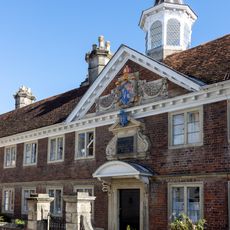
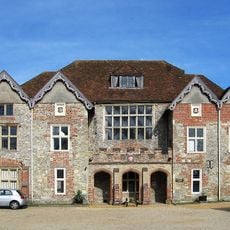
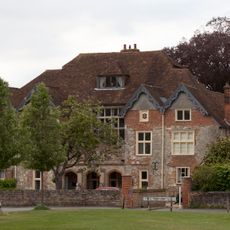
The remains and artifacts are on display at Salisbury Museum near Stonehenge, preserved in controlled conditions for long-term study. Visitors can view the exhibition to see firsthand what archaeological finds from this period look like.
Marks and embedded points in the bones suggest this person experienced a violent death in conflict. Such direct evidence of ancient fighting is rare in archaeological finds and offers insight into a less visible side of Bronze Age life.
The community of curious travelers
AroundUs brings together thousands of curated places, local tips, and hidden gems, enriched daily by 60,000 contributors worldwide.