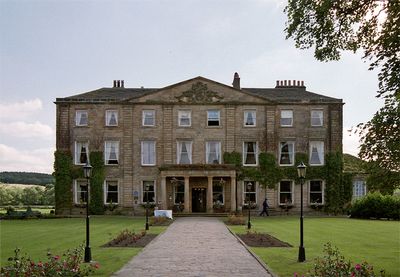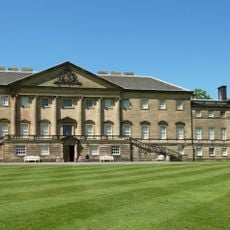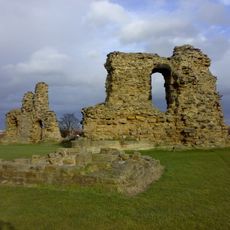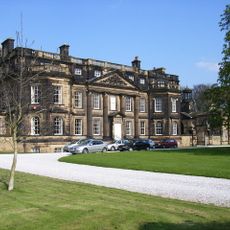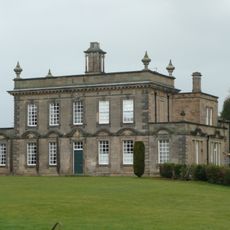
Walton Hall, Grade II* listed mansion in Walton, West Yorkshire, England
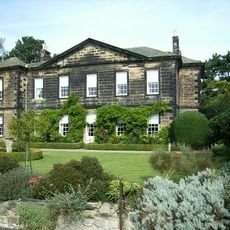
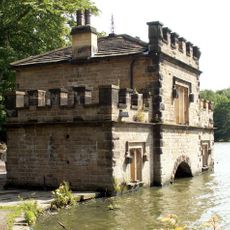
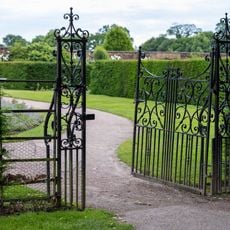
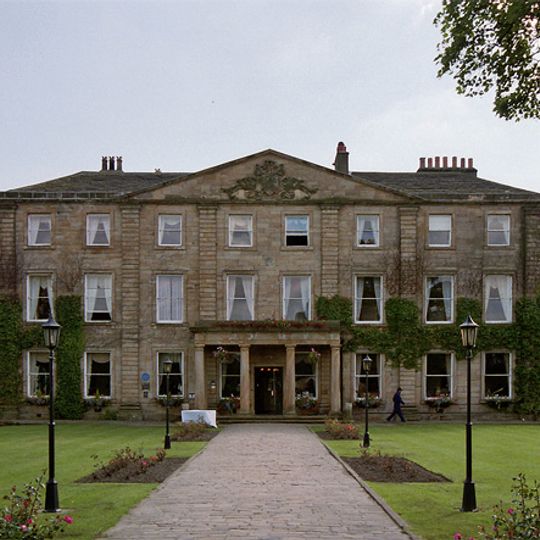
Walton Hall is a Palladian-style mansion built in 1767, standing on an island within a lake that spans approximately 26 acres. The house is surrounded by ancient woodland and expansive parkland, which form the backdrop of the estate.
Charles Waterton, a naturalist and explorer, established the first wildlife and nature reserve in the world at his family estate during the 1820s. His pioneering work with bird conservation shaped the early history of nature preservation.
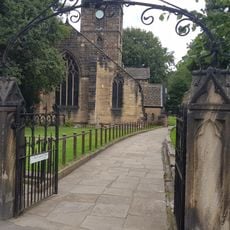
The estate reflects its Anglo-Saxon roots mentioned in the Domesday Book, connecting medieval history with its present role as a hotel and leisure destination. Visitors experience how this place has been shaped by different periods and purposes over time.
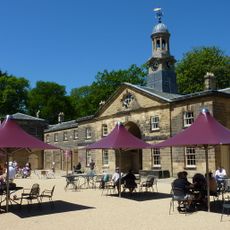
The estate now functions as part of Waterton Park Hotel, providing lodging and access to swimming facilities, thermal suites, and spa services. Visitors should plan their visit around the availability of guided tours and hotel activities.
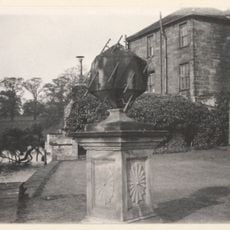
A world sundial created in 1813 by George Boulby still stands on the grounds, allowing visitors to determine the time across different cities worldwide. This unusual instrument shows how naturalists and estate owners valued both beauty and practicality in their landscape designs.
The community of curious travelers
AroundUs brings together thousands of curated places, local tips, and hidden gems, enriched daily by 90,880 contributors worldwide.