Weald Clay, Geological formation in South East England.
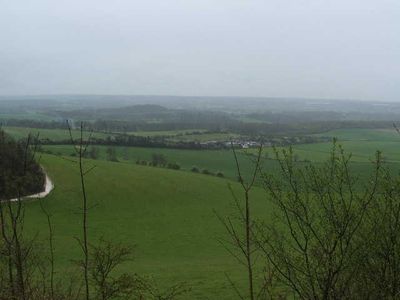
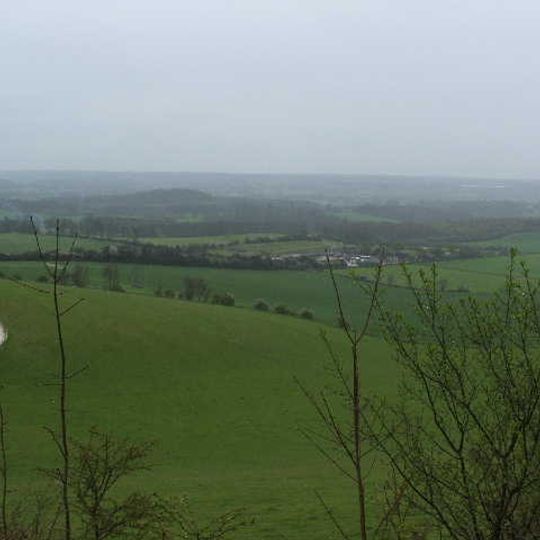
Weald Clay is a geological layer made of mudstone, shale, and siltstone that lies between the North Downs and South Downs in South East England. The formation creates distinctive slopes and valleys in the landscape where these soft rocks have weathered over time.
This layer formed in shallow seas and river deltas during the Early Cretaceous period, roughly 136 to 125 million years ago. Tectonic uplift later raised these deposits above sea level, where they have been shaped by erosion ever since.
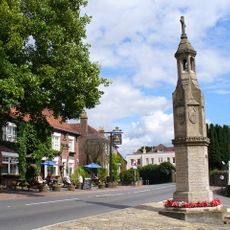
Clay deposits from this formation have supplied local brick and tile makers for centuries, shaping how buildings in the region were constructed. This link between the earth below and the buildings above remains visible in the older structures throughout the Weald.
The best way to see this formation is at exposed sites like quarries and coastal cliffs scattered across the Weald region. Visitors should wear sturdy shoes and check local conditions, as the soft clay becomes slippery after rain.
The clay displays a striking color shift: freshly exposed deposits appear blue-grey, but turn yellow-orange as they weather and oxidize. This natural transformation is visible in many old brick buildings across the region that used clay from these deposits.
The community of curious travelers
AroundUs brings together thousands of curated places, local tips, and hidden gems, enriched daily by 92,025 contributors worldwide.