Walberswick, village in Suffolk, England, UK
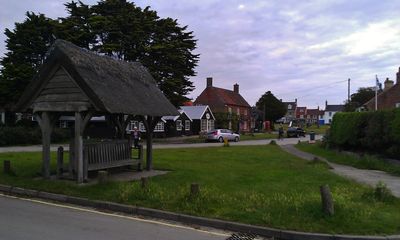
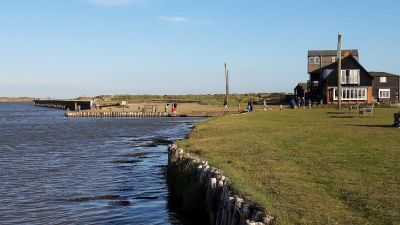
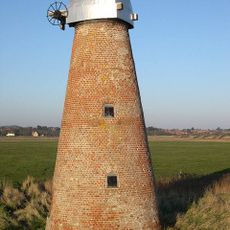
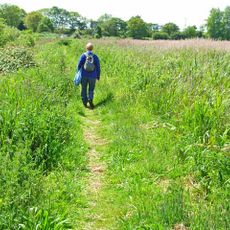
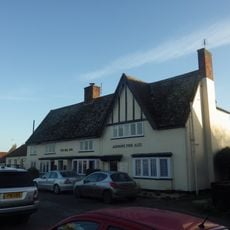
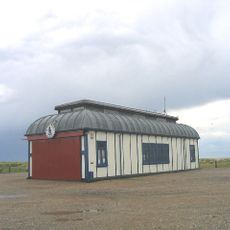
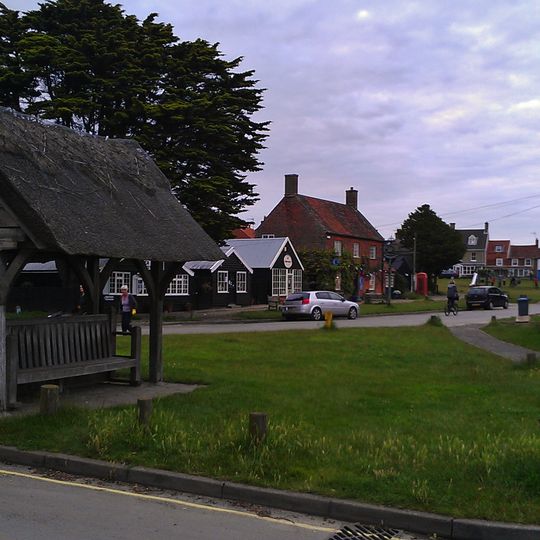
Walberswick is a small village on the Suffolk coast at the mouth of the River Blyth, looking out onto the North Sea. It has a beach of sand and shingle backed by dunes, along with old cottages, a few shops, two pubs, and an art gallery in its center.
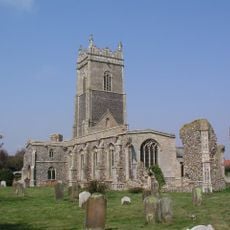
The village was once an important trading port selling cheese, bacon, corn, wood, and fish before shifting land patterns caused nearby ports to disappear. St. Andrew's Church dates to the 15th century and its ruins reveal the village's former prosperity, while Second World War defenses including pillboxes and landmines were built to protect against invasion.
The name Walberswick comes from an ancient person called Waldbert or Walhbert and the word 'wyc', meaning shelter or harbor. The village has drawn artists for generations, particularly in the late 1800s and early 1900s, when painters like Philip Wilson Steer and Charles Rennie Mackintosh found inspiration in its quiet landscape.
The village is easily reached by car or bike, with bus stops nearby and train stations at Darsham and Saxmundham within reach. A small ferry service runs across the River Blyth to Southwold during summer months, and facilities including toilets and baby changing areas are located near the ferry landing along with accessibility guides for visitors.
The village hosts the British Open Crabbing Championships in August, where people of all ages compete to catch the heaviest crab, drawing visitors and adding a lively event to the summer season. The ferry service is operated by Dani Church and has been in her family for over 125 years, making the crossing between Walberswick and Southwold a special link.
The community of curious travelers
AroundUs brings together thousands of curated places, local tips, and hidden gems, enriched daily by 91,049 contributors worldwide.