Coygan Cave, Archaeological site in Laugharne, Wales.
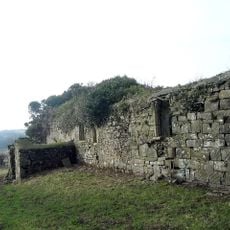
Coygan Cave is an archaeological site near Laugharne, Wales, once located within a limestone hillside approximately 1 mile from the sea. The original chambers contained stone tools and animal bone deposits, though the cave structure itself was removed by stone quarrying operations in the past.
The site was used by Neanderthals as a temporary settlement many thousands of years ago, with evidence of their stone tool production found in the deposits. Following this occupation, the cave became a den for large carnivores, particularly hyenas, which left their own mark on the site.
The site holds significance as a place where early humans made their mark on the landscape, using natural shelter to pursue their daily survival. Today, the remaining artifacts help visitors understand how ancient peoples adapted to their environment.
Since the original cave structure no longer exists due to past quarrying, the best way to experience the site is by visiting museums that hold the excavated artifacts and detailed information about the finds. The nearby village of Laugharne offers a pleasant setting for exploring the area where this significant discovery took place.
One of the few documented finds of Neanderthal handaxes in Britain was recovered from this location, making it a rare window into early human activity in the region. The later occupation by hyenas created an unusual layering of deposits that captures evidence from two distinct periods in a single geological sequence.
The community of curious travelers
AroundUs brings together thousands of curated places, local tips, and hidden gems, enriched daily by 92,729 contributors worldwide.