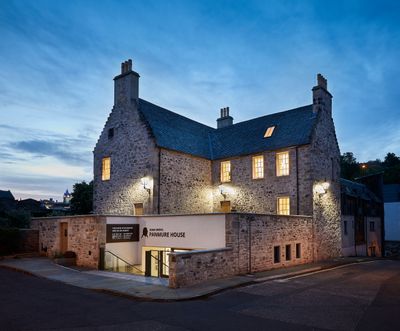
Panmure House, Category A listed building in Canongate, Edinburgh, Scotland
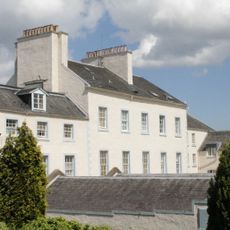
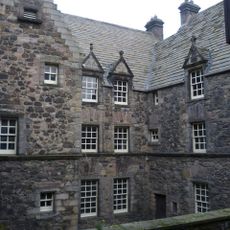
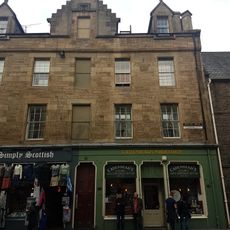
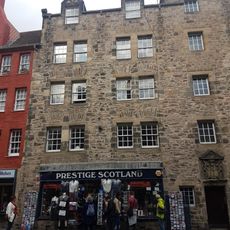
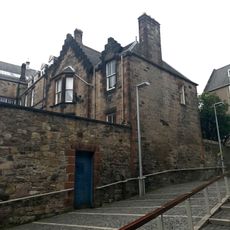
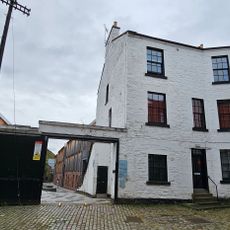
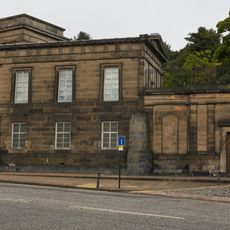
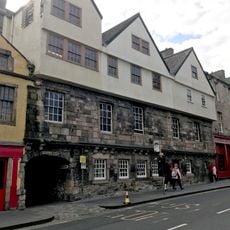
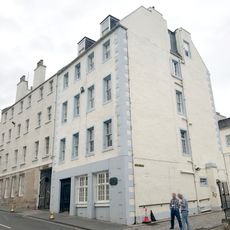
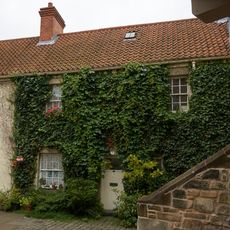
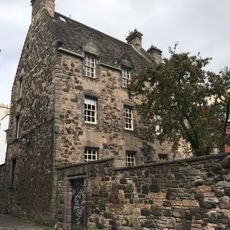
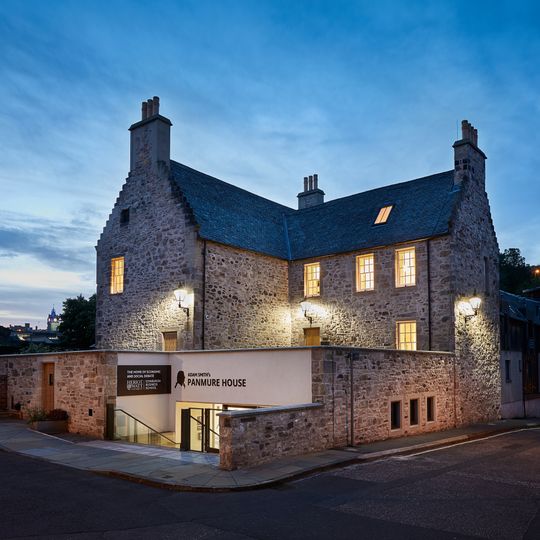
Panmure House is a three-story townhouse from the 17th century on Canongate, featuring traditional Scottish architectural elements including restored chimneys and slate roofs. The building preserves typical construction methods and design details that reflect the craftsmanship of upper-class homes from this period.
Construction took place between 1691 and 1693 for Lieutenant Colonel George Murray, establishing the building as part of Edinburgh's residential heritage for generations. The residence gained lasting prominence when economist Adam Smith lived here from 1778 until his death in 1790, linking it permanently to Scotland's economic history.
The building served as a hub for intellectual discussion during the 18th century when economic ideas were debated within its walls. Today, this connection to economic thought shapes how visitors understand the house's role in Scottish intellectual life.
The building sits near the Scottish Parliament within a UNESCO World Heritage area and is easily reached on foot from the Old Town. Regular lectures and academic events take place here, so checking in advance about visiting hours or special events is worthwhile.
Archaeological work during restoration uncovered medieval kilns and a well buried beneath the structure, revealing remnants of much older occupation. These discoveries show that the site was inhabited long before the current house was built.
The community of curious travelers
AroundUs brings together thousands of curated places, local tips, and hidden gems, enriched daily by 91,376 contributors worldwide.