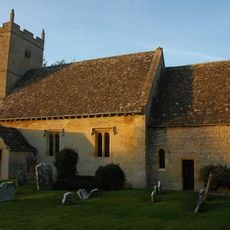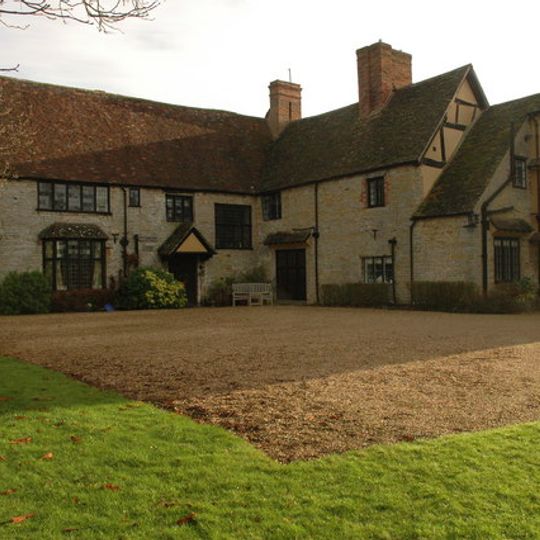
Manor House, 16th century Grade II manor house in Wickhamford, England
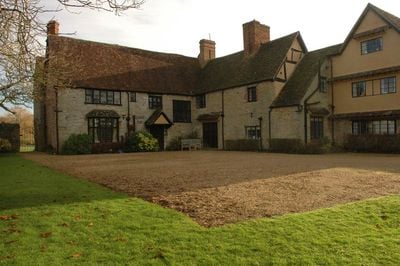
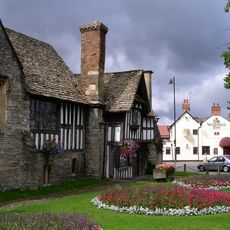
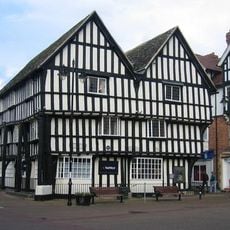
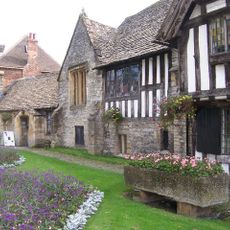
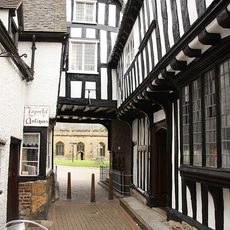
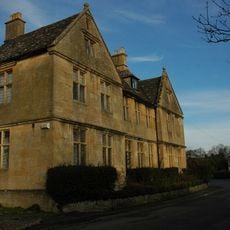
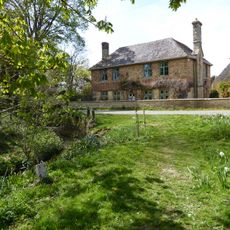
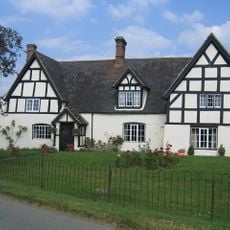
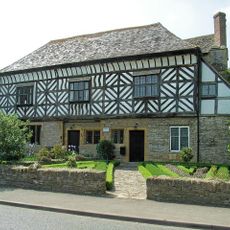
The Manor House is a 16th century building with timber framing and limestone rubble walls topped by tile roofs, featuring an irregular layout and two projecting gabled wings. The construction blends these different structural elements to create a complex and asymmetrical design.
The building began as a farming outpost for an Augustinian monastery before Elizabeth I granted it to Thomas Throckmorton in 1562. This transfer followed the dissolution of Evesham Abbey and marked the shift from religious to private ownership.
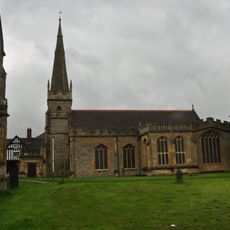
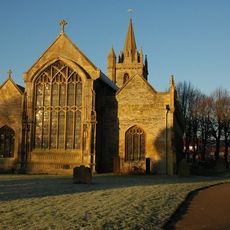
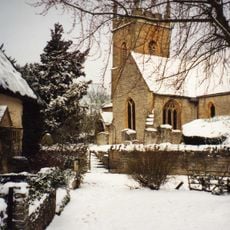
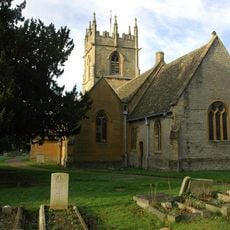
The house connects to the Washington family through Penelope Washington, whose burial in the nearby St John the Baptist church displays the family coat of arms. Visitors can trace this link to a prominent historical lineage when exploring the church and its monuments.
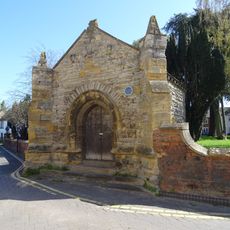
The house occupies an estate alongside a medieval fish pond that now resembles a lake, with a church and additional structures scattered across the grounds. The location works well for exploring this cluster of buildings and the surrounding landscape in one visit.
James Lees-Milne, an art historian and writer, was born here in 1908 and later recorded his childhood experiences at the house in his autobiography Another Self. His personal account offers a rare window into life at an English country house in the early 1900s.
The community of curious travelers
AroundUs brings together thousands of curated places, local tips, and hidden gems, enriched daily by 60,000 contributors worldwide.