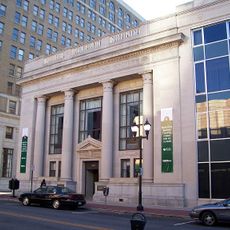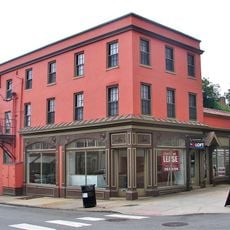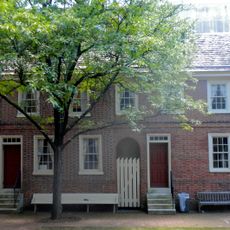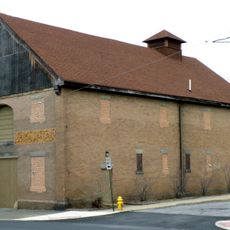
Brandywine Village Historic District, Historic district in Wilmington, United States.
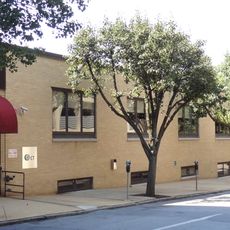
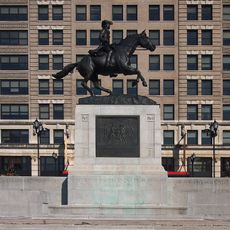
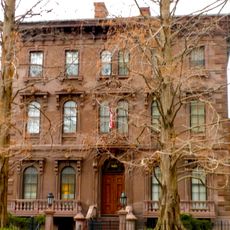
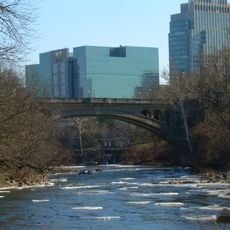
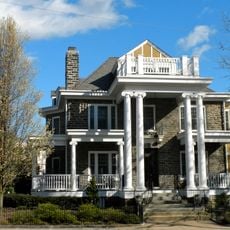
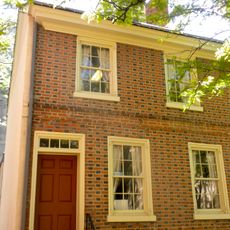
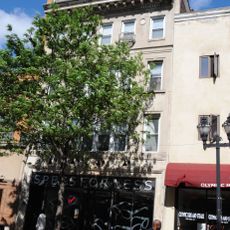
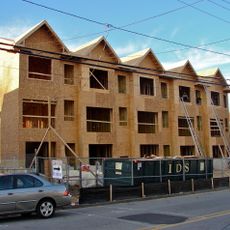
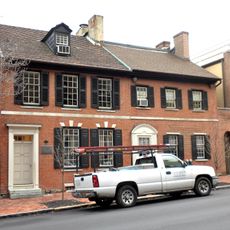
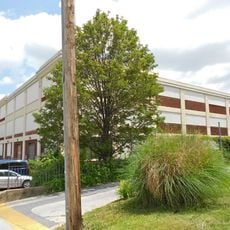
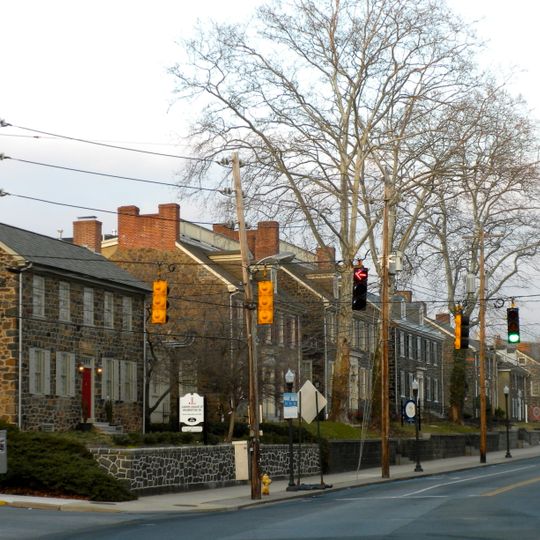
Brandywine Village Historic District is an industrial area with 12 buildings, 7 sites, and 2 structures along Brandywine Creek, where mill owners built granite houses. The area spreads across 33 acres bounded by several streets and the creek, showing how the community was laid out around its working waterfront.
In 1788, this location marked a turning point in American industry when Oliver Evans introduced the first mechanized mill. This invention brought rapid changes to the community and made it a hub of milling technology.
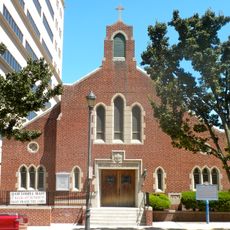
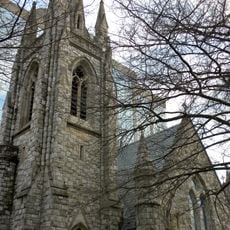
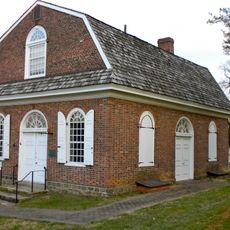
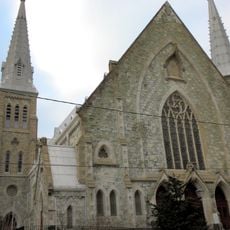
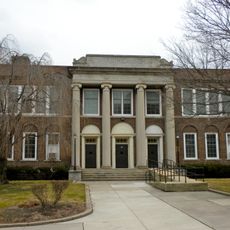
St. John's Episcopal Church and Brandywine Academy show how architecture evolved in this former milling community. These buildings reflect what mattered to people who lived and worked in this industrial settlement.
The district sits between Brandywine Creek and several main streets, making it easy to find your bearings while exploring. It is best experienced on foot to appreciate the granite buildings and how they are positioned along the waterway.
The mills along Brandywine Creek produced Brandywine Superfine flour, which was shipped to distant markets across early America. This flour made the location famous beyond its own region.
The community of curious travelers
AroundUs brings together thousands of curated places, local tips, and hidden gems, enriched daily by 92,045 contributors worldwide.