Kleve, District capital in North Rhine-Westphalia, Germany
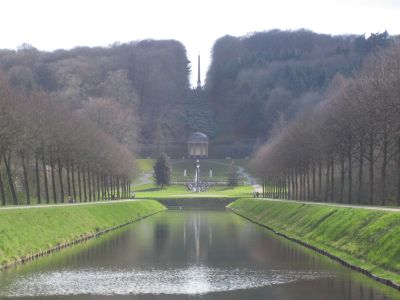
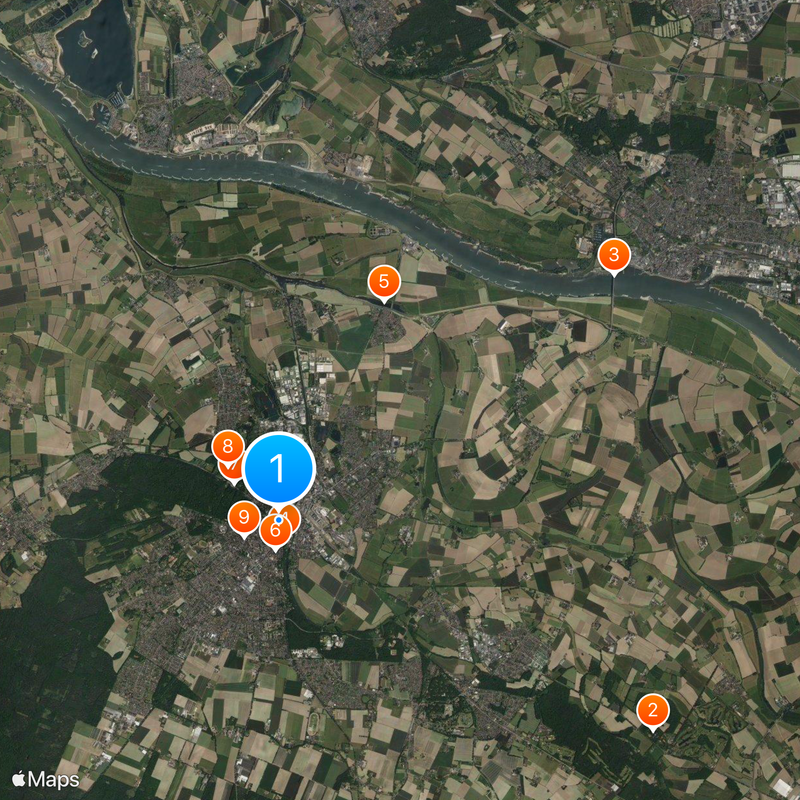
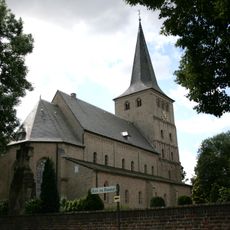
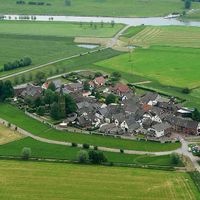
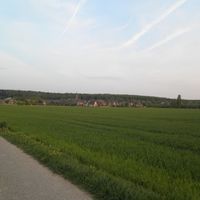
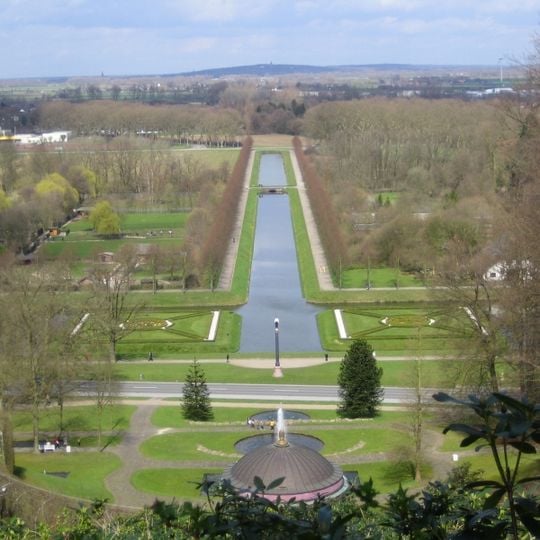
Kleve is a district capital in North Rhine-Westphalia that sits on both sides of a gentle rise above the Rhine plain near the Dutch border. The town comprises a historic core on the hill and several incorporated villages such as Materborn, Reichswalde and Rindern that scatter across fields and woodlands in the flat countryside.
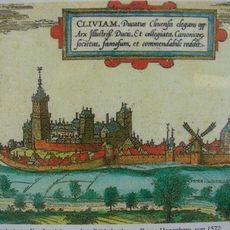
In 1242 the town received its city charter and later became capital of the Duchy of Cleves, which played an important role along the Lower Rhine during the Middle Ages. After prolonged inheritance disputes the territory passed to Brandenburg in 1614 through the Treaty of Xanten, which incorporated the town into its Prussian holdings.
The Schwanenburg Castle, with its 55-meter tower Schwanenturm, stands as the central monument, connected to the Knight of the Swan legends.
The town can be easily explored on foot, as most sights cluster around the hill with the castle and short paths connect them. Those who wish to explore the surroundings will find numerous cycling routes that reach into the Netherlands and are easy to ride through the flat landscape.
Between 1624 and 1672 the town changed occupying forces several times, first by Spanish troops and then by Dutch soldiers who repeatedly moved in during those decades. These phases of foreign control shaped the town during the Thirty Years' War and the conflicts that followed.
The community of curious travelers
AroundUs brings together thousands of curated places, local tips, and hidden gems, enriched daily by 90,852 contributors worldwide.