Lehrte, Railway town in Hanover region, Germany.
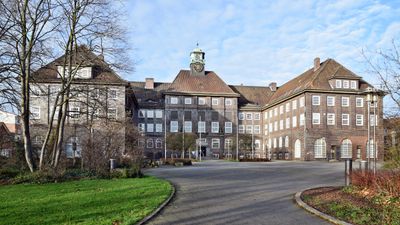
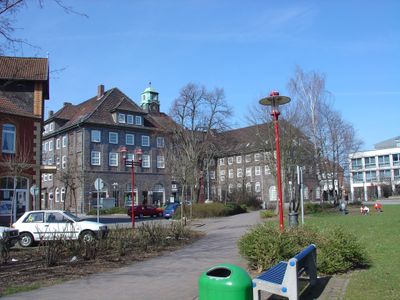
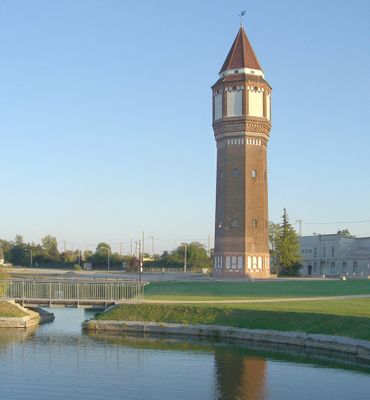
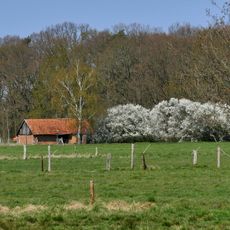
Lehrte is a town in the Hanover region of Lower Saxony that developed as a railway hub centered around its train station. The town spreads across several kilometers and combines rural areas with urban neighborhoods built around the railway infrastructure.
The town emerged as a result of the railway line built between Hanover and Brunswick in 1843, which drove its economic development. From this point forward, the place grew steadily and became an important transportation hub for the region.
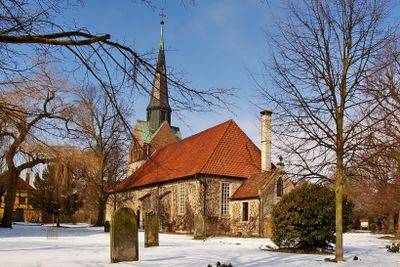
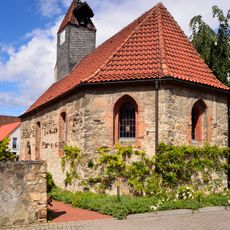
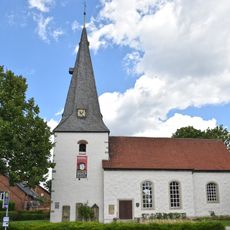
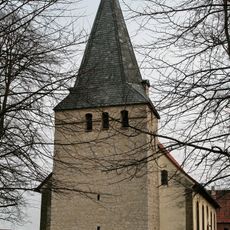
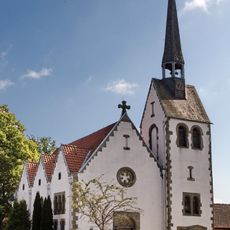
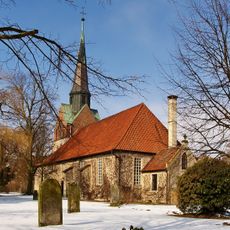
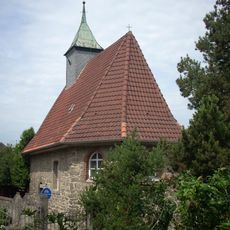
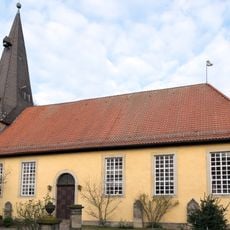
The Nikolauskirche has been at the heart of the community since the 14th century and continues to serve as a gathering place for locals. The church reflects how religious and social life evolved in this place over many generations.
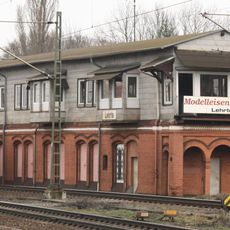
The railway station is the center of the town and connects it by train to other cities across Germany. Visitors will find cafes and shops here, providing access to everyday facilities and services.
Between 1944 and 1968, an experimental high-voltage direct current project ran between the town and the Ahlten substation, marking an early step in modern power transmission. This project tested methods that were later adopted worldwide in electrical engineering.
The community of curious travelers
AroundUs brings together thousands of curated places, local tips, and hidden gems, enriched daily by 90,742 contributors worldwide.