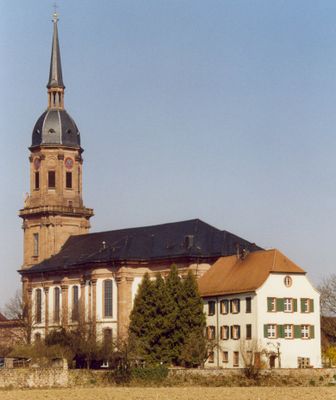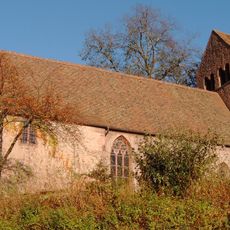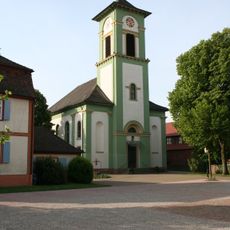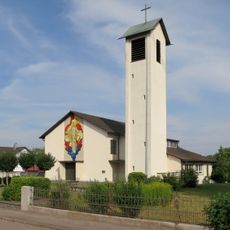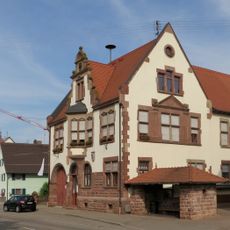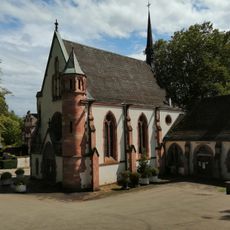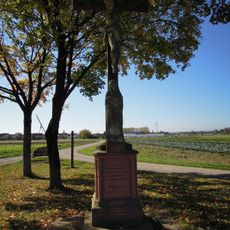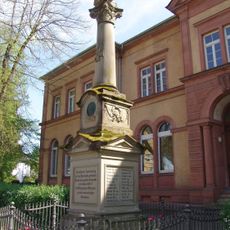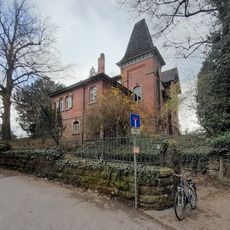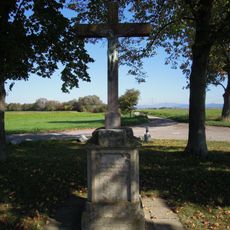
Schuttern Abbey, Benedictine monastery in Friesenheim, Germany.
Schuttern Abbey is a former Benedictine monastery in Friesenheim, in the Baden-Württemberg region of Germany, with a church that still stands today and whose lower level is open to visitors. Beneath the church floor, foundations from several building phases have been uncovered, showing how the structure was rebuilt and expanded over the centuries.
The monastery was founded in the early 7th century by an Irish monk named Offo, and it was first known as Offoniscella. In the 8th century, the community adopted the Benedictine Rule, which changed the direction of the monastery entirely.
The abbey was once a place where monks copied religious manuscripts by hand, and some of those works have survived to this day. Visitors who walk through the church can see the exposed foundations below, which show how the building changed over the centuries.
The church is open to visitors, but the lower level where the archaeological finds are displayed is dimly lit and partly underground, so sturdy footwear is a good idea. Those who want to take in the exposed foundations properly should plan to spend a fair amount of time here.
Beneath the church floor there is a medieval mosaic showing Cain and Abel, which is considered the oldest figurative floor mosaic in Germany. It was not made as wall decoration but was always intended to lie underfoot, where worshippers would walk over it.
The community of curious travelers
AroundUs brings together thousands of curated places, local tips, and hidden gems, enriched daily by 92,368 contributors worldwide.