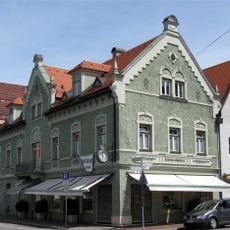
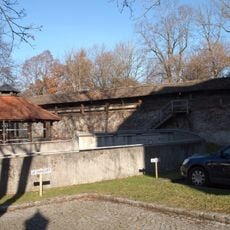
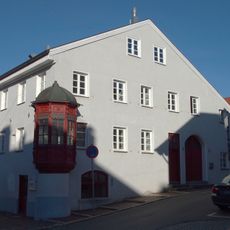
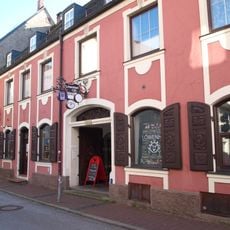
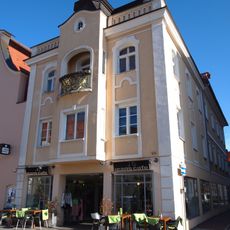
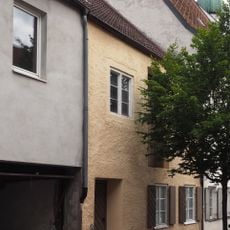
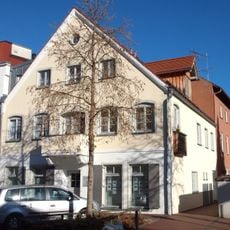
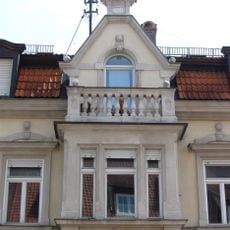
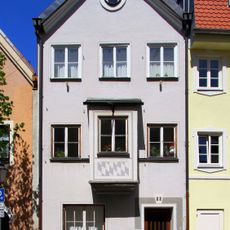
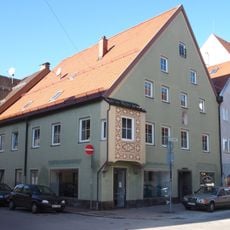
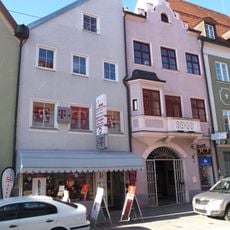
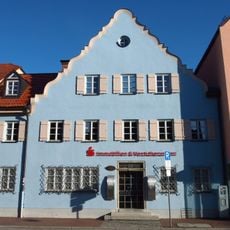
Altstadt Schongau, Medieval heritage ensemble in Schongau, Germany
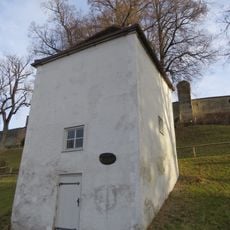
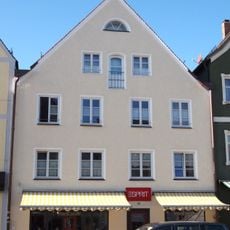
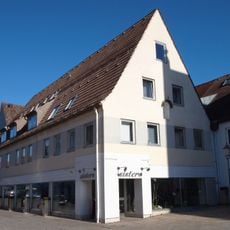
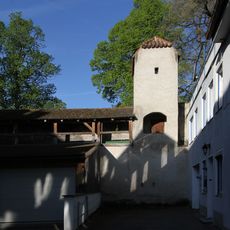
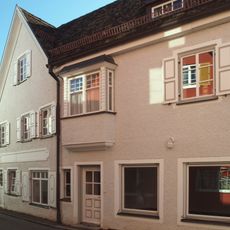
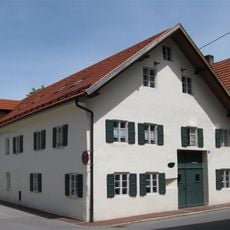
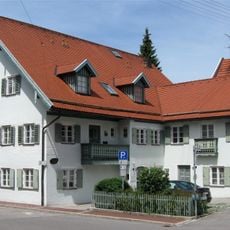
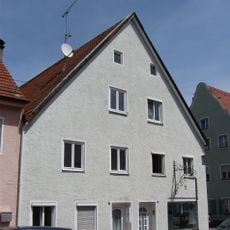
Altstadt Schongau is a preserved medieval town center surrounded by a circular wall from the 13th century that measures about 1,630 meters in length, with five remaining towers and two gateway structures. The marketplace runs through the longest section of town and was originally designed for storing goods and parking wagons rather than as a passage for traffic.
The town was founded after 1225 as a planned Staufer settlement and passed to Bavarian dukes in 1268 when the nearby settlement of Altenstadt was abandoned. This transition and transfer shaped its growth as a regional trading center during the medieval period.
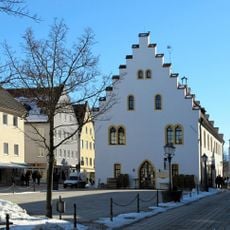
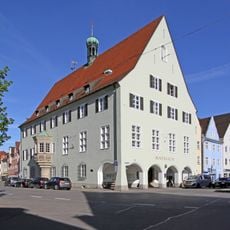
The Ballenhaus with its stepped gables shapes the town center and shows how the medieval community managed trade and governance in a single building. Such structures were where merchants stored goods and the town conducted its affairs.
The town is best explored on foot since all main areas lie within the medieval walls and are easily accessible. The narrow streets and sloped terrain make comfortable footwear advisable.
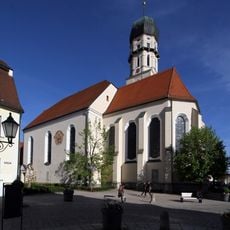
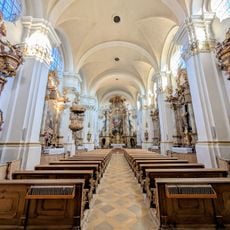
The parish church contains ceiling paintings from 1761 by artist Matthäus Günther that depict the Holy Spirit in an unusual way as a Baroque cavalier figure. This unconventional portrayal is a rare example of artistic freedom in religious Baroque art.
The community of curious travelers
AroundUs brings together thousands of curated places, local tips, and hidden gems, enriched daily by 92,591 contributors worldwide.