Hirsau, quarter of Calw, Baden-Württemberg, Germany
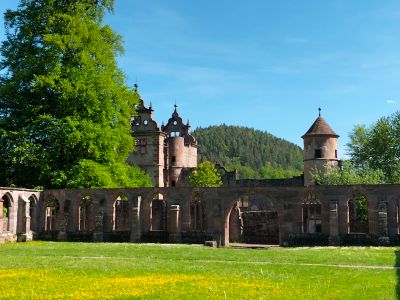
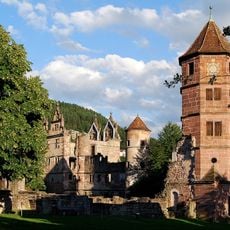
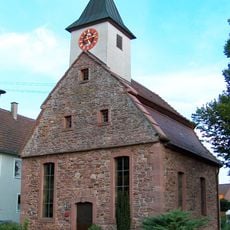
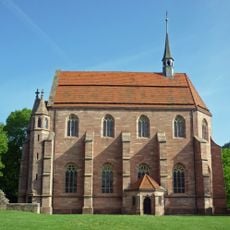
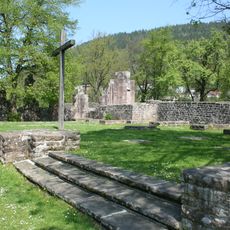
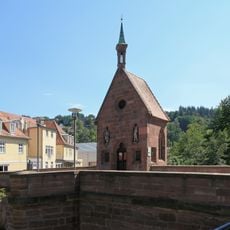
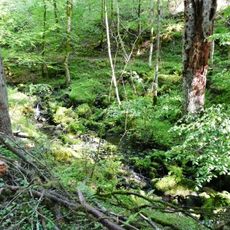
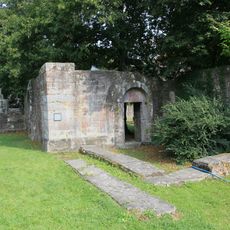
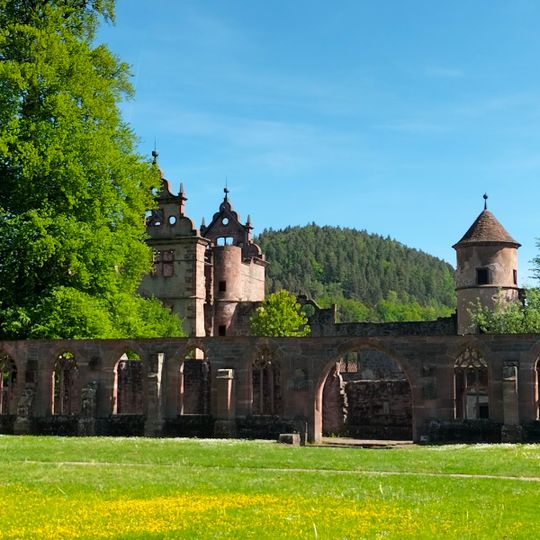
Hirsau is a small settlement in the Black Forest known for the ruins of a Benedictine monastery set among forest and ancient stone walls in a valley. The site features several architectural remains including the Owl Tower in Romanesque style and the Chapel of St. Mary, which shaped the religious and cultural identity across centuries.
The monastery was founded in the 11th century and became one of the most important religious centers in the German-speaking world. It was destroyed in 1692 during the Palatinate War of Succession, leaving only ruins as reminders of its significant past.
Hirsau served as a center for religious life and learning that shaped the region for centuries. The monks who lived here left a lasting mark on the cultural and spiritual character of the area.
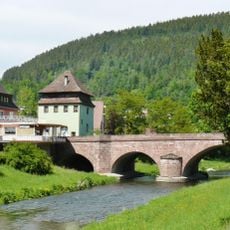
The location is easy to reach and offers a quiet setting to explore the ruins and enjoy the Nagold Valley surroundings. Wear comfortable shoes and allow time for a leisurely walk through the ancient stones and forest paths.
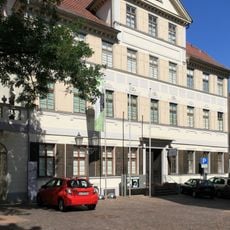
A notable treasure in the museum founded in 1991 is a panel painting fragment from around 1480 linked to the monastery's foundation and considered exceptionally valuable. This rare artwork offers insight into the artistic and religious splendor the monastery once enjoyed.
The community of curious travelers
AroundUs brings together thousands of curated places, local tips, and hidden gems, enriched daily by 92,654 contributors worldwide.