Höchstädt an der Donau, municipality of Germany
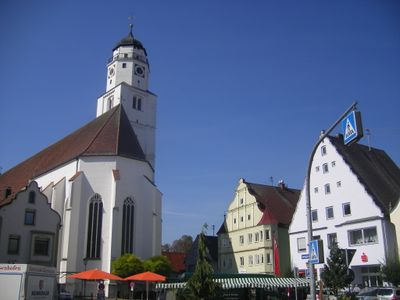
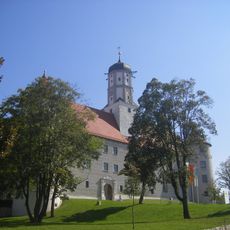
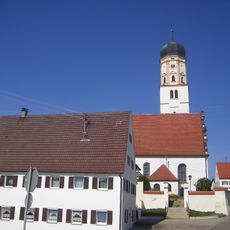
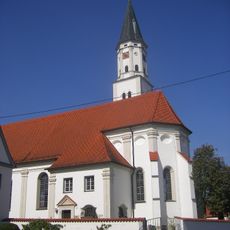
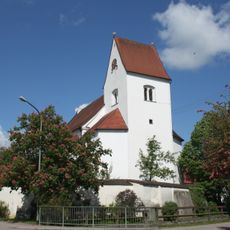
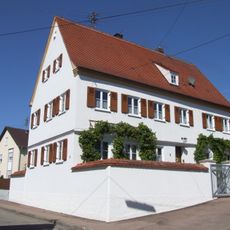
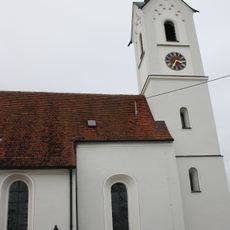
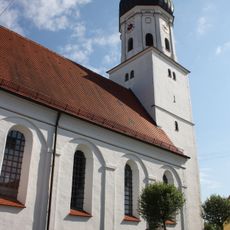
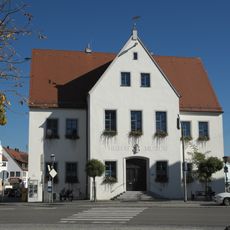
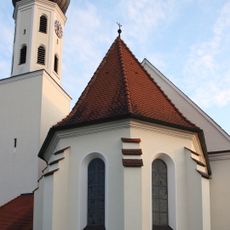
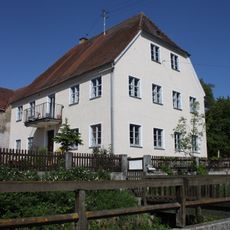
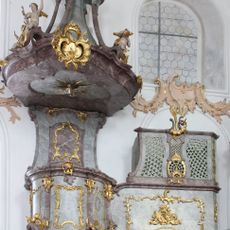
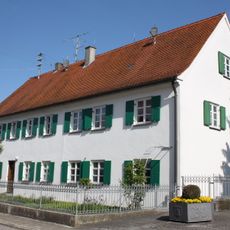
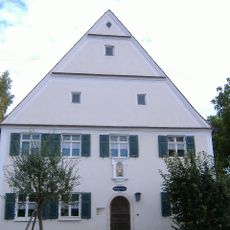
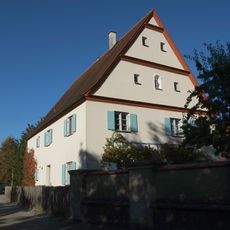
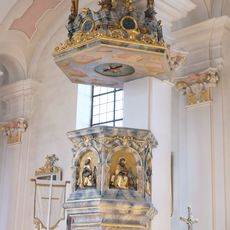
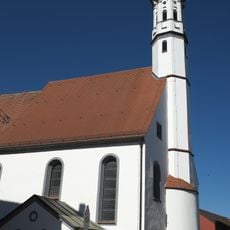
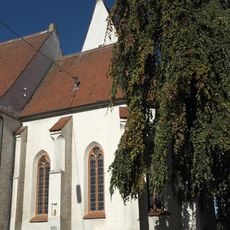
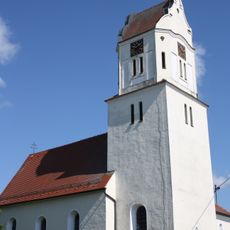
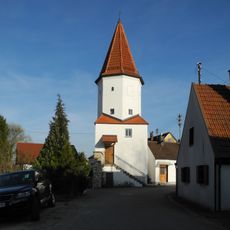
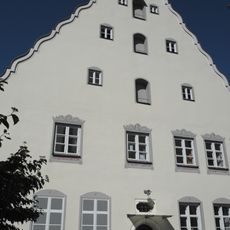
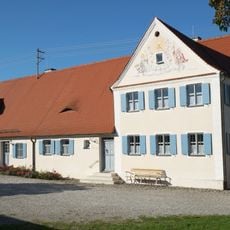
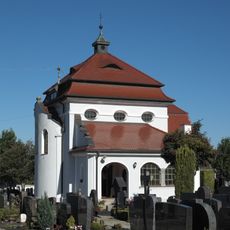
Höchstädt an der Donau is an urban municipality along a major river in southern Germany, shaped by its waterside location and surrounding flat terrain. The town blends medieval structures with modern additions and contains buildings such as a Renaissance-style castle on elevated ground and several churches that developed over generations.
The settlement has existed for about 1000 years and was first mentioned around 1081; in earlier periods the region was an important trading place under Roman rule with a temple dedicated to the god Apollo Grannus. The town experienced severe hardship from the 17th to 19th centuries through plague, wars, and invasions, before rebuilding quickly after World War Two due to minimal war damage.
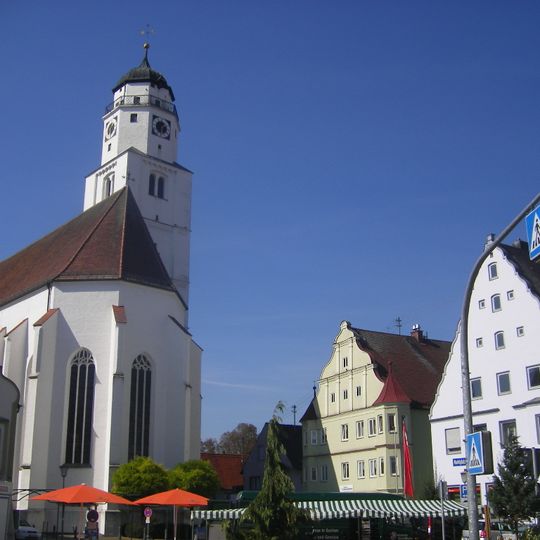
The town's name reflects its elevated position along the Danube, a geography that remains central to its identity today. The old town square in front of the parish church Mariä Himmelfahrt serves as the heart where locals gather, showing how this place has functioned as a gathering point for residents and travelers for centuries.
The town is best explored on foot; a walk along the Danube and through the old town with its narrow streets offers the best overview. Extensive bike paths connect the town with surrounding villages and the quiet countryside, making short trips or day excursions straightforward.
A major battle took place here in 1704 that influenced European power dynamics and is now documented through monuments and museum exhibitions. The castle also houses a specialized museum dedicated to Fayence pottery, a local craft practiced over centuries.
The community of curious travelers
AroundUs brings together thousands of curated places, local tips, and hidden gems, enriched daily by 91,510 contributors worldwide.