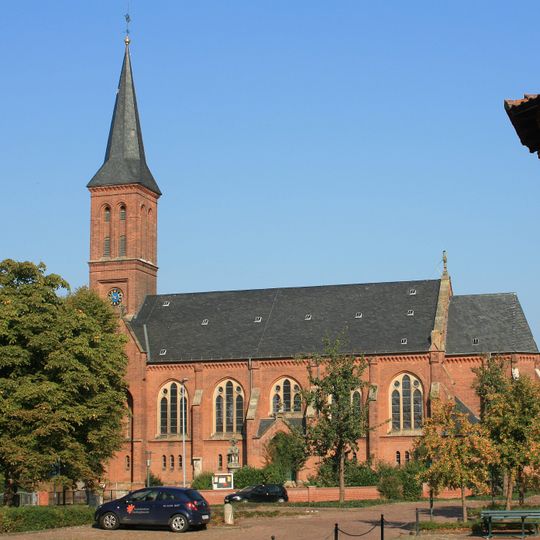
Thedinghausen, municipality of Germany
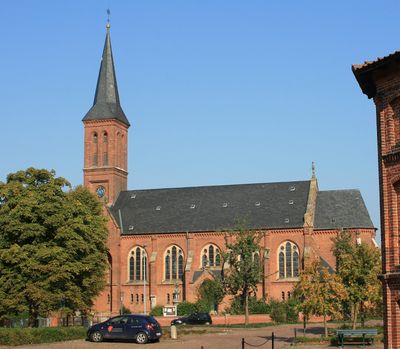
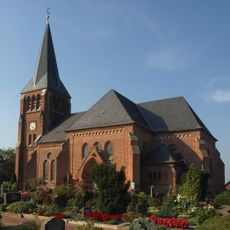
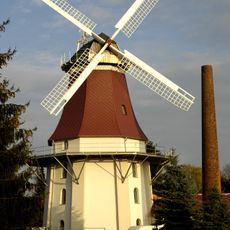
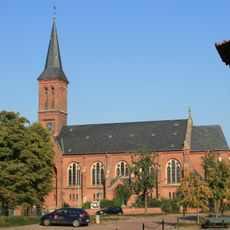
Thedinghausen is a small village in the Verden district of Lower Saxony, characterized by quiet streets, simple houses, and open fields. The center and surrounding countryside form a place where rural life moves at a leisurely pace and nature frames the settlement.
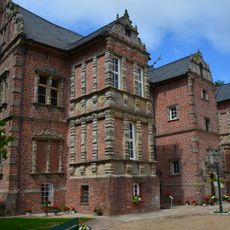
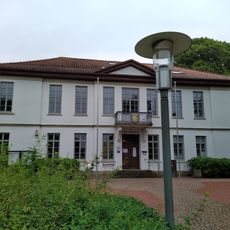
The settlement was founded in the Middle Ages and was long controlled by local nobility and the archbishop. The Erbhof, a Weser Renaissance building from the early 17th century, stands as a testament to this period and its significance in the region.
The name Thedinghausen originates from early settlement patterns in the region and reflects the area's long-established roots. Residents use public spaces and buildings for daily activities, maintaining a rhythm of community life centered on local connections and shared heritage.
The location is easily reached by car or public transportation, and offers straightforward routes for exploring on foot or by bicycle. Visitors can find practical information at a tourist office in the Erbhof and navigate the area without major obstacles.
An ancient yew tree about 400 years old grows in the Erbhof garden and is considered one of the widest publicly accessible yews in Germany. With a crown spread of about 21 meters, this tree is a rare natural wonder and protected by law.
The community of curious travelers
AroundUs brings together thousands of curated places, local tips, and hidden gems, enriched daily by 92,497 contributors worldwide.