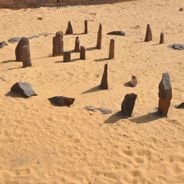
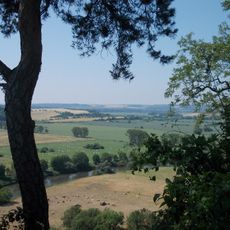
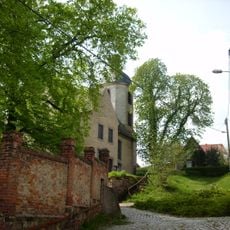
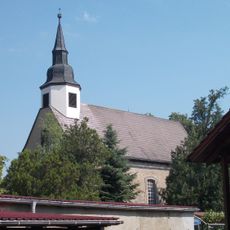
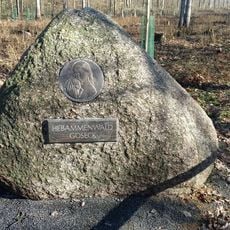
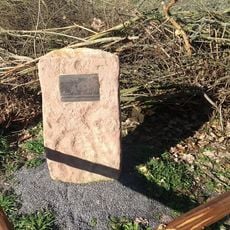
Goseck circle, Neolithic solar observatory in Goseck, Germany.
The circular enclosure features a 75-meter diameter ditch enclosed by two wooden palisade rings with three gates marking astronomical alignments.
The construction of Goseck Circle dates back to 4900 BC, making it one of the oldest known monumental structures in Central Europe.
The archaeological site contains remains of animal bones and human skeletons, indicating ceremonial practices and sacrificial rituals of Neolithic communities.
Visitors can explore the reconstructed wooden palisades throughout the year, with an information center at Goseck Castle providing detailed exhibits.
The gates of the circle align precisely with the winter and summer solstices, demonstrating the advanced astronomical knowledge of Neolithic farmers.
Location: Goseck
Inception: 49 century BCE
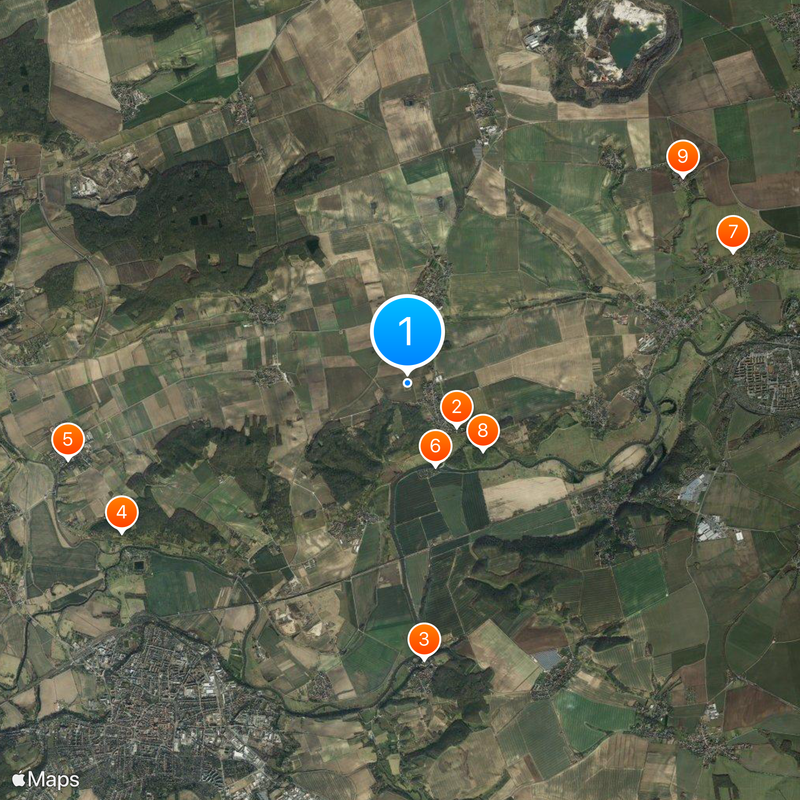
GPS coordinates: 51.19833,11.86472
Latest update: May 27, 2025 11:32
Stone circles stand among humanity's earliest architectural accomplishments, constructed by prehistoric communities across Europe and beyond over thousands of years. These circular arrangements of standing stones served multiple purposes, functioning as astronomical observatories where ancient peoples tracked celestial movements, seasonal changes, and solar events. The monuments also acted as communal gathering spaces for ceremonies, trade, and social activities. The engineering skills required to transport, raise, and position these massive stones—some weighing several tons—reveal the sophisticated organizational capabilities and technical knowledge of Neolithic and Bronze Age societies. This collection spans numerous locations throughout Europe. In England, Stonehenge features precisely arranged upright stones forming a 98-foot (30-meter) circle built between 3000 and 2000 BC, while the Avebury complex measures 1,086 feet (331 meters) across and dates to 2850 BC. Scotland hosts several significant sites, including the Callanish Stones with a central monolith standing 16 feet (4.8 meters) tall, and the Ring of Brodgar, which originally contained 60 stones encircled by a 30-foot (9-meter) wide ditch. The Castlerigg Stone Circle sits surrounded by Lake District peaks, constructed around 3000 BC. Beyond the British Isles, Germany's Goseck Circle demonstrates astronomical alignment dating to 4900 BC, making it one of the oldest known structures of its kind. Ireland's Drombeg Stone Circle uses 17 stones to mark solstice positions. Each site provides insight into how prehistoric communities observed the heavens, marked time, and organized their societies around these enduring monuments.
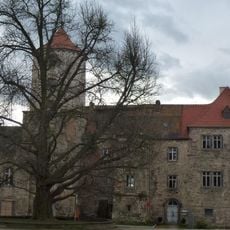
Schloss Goseck
996 m
Burg Schönburg
4.2 km
Akademie Haus Sonneck
4.9 km
War memorial in Großjena
5.3 km
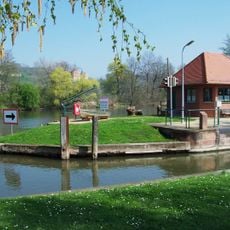
Oeblitzschleuse
1.3 km
Bergerturm
5.4 km
Saaleaue bei Goseck
1.5 km
St. Vincenz und Gangolf
5.3 km
St. Marien (Leißling)
3.8 km
Eulau church
2.1 km
Protestant Church Schellsitz
4.9 km
Erdmann-Neumeister-Platz 2
4.3 km
Zeuchfeld war memorial
5 km
Protestant Church Markröhlitz
1.3 km
Protestant Church Schönburg
4.4 km
Tilia in Possenhain
5 km
Protestant Church Großjena
5.3 km
Protestant Church Storkau
4.5 km
Protestant Church (Uichteritz)
4.3 km
St. Johannis Baptistae (Dobichau)
2 km
Protestant Church (Obschütz)
4.6 km
Protestant Church Zeuchfeld
5 km
Protestant Church Pödelist
2.3 km
Protestant Church Goseck
1.1 km
Kirche Possenhain
5.1 km
Saale
4 km
St. Andrae (Goseck)
713 m
Jobcenter Burgenlandkreis – Standort Naumburg
5.2 kmReviews
Visited this place? Tap the stars to rate it and share your experience / photos with the community! Try now! You can cancel it anytime.
Discover hidden gems everywhere you go!
From secret cafés to breathtaking viewpoints, skip the crowded tourist spots and find places that match your style. Our app makes it easy with voice search, smart filtering, route optimization, and insider tips from travelers worldwide. Download now for the complete mobile experience.
A unique approach to discovering new places❞
— Le Figaro
All the places worth exploring❞
— France Info
A tailor-made excursion in just a few clicks❞
— 20 Minutes