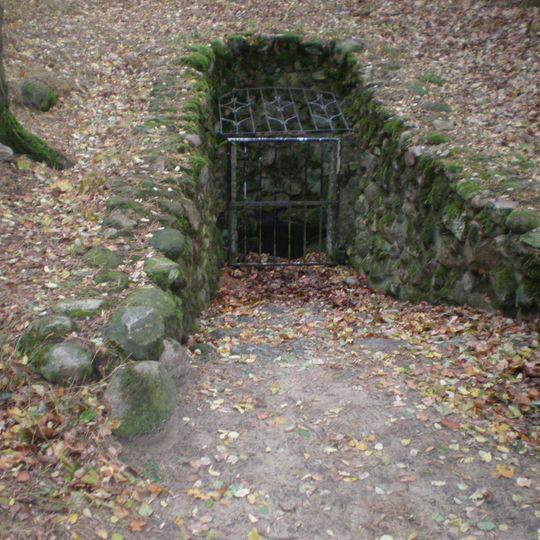
Königsgrab von Seddin, Bronze Age royal tomb in Groß Pankow, Germany
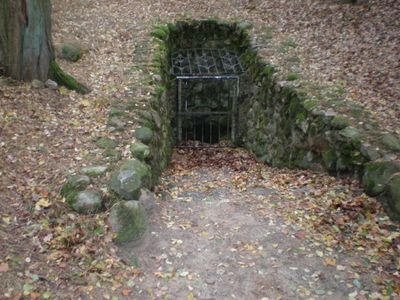
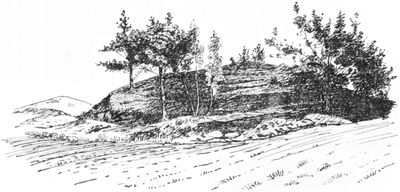
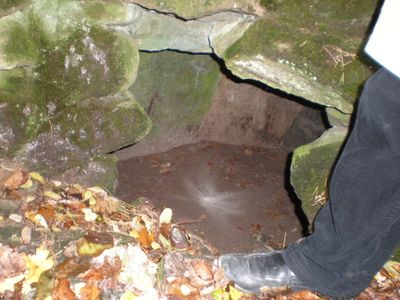
The Königsgrab von Seddin is a Bronze Age burial mound that spans about 61.5 meters across and rises 9 meters above the surrounding landscape. The mound is built from alternating layers of stone and sand, with a chamber below containing cremated remains along with weapons, tools, and bronze vessels.
The tomb was built between 910 and 800 BCE during the transition from the Bronze Age to the Iron Age in northern Central Europe. The burial goods found here show characteristics of both periods, marking an important shift in how societies were organized and how people expressed their status.
The name comes from the nearby village of Seddin, and the site reflects how cremation was a central practice in Bronze Age societies. Visitors can sense the importance placed on honoring high-ranking individuals through elaborate funeral rituals that involved the entire community.
The site sits in an agricultural landscape where the mound stands out clearly against the flat terrain, making it easy to spot from a distance. Access is generally open to visitors, though it is a protected archaeological area where care should be taken not to disturb the ground or any visible features.
Over 150 fire pits surround the burial mound, suggesting that extensive ceremonies took place during the funeral rituals. These fires likely served ceremonial purposes as the entire community gathered to honor the deceased person.
The community of curious travelers
AroundUs brings together thousands of curated places, local tips, and hidden gems, enriched daily by 90,827 contributors worldwide.