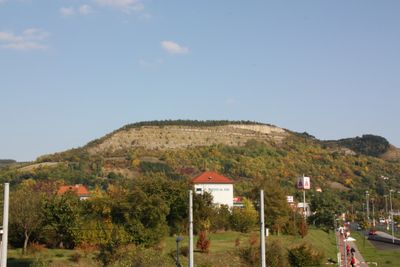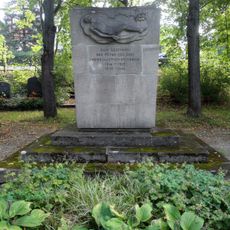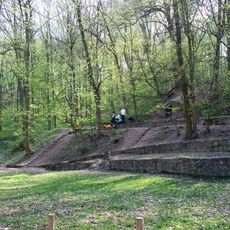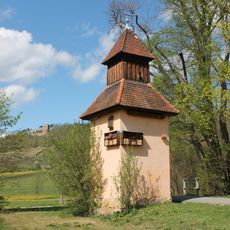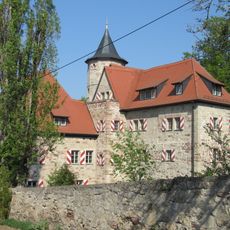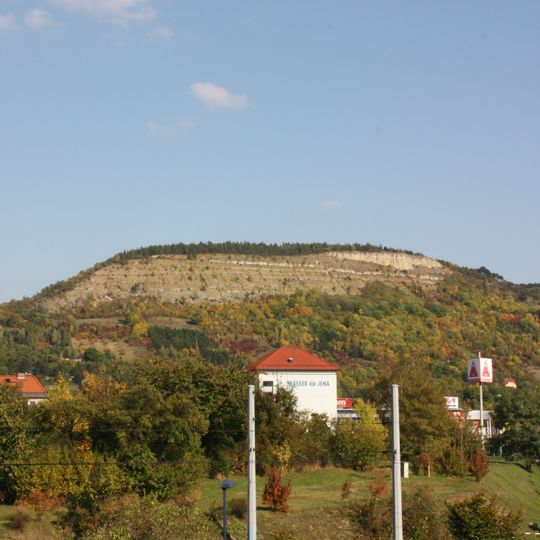
Johannisberg, Archaeological site and spur at Muschelkalk plateau, Germany
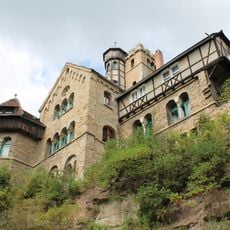
Johannisberg is a spur rising approximately 373 meters above sea level with steep slopes formed by lower Muschelkalk rock and solid limestone banks along its ridges. The plateau formation creates a naturally defensive position overlooking the Saale River valley.
The site shows continuous occupation from the Bronze Age through the early medieval period. Systematic excavations started in the 1870s by Friedrich Klopfleisch and revealed two distinct fortification phases.
The site's location on the Saale River's eastern bank bridges Frankish and Slavic cultural influences visible through recovered artifacts and remains. Visitors can observe how these two worlds met in this place.
The ridge is accessible by several hiking trails with varying difficulty levels leading to the summit. A local history path established in 1999 offers information about natural formations and the site's archaeological context.
The site is bordered by two narrow valleys: Pennickental to the north and Roda Valley to the south, creating a naturally isolated position. This geographic separation made it strategically valuable for defense across multiple cultures over thousands of years.
The community of curious travelers
AroundUs brings together thousands of curated places, local tips, and hidden gems, enriched daily by 91,284 contributors worldwide.