Observatorium Tusculanum, Archaeological ruins of astronomical observatory in Vridsløsemagle, Denmark
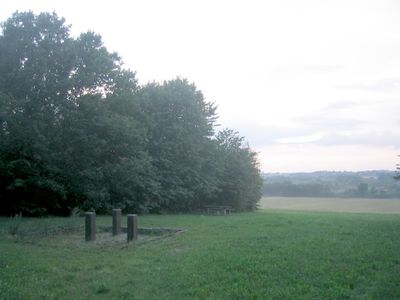
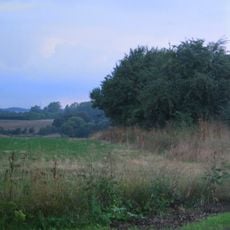
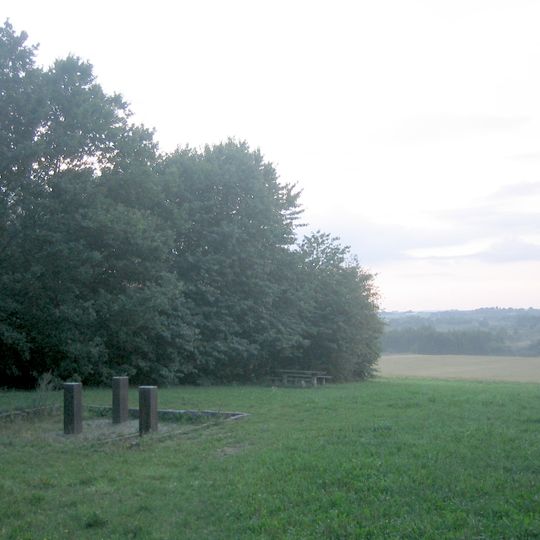
Observatorium Tusculanum is a ruined astronomical observatory in Vridsløsemagle with a square footprint measuring 5.5 meters on each side. The floor was deliberately set roughly 1 foot (30 centimeters) lower than the surrounding ground to reduce interference during observations.
Ole Rømer founded the Tusculanum Observatory in 1704, choosing this remote location away from Copenhagen to conduct precise astronomical measurements free from urban interference. The site selection outside the capital proved essential for accurate sky observations.
The name Tusculanum comes from Cicero's villa near Rome, showing how scholars connected astronomy with classical learning in Danish science. This choice of name reveals how scientists of that time modeled their workplaces after ancient references.
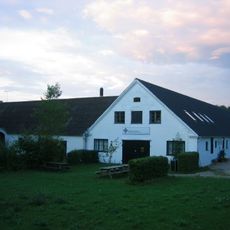
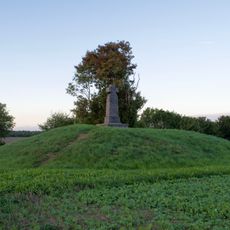
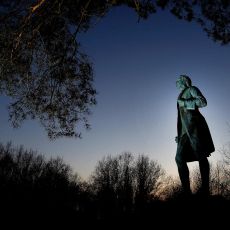
Visitors can see the preserved foundation markers and a statue of Ole Rømer at the site. The location connects with Kroppedal Museum, which offers exhibitions related to the observatory's history.
The observatory housed the world's first meridian circle instrument alongside four astronomical clocks for precise timekeeping. Night light signals between this site and Rundetårn tower in Copenhagen enabled early long-distance scientific communication.
The community of curious travelers
AroundUs brings together thousands of curated places, local tips, and hidden gems, enriched daily by 91,293 contributors worldwide.