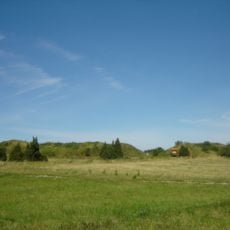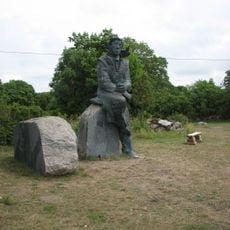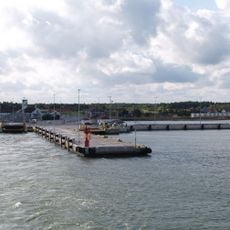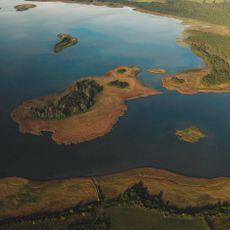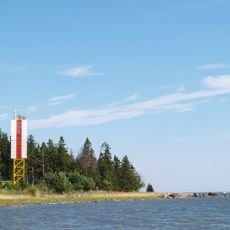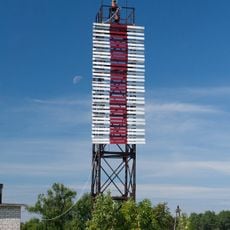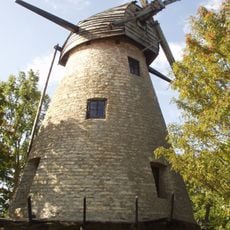
Üügu Cliff, Natural cliff in Kallaste, Estonia.
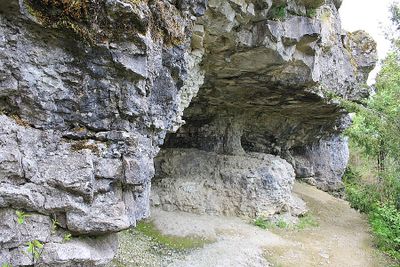
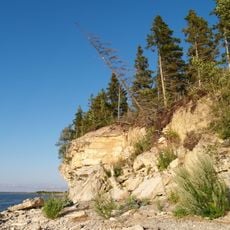
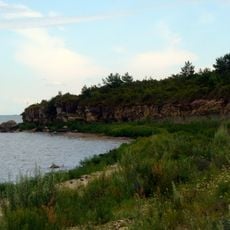
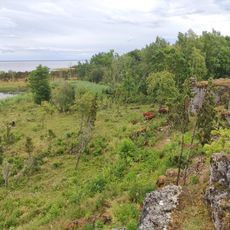
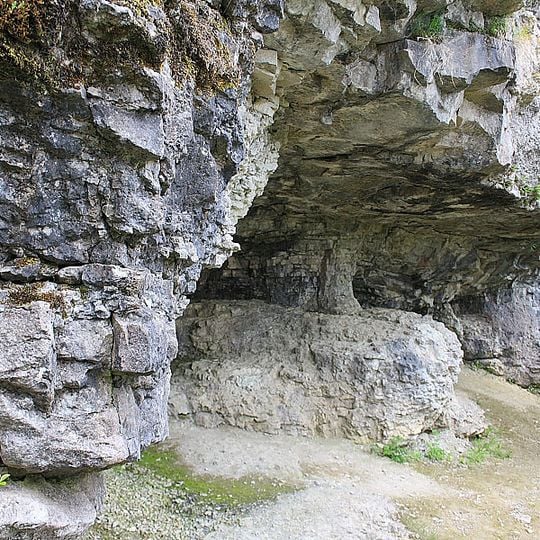
The Üügu Cliff extends 300 meters along Muhu's northern coast as a steep, vertical wall of dolostone rock reaching about 5.5 meters high. The surface shows weathered patterns and natural texture created by exposure to waves and wind over time.
The rock formation took shape after the Ice Age, about 10,000 years ago, when glacial forces reshaped the land. Before World War I, people extracted dolomite stone from this location, leaving marks on the cliff face.
This formation is part of Muhu's natural heritage and defines how the island's northern edge appears to visitors. The cliff shows how water and weather have shaped the coastline into what travelers see today.
The site is open year-round with no entrance fee, and marked trails lead to viewing areas along the cliff. Sturdy shoes are recommended since paths can be uneven and you may walk close to the cliff edge.
The cliff face contains basin-like hollows carved by water erosion, now standing about 150 meters inland from the current shoreline. These depressions reveal how much the coastal landscape has shifted over time.
The community of curious travelers
AroundUs brings together thousands of curated places, local tips, and hidden gems, enriched daily by 92,158 contributors worldwide.