See the monuments around you in AROpen chests in the app
Around Us is built for your phone — point your camera at the streets and discover the monuments and places around you in augmented reality.Around Us is built for your phone — chests unlock when you walk, explore and capture nearby places.
Natural sites and historic buildings across Estonia
Estonia showcases limestone cliffs, medieval castle ruins, flowing waterfalls, and protected wild areas. This collection includes the Kõpu Lighthouse built in 1531 on Hiiumaa Island, the submerged stone quarries of Rummu, and numerous manor houses from the 1800s. Natural features include meteorite impact craters at Kaali, red sandstone cliffs at Taevaskoda, and extensive wetland systems that define much of the landscape.
The collection brings together history and nature across the country. Medieval ruins like Toolse and Laiuse castle stand as reminders of Estonia's past, while Orthodox cathedrals and old mills reveal the region's diverse heritage. Natural attractions include waterfalls, coastal bluffs, and bog lands that draw visitors interested in walking and observing the landscape.
From Tartu to the eastern coast, these places show how Estonia's geography and history intertwine. Museums set in historic houses, maritime displays in fishing villages, and waterways through nature reserves all demonstrate how culture and landscape have shaped each other over time.
Natural sites and historic buildings across Estonia
Estonia showcases limestone cliffs, medieval castle ruins, flowing waterfalls, and protected wild areas. This collection includes the Kõpu Lighthouse built in 1531 on Hiiumaa Island, the submerged stone quarries of Rummu, and numerous manor houses from the 1800s. Natural features include meteorite impact craters at Kaali, red sandstone cliffs at Taevaskoda, and extensive wetland systems that define much of the landscape.
The collection brings together history and nature across the country. Medieval ruins like Toolse and Laiuse castle stand as reminders of Estonia's past, while Orthodox cathedrals and old mills reveal the region's diverse heritage. Natural attractions include waterfalls, coastal bluffs, and bog lands that draw visitors interested in walking and observing the landscape.
From Tartu to the eastern coast, these places show how Estonia's geography and history intertwine. Museums set in historic houses, maritime displays in fishing villages, and waterways through nature reserves all demonstrate how culture and landscape have shaped each other over time.
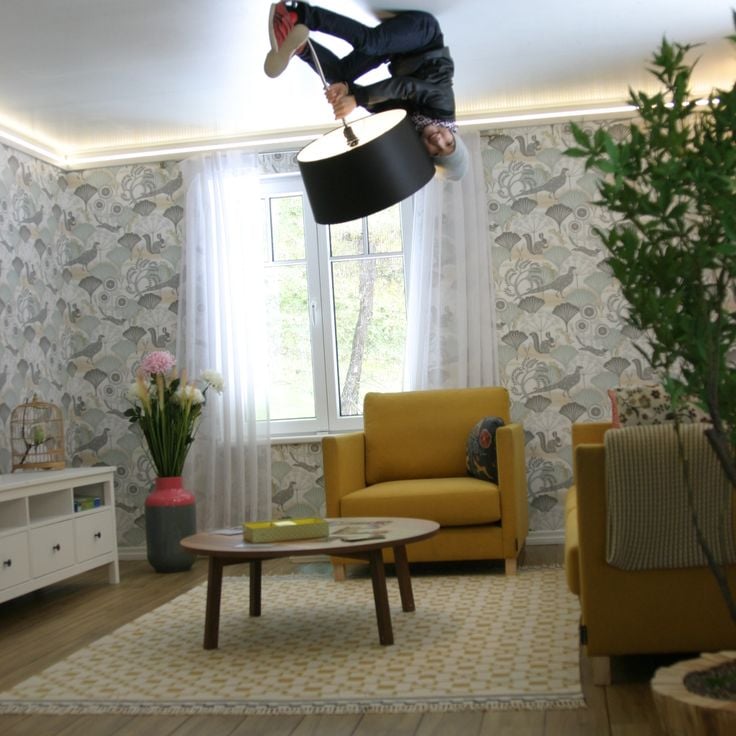
The Tagurpidi Maja in Tartu is an unusual house built upside down, with the roof touching the ground. All interior elements, including furniture and appliances, are mounted on the ceiling facing downward. This structure belongs to Estonia's diverse collection of natural sites and historic buildings, which ranges from the 36-meter Kõpu Lighthouse to 19th-century manor houses and natural formations like the Kaali meteorite craters. The house offers visitors a playful and disorienting experience of everyday spaces.
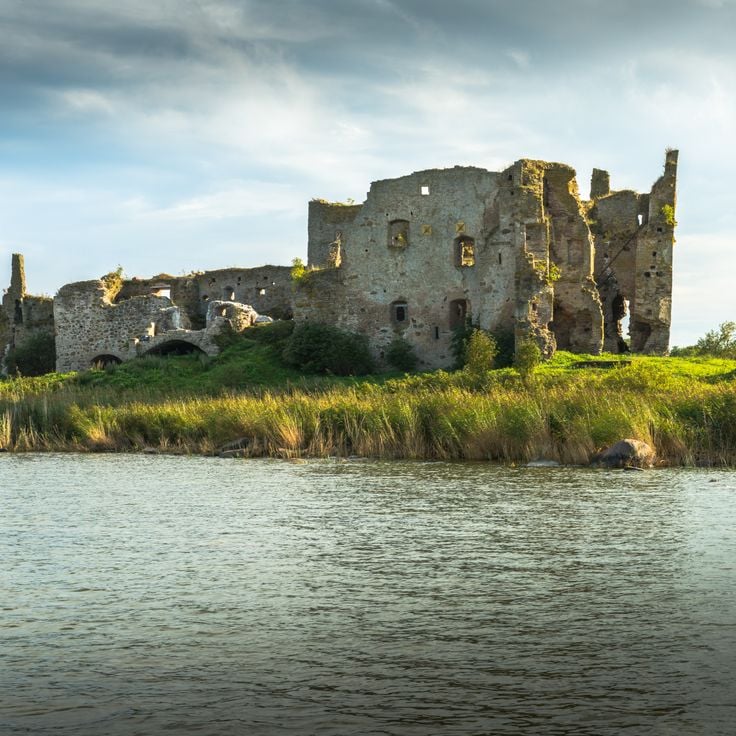
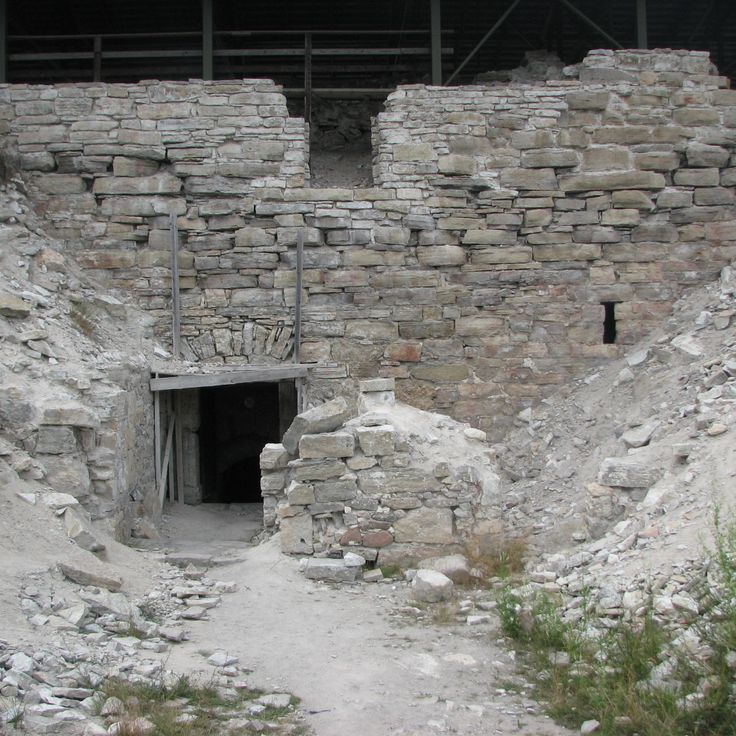
Toolse Castle Ruins are part of Estonia's collection of natural sites and historic buildings, dating back to 1471. This fortress sits on a limestone cliff near the Baltic Sea. Portions of the exterior walls and foundation remain visible today. The site connects medieval history with the region's geological character, offering a glimpse into the defensive structures that once protected the Baltic coast.
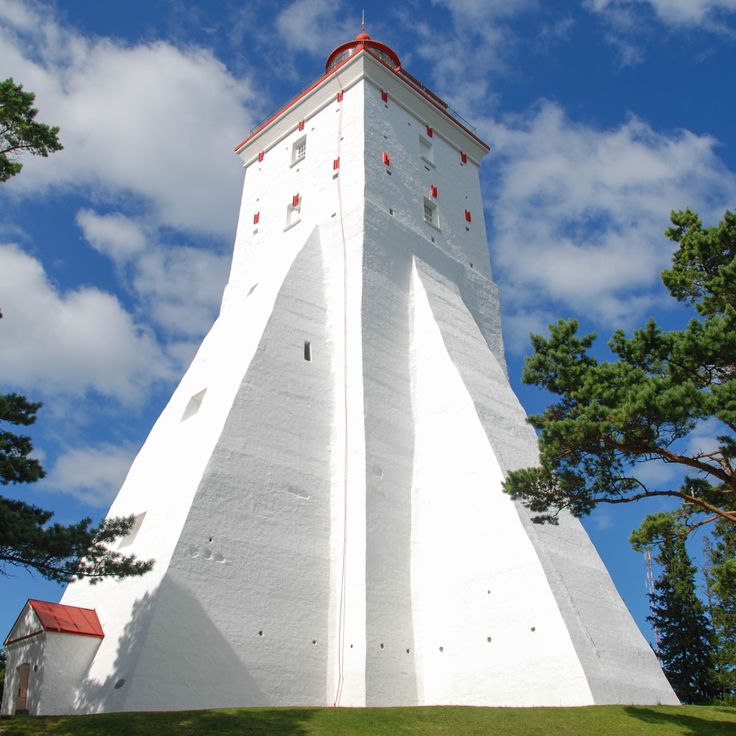
The Kõpu Lighthouse stands on the island of Hiiumaa and was built in 1531. This stone structure reaches 36 meters in height and shows the maritime history of Estonia. The walls are made of limestone, and a staircase inside leads upward. The lighthouse is one of Estonia's important historic buildings, which together with natural sites such as meteorite craters, waterfalls, and manor houses show the variety found across the country.
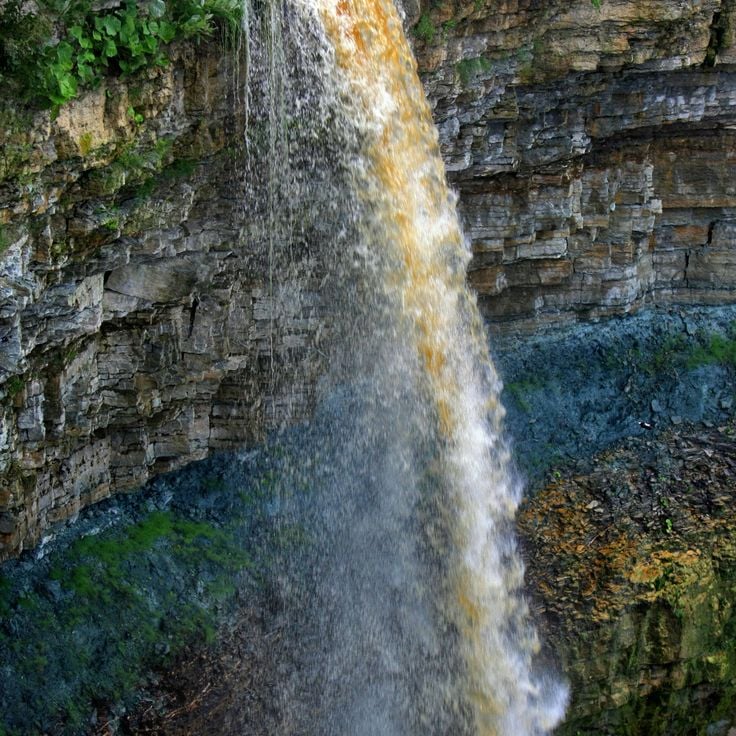
Valaste Waterfall is part of Estonia's collection of natural sites and historic buildings. Water drops 30 meters over the limestone cliff face. Visitors stand on a metal observation deck to watch the cascade as it changes throughout the seasons. This location represents the natural beauty of Estonia, which also features medieval ruins, historic lighthouses, and manor houses from the 19th century.
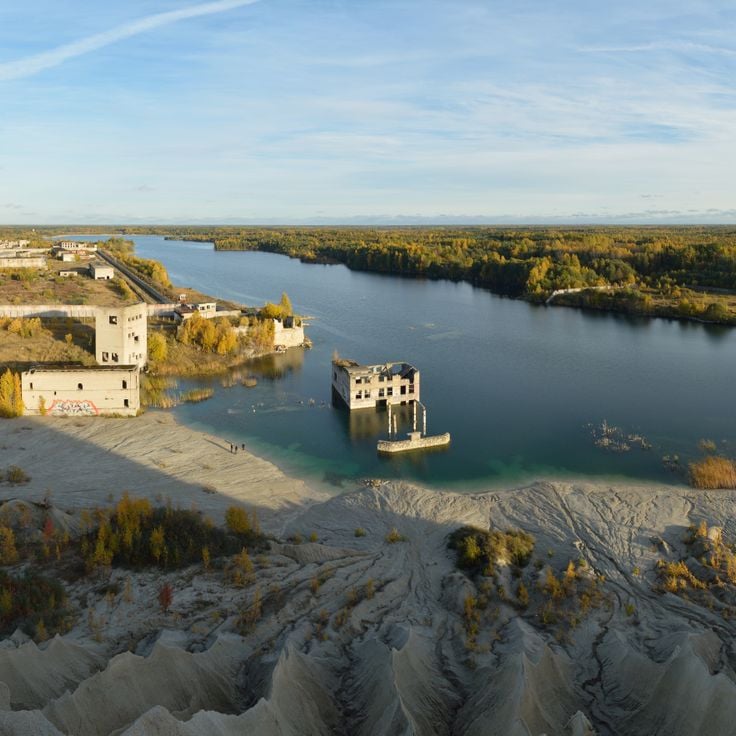
Prison Lake at Rummu is part of Estonia's collection of natural sites and historic buildings. This lake formed at a former limestone extraction site that was later flooded. Beneath the water's surface lie concrete walls, guard towers, and industrial structures from the Soviet era. The water reaches depths of around 10 meters. The site combines natural change with human history, showing how abandoned industrial areas can transform into distinctive landscapes.
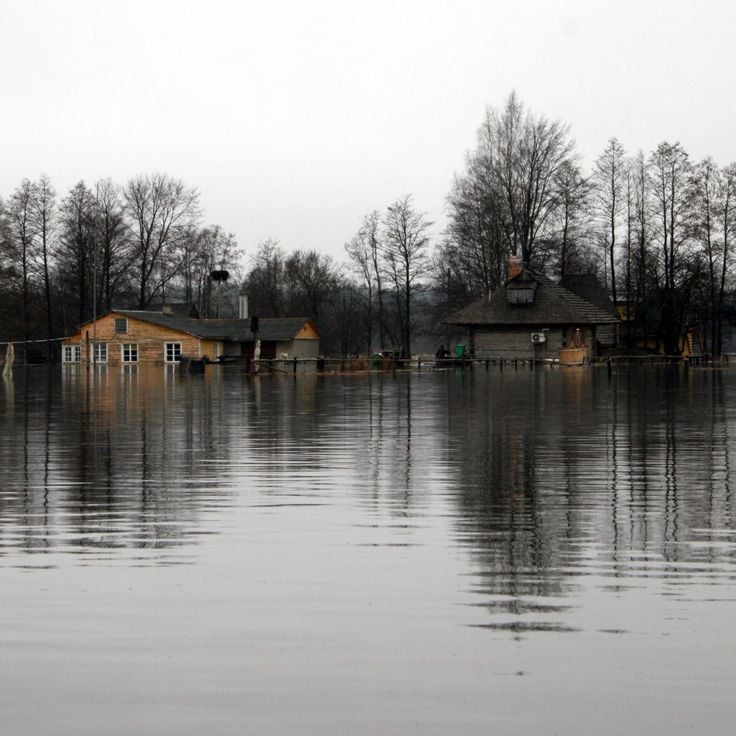
The Soomaa Flood Plains are a protected wetland area in Pärnu County, part of Estonia's network of natural sites ranging from limestone formations to wetland ecosystems. During March and April, water levels rise up to 5 meters, transforming forest paths into water channels. This seasonal transformation reveals how natural forces shape the landscape and create a dynamic environment throughout the year.
The Viljandi Lake Bridge is a pedestrian bridge that crosses a valley near the remains of a medieval castle. It is part of Estonia's collection of natural sites and historic buildings. The bridge connects visitors to the history of this region while offering a path across the landscape near the castle ruins.
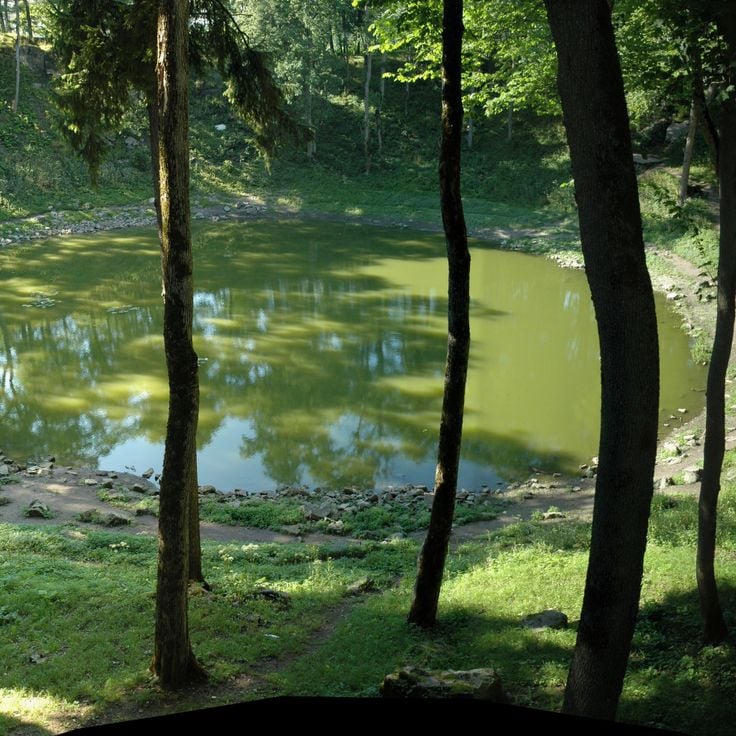
The Kaali Impact Site preserves a group of meteorite craters from the Bronze Age, part of Estonia's collection of natural sites and historic structures. The central crater holds a water-filled basin surrounded by a steep rim, creating a landscape shaped by ancient cosmic forces. This location offers visitors a rare chance to see how a meteorite strike has marked the earth and left an imprint that endures thousands of years later.
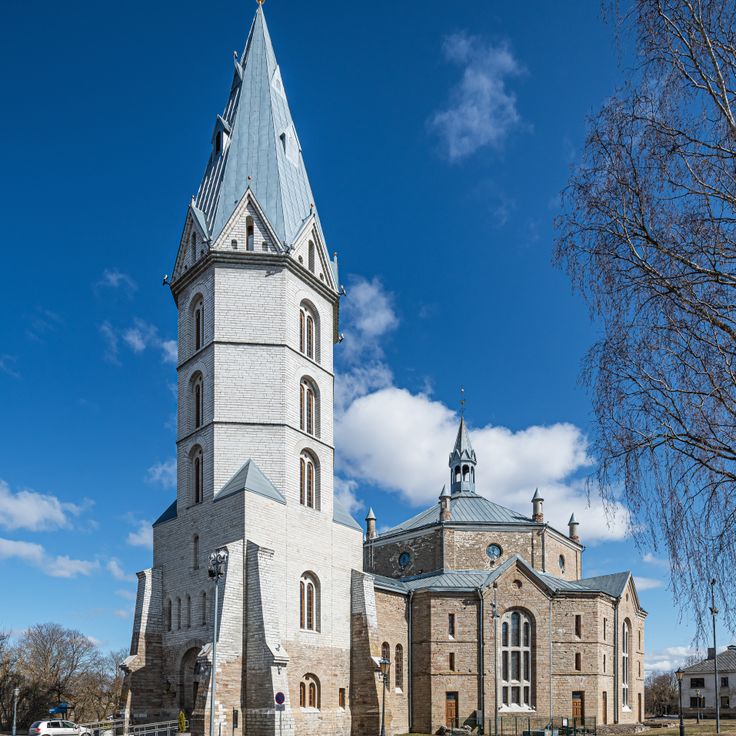
Narva Alexander's Cathedral is an Orthodox building with five onion domes and a bell tower. The 19th century interior displays religious art with painted walls and decorative icons. Within Estonia's collection of natural sites and historic buildings, this cathedral represents the country's diverse architectural heritage, which spans from medieval ruins to 19th century manor houses.
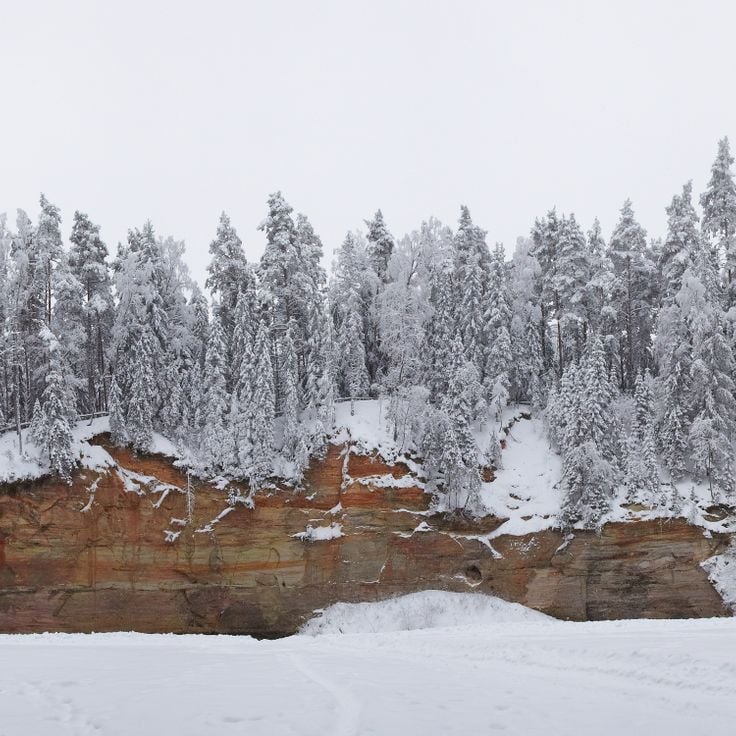
Taevaskoda features sandstone cliffs along the Ahja River that rise 20 meters high. These geological formations hold significance in local mythology and traditional Estonian stories, representing an important part of Estonia's natural and cultural heritage, which includes limestone formations, medieval ruins, waterfalls, and protected natural areas.
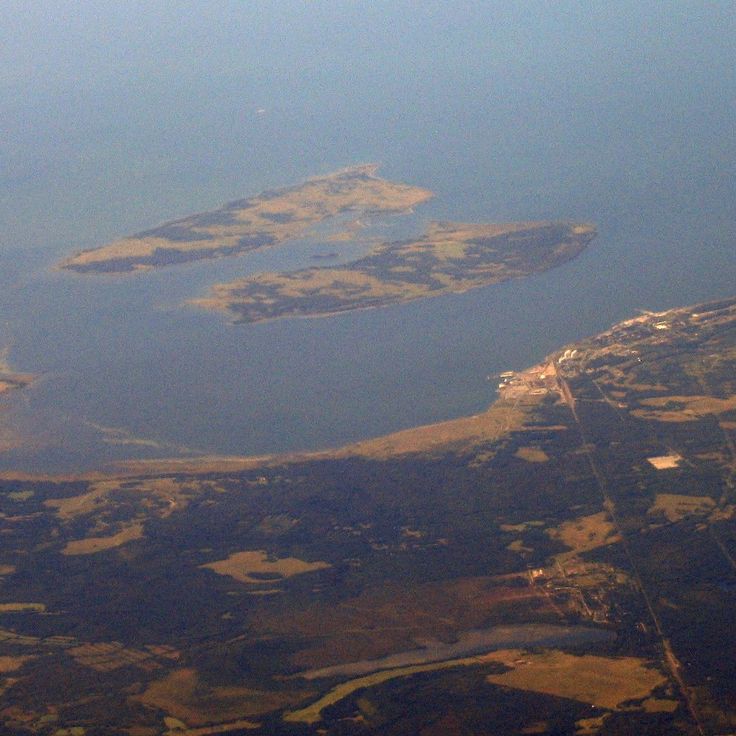
The Pakri Islands are part of Estonia's collection of natural sites and historic buildings, representing the country's maritime heritage. Two beacons from the 1800s stand on these uninhabited Baltic islands. The limestone shoreline provides nesting grounds for seabirds and displays the geological formations typical of the Estonian landscape.
Muraste Nature Reserve is part of Estonia's collection of natural formations and historic sites. Walking paths cross this Baltic coastal reserve with its limestone platforms. Observation points provide views over the waters of the Finnish Gulf.
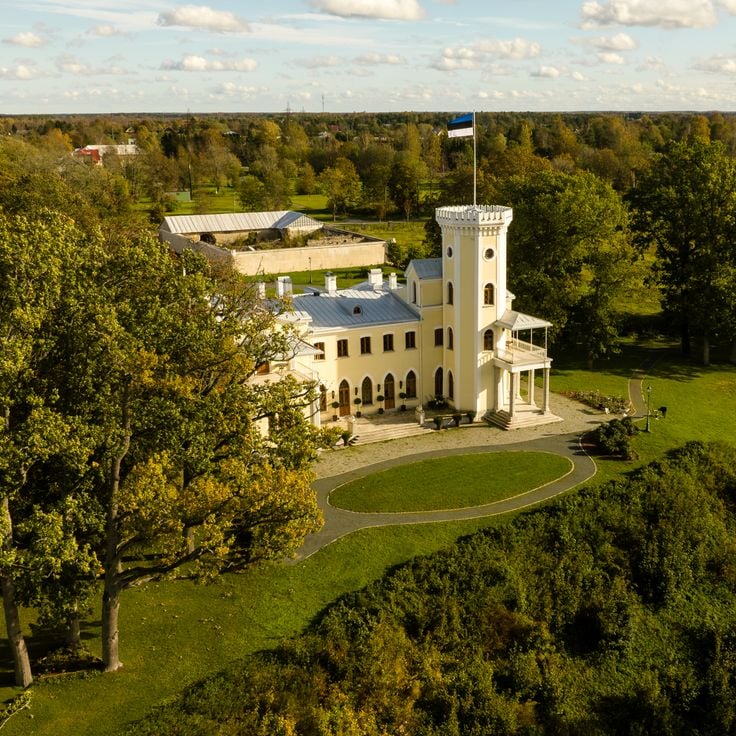
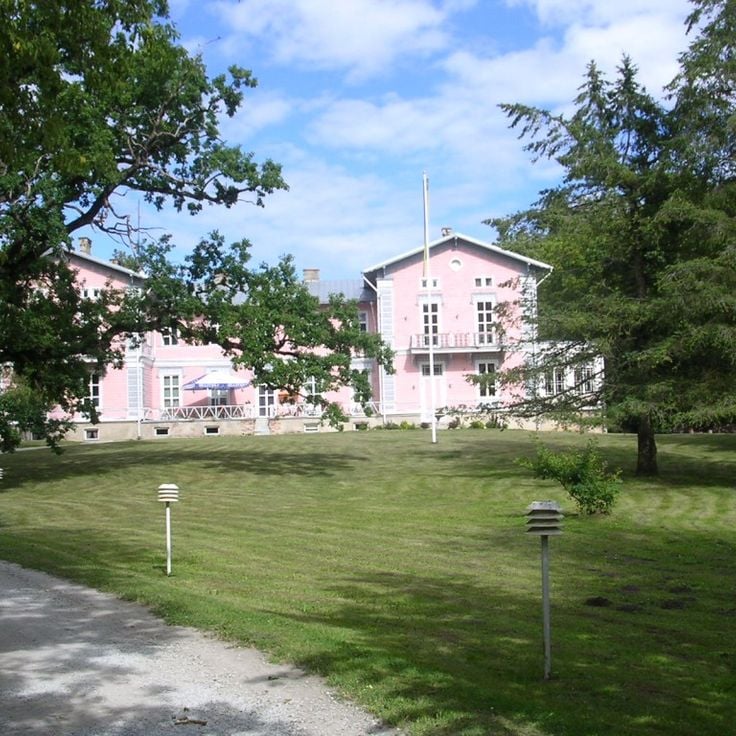
This manor was built in 1833 and combines classical architectural elements with a riverside location. As one of Estonia's 19th-century manor houses, it offers insight into aristocratic life of that era. The estate includes a park, limestone buildings, and views of the Keila waterfall.
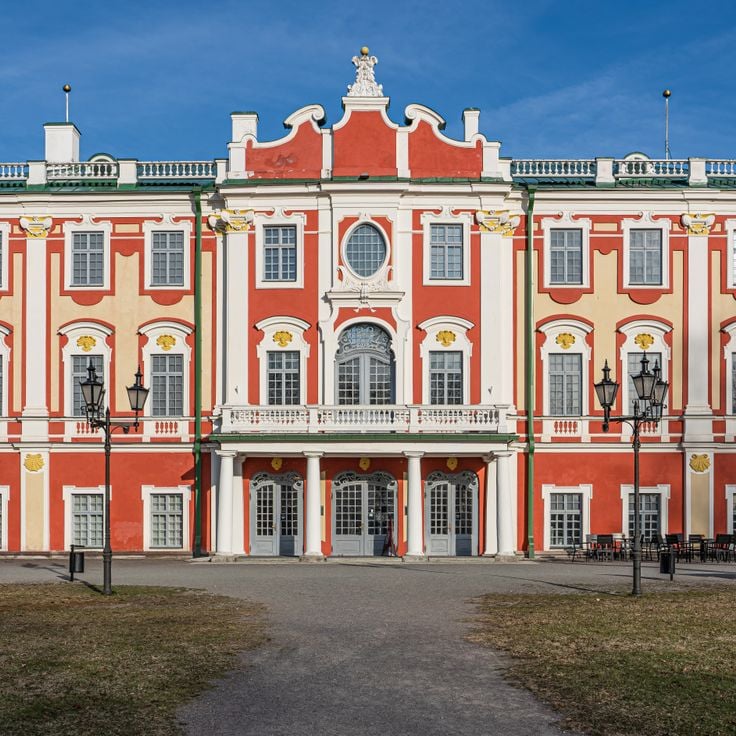
The Kadriorg Art Museum demonstrates how Estonia preserves its cultural treasures. Peter the Great ordered construction of this baroque palace in 1718. The building houses foreign art collections spanning the 16th to 20th centuries, showing connections to European artistic traditions. It represents a key part of Estonia's historic relationship with continental culture.
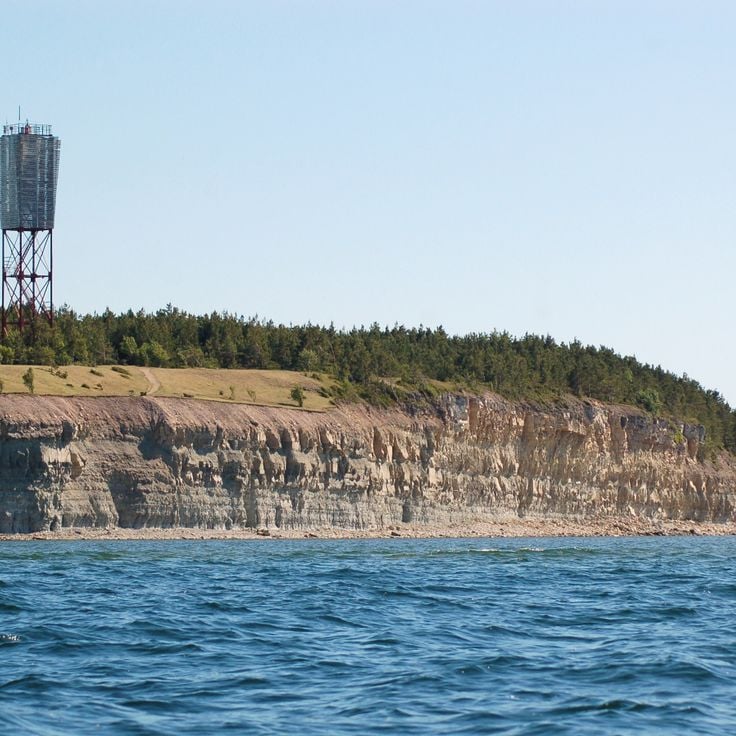
Panga Cliff is a 21-meter limestone wall on the northern coast of Saaremaa that reveals the geological history of Estonia. The exposed rock layers contain fossils and sediments from the Silurian period, offering a window into the region's ancient past. This cliff is part of Estonia's collection of natural sites, which includes limestone formations, waterfalls, and protected natural areas alongside historic structures ranging from medieval ruins to 19th-century manor houses.
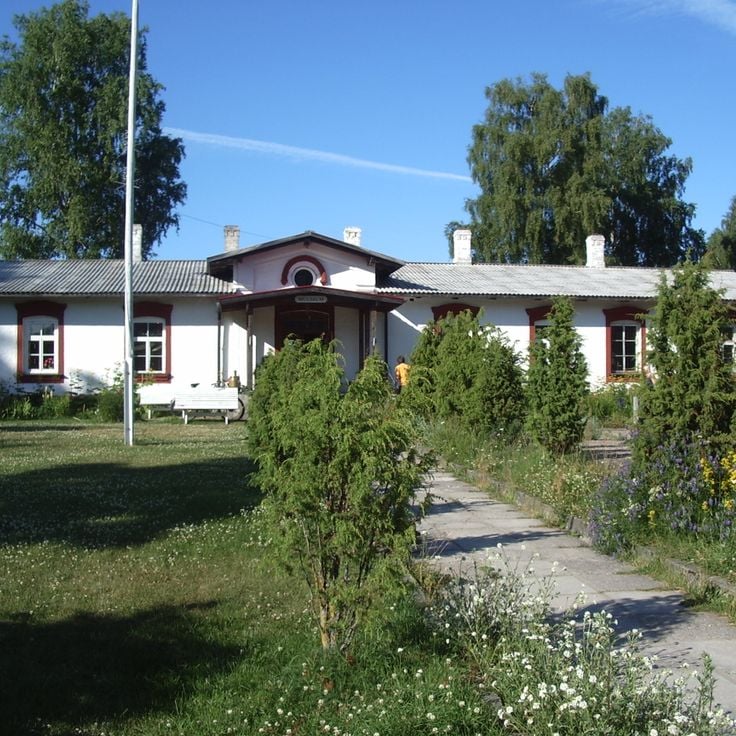
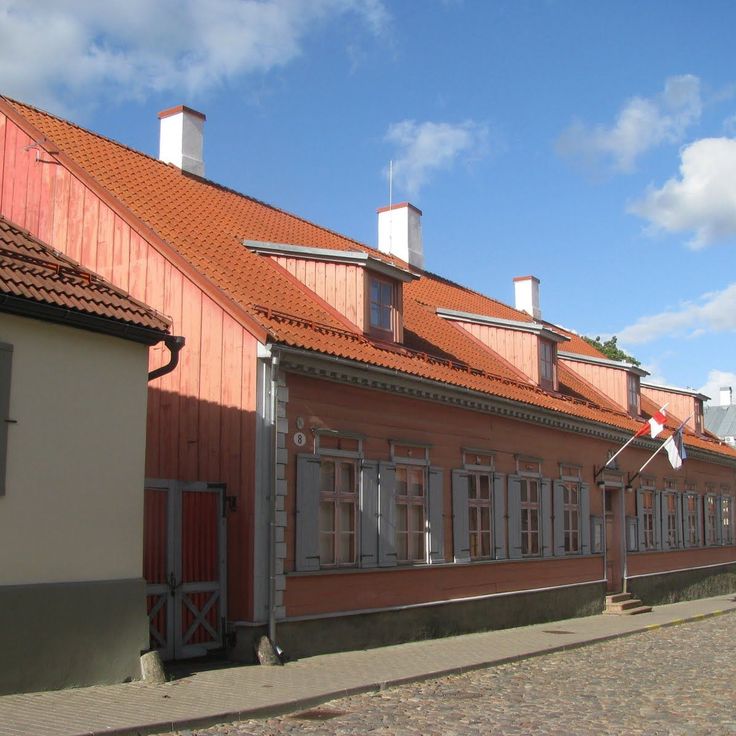
The Käsmu Maritime Museum is housed in a former border guard station and displays navigation instruments and documents from the local seafaring school that operated until 1931. The museum tells the story of maritime life in this region and the importance of shipping along the Estonian coast. It contributes to a collection of historic buildings and natural sites that document Estonia's diverse heritage.
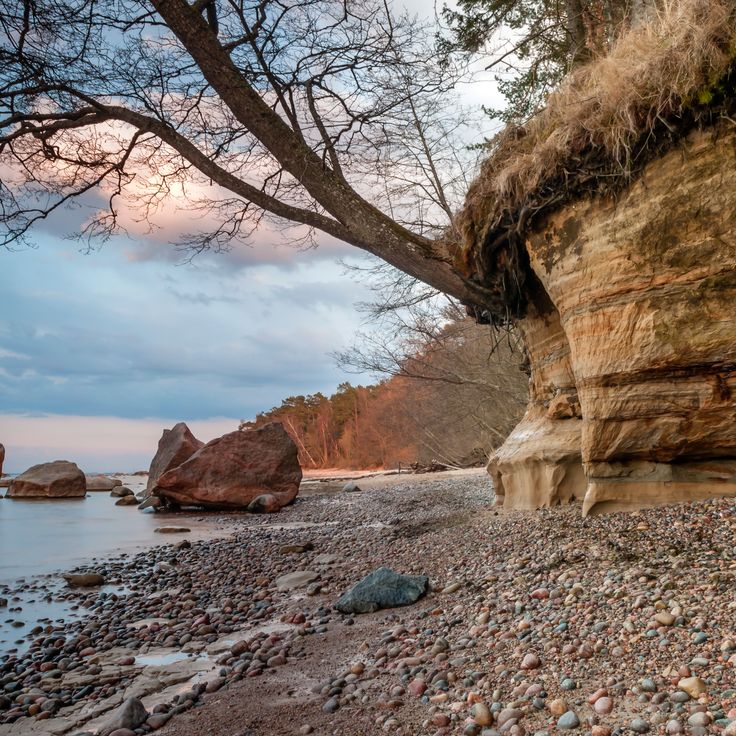
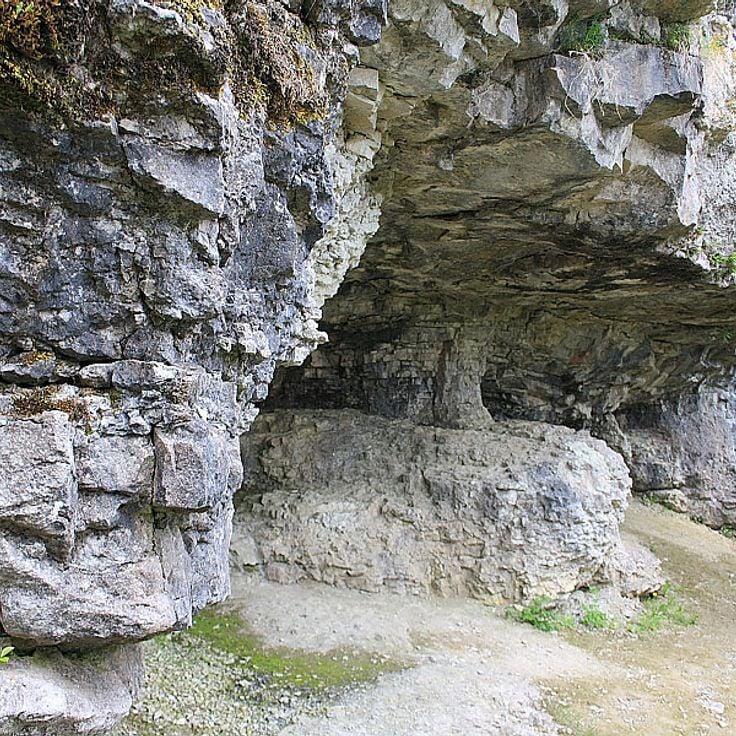
The Üügu Bluff belongs to this collection of natural sites and historic buildings across Estonia. The bluff displays an exposed limestone wall about 20 meters high along the Baltic Sea shore. Natural erosion has created several caves within the rock formation, revealing distinct geological periods. Visitors can observe the layers of Earth's history directly in the rock face and understand how water and time have shaped the landscape.
Laiuse Castle is a medieval fortress from the 1300s situated in Jõgeva County, standing on elevated ground. The stone structure preserves its base elements and sections of its defensive walls. This castle represents part of Estonia's collection of historic buildings and natural sites, which spans from limestone formations to manor houses and Orthodox cathedrals.
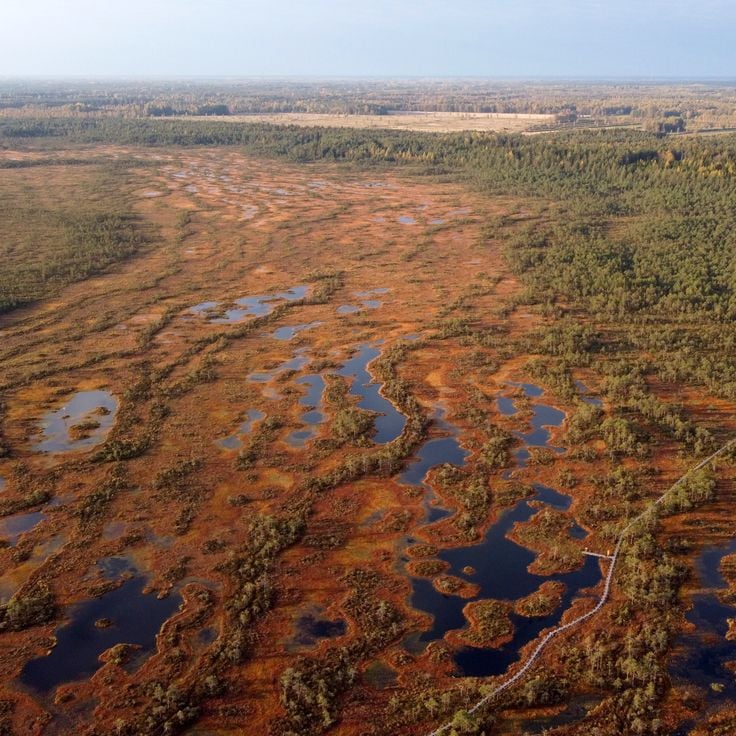
Kakerdaja Bog is a wetland in Järva County and part of Estonia's protected natural areas. It spans several kilometers with wooden paths crossing small lakes throughout. Visitors can observe migratory birds that nest in this northern environment. The specialized plants that grow here thrive in the bog's unique conditions, making it an important place to see how moorland ecosystems function.
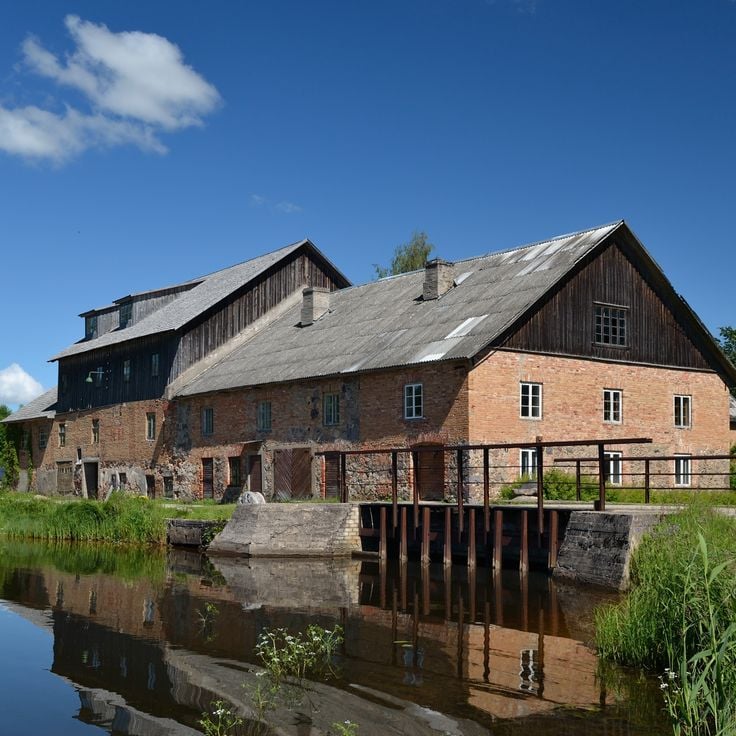
Hellenurme Mill is a working water-powered grain mill built in 1880. The site preserves its original equipment and demonstrates traditional flour production methods to visitors. This mill represents the mills and grain processing that were central to Estonia's rural life. Among Estonia's historic structures, from Orthodox cathedrals to water mills and maritime museums, Hellenurme Mill shows how water power sustained daily crafts and food production.
The Toy Museum in Tartu displays a diverse collection of toys from many centuries, featuring both Estonian and international pieces. Visitors can explore dolls, miniature vehicles, board games, and mechanical toys that show how children played across different eras. The museum fits into Estonia's landscape of historic structures and protected sites, offering insight into toy traditions and childhood through time.
Harilaid Peninsula is a coastal landscape in Saare County that represents the natural diversity featured across Estonia. The peninsula contains sand formations, pine forests, and grassy meadows. A white lighthouse stands at the northern tip, marking this important bird nesting area. The landscape shows how water, sand, and vegetation shape the Estonian coast.
St. Matthias' Church in Võru is an 1866 stone structure displaying gothic architectural elements with pointed arches and spires. Inside, wooden benches face an altar beneath colored glass windows. This building is part of Estonia's historic structures, ranging from orthodox cathedrals to water mills, reflecting the country's past.
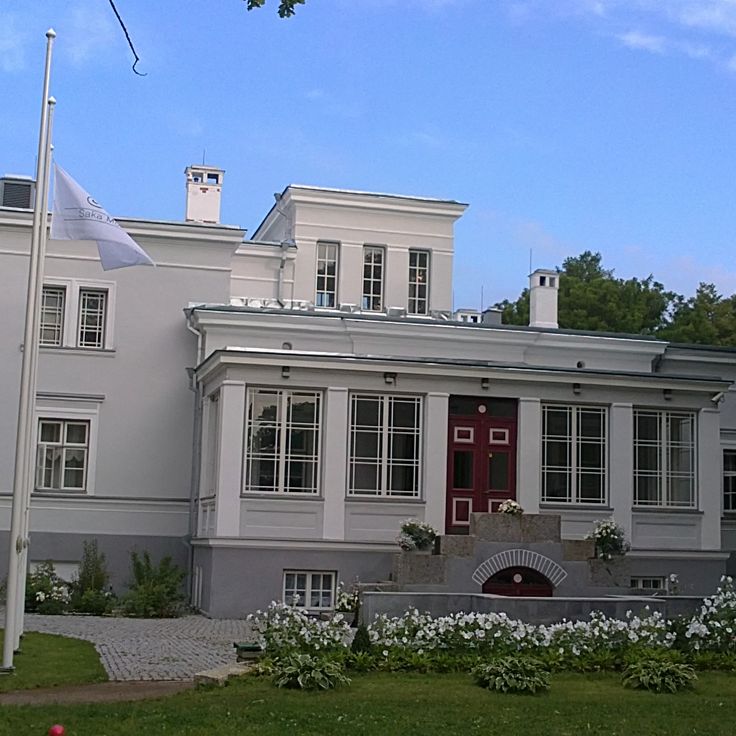
Saka Manor is part of Estonia's collection of natural sites and historic buildings, situated on limestone cliffs 50 meters above the Baltic Sea. The estate features ornamental gardens and forest paths throughout its grounds. It represents the manor houses from the 19th century that reflect the region's architectural heritage.
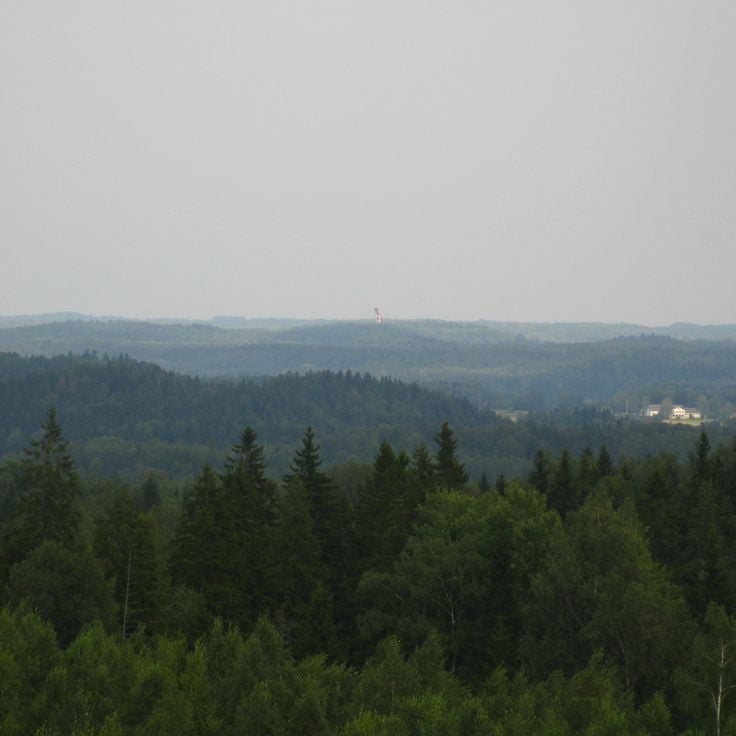
The Otepää Nature Reserve in Valga County represents the natural diversity found across Estonia, featuring forests, lakes and hills spread across a large area. Visitors walk marked trails through the landscape, enjoy winter sports on the terrain, and have opportunities to observe local animals. The reserve demonstrates the woodland and lake ecosystems that characterize this region.
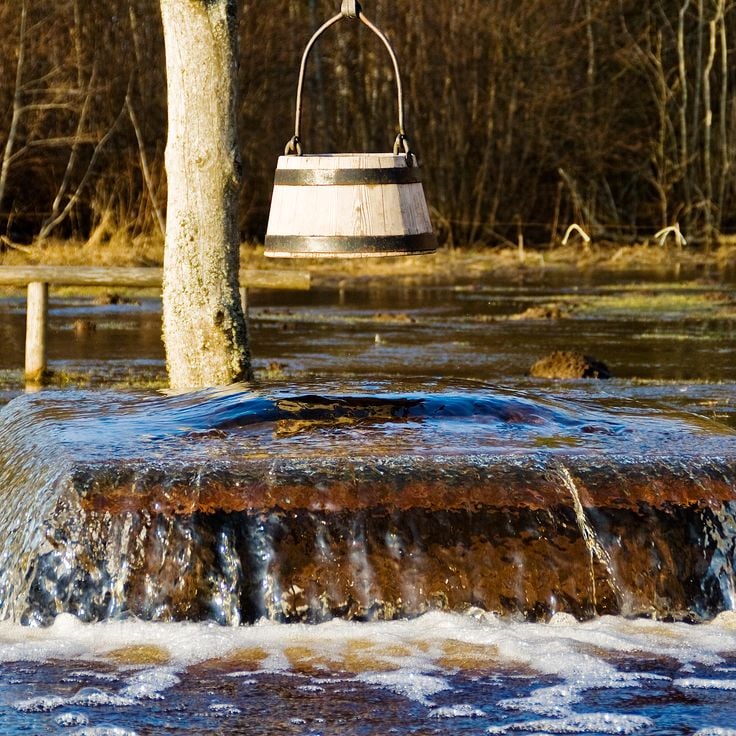
The Tuhala Water Spring is one of Estonia's natural sites that demonstrates the region's geological character. This limestone spring comes to life during heavy rainfall when underground pressure forces water through the karst formation, creating a natural fountain effect. The phenomenon reveals the dynamic processes at work in Estonia's limestone landscape, alongside other notable features like the Kaali meteorite craters and the red sandstone formations at Taevaskoda.
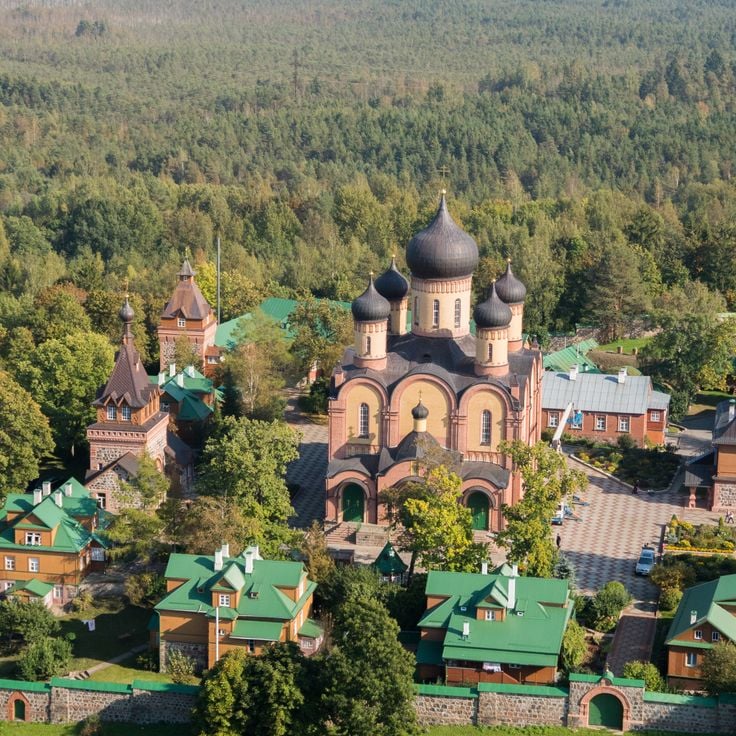
The Pühtitsa Orthodox Monastery is a Russian Orthodox complex established in 1891 and represents one of Estonia's significant religious sites. It features five churches adorned with distinctive domes characteristic of Orthodox architecture. A community of nuns resides at the monastery and maintains its religious practices and traditions. This site exemplifies the presence of Orthodox faith and architecture within Estonia's broader collection of historic buildings and natural landmarks.
Kohala Estate is a 19th century neo-gothic building with stone walls and farm structures located in Lääne-Viru County. The surrounding park contains uncommon tree varieties and ornamental plants. This manor house represents the tradition of estate buildings that shaped Estonia's landscape and serve as examples of historic architecture and rural heritage from the 1800s.
Maasilinn Castle is a medieval fortress built in the 14th century that stands as one of Estonia's significant historic buildings. The castle retains its original stone walls and foundation ruins, positioned just 100 meters from the Baltic Sea. It represents the architectural heritage found throughout Estonia, alongside lighthouses, manor houses, and other structures that reflect the country's past.
Lõhavere Fort is a military settlement from the 12th century built on a 25-meter hill in Viljandi County. It contains remains of wooden structures and metal artifacts that reveal how people lived and defended themselves in medieval times. As part of Estonia's collection of natural sites and historic buildings, this fort shows the early history of the region through its archaeological layers and construction methods.
Alatskivi Manor is a historic estate built in 1885 that represents the 19th-century manor houses featured in Estonia's collection of natural sites and historic buildings. The structure showcases neo-Gothic architecture with limestone walls and contains original historical furniture and displays of regional cultural traditions. Walking through the rooms offers a glimpse into how people lived during this period.
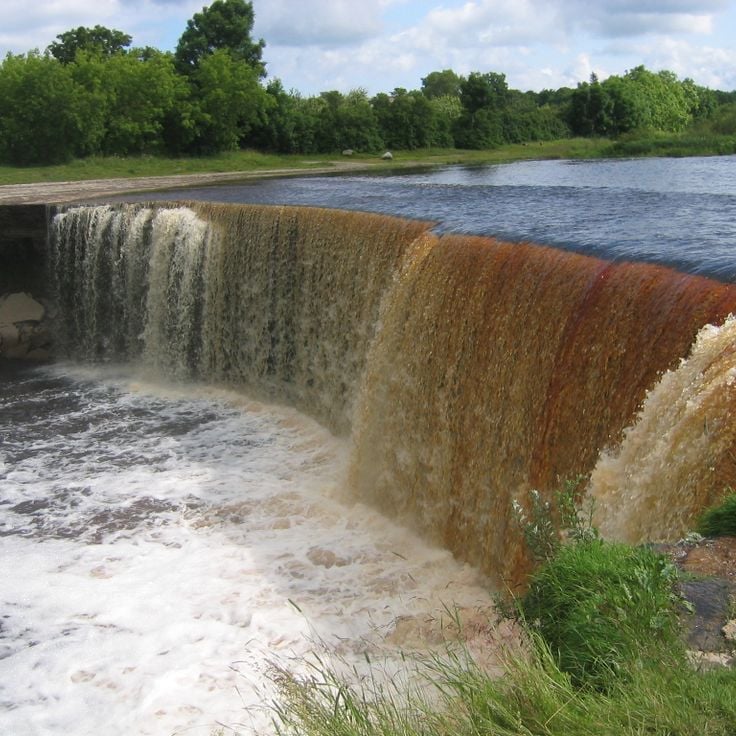
Jägala Falls is a natural limestone waterfall in Harju County and part of Estonia's collection of geological formations and protected natural areas. Measuring 8 meters high and 50 meters wide, this waterfall transforms with the seasons. In winter, the water freezes into solid ice formations that reshape the landscape entirely. The river flows over the limestone layer, creating a living landscape that draws visitors throughout the year.
The Tagurpidi Maja in Tartu is an unusual house built upside down, with the roof touching the ground. All interior elements, including furniture and appliances, are mounted on the ceiling facing downward. This structure belongs to Estonia's diverse collection of natural sites and historic buildings, which ranges from the 36-meter Kõpu Lighthouse to 19th-century manor houses and natural formations like the Kaali meteorite craters. The house offers visitors a playful and disorienting experience of everyday spaces.
Toolse Castle Ruins are part of Estonia's collection of natural sites and historic buildings, dating back to 1471. This fortress sits on a limestone cliff near the Baltic Sea. Portions of the exterior walls and foundation remain visible today. The site connects medieval history with the region's geological character, offering a glimpse into the defensive structures that once protected the Baltic coast.
The Kõpu Lighthouse stands on the island of Hiiumaa and was built in 1531. This stone structure reaches 36 meters in height and shows the maritime history of Estonia. The walls are made of limestone, and a staircase inside leads upward. The lighthouse is one of Estonia's important historic buildings, which together with natural sites such as meteorite craters, waterfalls, and manor houses show the variety found across the country.
Valaste Waterfall is part of Estonia's collection of natural sites and historic buildings. Water drops 30 meters over the limestone cliff face. Visitors stand on a metal observation deck to watch the cascade as it changes throughout the seasons. This location represents the natural beauty of Estonia, which also features medieval ruins, historic lighthouses, and manor houses from the 19th century.
Prison Lake at Rummu is part of Estonia's collection of natural sites and historic buildings. This lake formed at a former limestone extraction site that was later flooded. Beneath the water's surface lie concrete walls, guard towers, and industrial structures from the Soviet era. The water reaches depths of around 10 meters. The site combines natural change with human history, showing how abandoned industrial areas can transform into distinctive landscapes.
The Soomaa Flood Plains are a protected wetland area in Pärnu County, part of Estonia's network of natural sites ranging from limestone formations to wetland ecosystems. During March and April, water levels rise up to 5 meters, transforming forest paths into water channels. This seasonal transformation reveals how natural forces shape the landscape and create a dynamic environment throughout the year.
The Viljandi Lake Bridge is a pedestrian bridge that crosses a valley near the remains of a medieval castle. It is part of Estonia's collection of natural sites and historic buildings. The bridge connects visitors to the history of this region while offering a path across the landscape near the castle ruins.
The Kaali Impact Site preserves a group of meteorite craters from the Bronze Age, part of Estonia's collection of natural sites and historic structures. The central crater holds a water-filled basin surrounded by a steep rim, creating a landscape shaped by ancient cosmic forces. This location offers visitors a rare chance to see how a meteorite strike has marked the earth and left an imprint that endures thousands of years later.
Narva Alexander's Cathedral is an Orthodox building with five onion domes and a bell tower. The 19th century interior displays religious art with painted walls and decorative icons. Within Estonia's collection of natural sites and historic buildings, this cathedral represents the country's diverse architectural heritage, which spans from medieval ruins to 19th century manor houses.
Taevaskoda features sandstone cliffs along the Ahja River that rise 20 meters high. These geological formations hold significance in local mythology and traditional Estonian stories, representing an important part of Estonia's natural and cultural heritage, which includes limestone formations, medieval ruins, waterfalls, and protected natural areas.
The Pakri Islands are part of Estonia's collection of natural sites and historic buildings, representing the country's maritime heritage. Two beacons from the 1800s stand on these uninhabited Baltic islands. The limestone shoreline provides nesting grounds for seabirds and displays the geological formations typical of the Estonian landscape.
Muraste Nature Reserve is part of Estonia's collection of natural formations and historic sites. Walking paths cross this Baltic coastal reserve with its limestone platforms. Observation points provide views over the waters of the Finnish Gulf.
This manor was built in 1833 and combines classical architectural elements with a riverside location. As one of Estonia's 19th-century manor houses, it offers insight into aristocratic life of that era. The estate includes a park, limestone buildings, and views of the Keila waterfall.
The Kadriorg Art Museum demonstrates how Estonia preserves its cultural treasures. Peter the Great ordered construction of this baroque palace in 1718. The building houses foreign art collections spanning the 16th to 20th centuries, showing connections to European artistic traditions. It represents a key part of Estonia's historic relationship with continental culture.
Panga Cliff is a 21-meter limestone wall on the northern coast of Saaremaa that reveals the geological history of Estonia. The exposed rock layers contain fossils and sediments from the Silurian period, offering a window into the region's ancient past. This cliff is part of Estonia's collection of natural sites, which includes limestone formations, waterfalls, and protected natural areas alongside historic structures ranging from medieval ruins to 19th-century manor houses.
The Käsmu Maritime Museum is housed in a former border guard station and displays navigation instruments and documents from the local seafaring school that operated until 1931. The museum tells the story of maritime life in this region and the importance of shipping along the Estonian coast. It contributes to a collection of historic buildings and natural sites that document Estonia's diverse heritage.
The Üügu Bluff belongs to this collection of natural sites and historic buildings across Estonia. The bluff displays an exposed limestone wall about 20 meters high along the Baltic Sea shore. Natural erosion has created several caves within the rock formation, revealing distinct geological periods. Visitors can observe the layers of Earth's history directly in the rock face and understand how water and time have shaped the landscape.
Laiuse Castle is a medieval fortress from the 1300s situated in Jõgeva County, standing on elevated ground. The stone structure preserves its base elements and sections of its defensive walls. This castle represents part of Estonia's collection of historic buildings and natural sites, which spans from limestone formations to manor houses and Orthodox cathedrals.
Kakerdaja Bog is a wetland in Järva County and part of Estonia's protected natural areas. It spans several kilometers with wooden paths crossing small lakes throughout. Visitors can observe migratory birds that nest in this northern environment. The specialized plants that grow here thrive in the bog's unique conditions, making it an important place to see how moorland ecosystems function.
Hellenurme Mill is a working water-powered grain mill built in 1880. The site preserves its original equipment and demonstrates traditional flour production methods to visitors. This mill represents the mills and grain processing that were central to Estonia's rural life. Among Estonia's historic structures, from Orthodox cathedrals to water mills and maritime museums, Hellenurme Mill shows how water power sustained daily crafts and food production.
The Toy Museum in Tartu displays a diverse collection of toys from many centuries, featuring both Estonian and international pieces. Visitors can explore dolls, miniature vehicles, board games, and mechanical toys that show how children played across different eras. The museum fits into Estonia's landscape of historic structures and protected sites, offering insight into toy traditions and childhood through time.
Harilaid Peninsula is a coastal landscape in Saare County that represents the natural diversity featured across Estonia. The peninsula contains sand formations, pine forests, and grassy meadows. A white lighthouse stands at the northern tip, marking this important bird nesting area. The landscape shows how water, sand, and vegetation shape the Estonian coast.
St. Matthias' Church in Võru is an 1866 stone structure displaying gothic architectural elements with pointed arches and spires. Inside, wooden benches face an altar beneath colored glass windows. This building is part of Estonia's historic structures, ranging from orthodox cathedrals to water mills, reflecting the country's past.
Saka Manor is part of Estonia's collection of natural sites and historic buildings, situated on limestone cliffs 50 meters above the Baltic Sea. The estate features ornamental gardens and forest paths throughout its grounds. It represents the manor houses from the 19th century that reflect the region's architectural heritage.
The Otepää Nature Reserve in Valga County represents the natural diversity found across Estonia, featuring forests, lakes and hills spread across a large area. Visitors walk marked trails through the landscape, enjoy winter sports on the terrain, and have opportunities to observe local animals. The reserve demonstrates the woodland and lake ecosystems that characterize this region.
The Tuhala Water Spring is one of Estonia's natural sites that demonstrates the region's geological character. This limestone spring comes to life during heavy rainfall when underground pressure forces water through the karst formation, creating a natural fountain effect. The phenomenon reveals the dynamic processes at work in Estonia's limestone landscape, alongside other notable features like the Kaali meteorite craters and the red sandstone formations at Taevaskoda.
The Pühtitsa Orthodox Monastery is a Russian Orthodox complex established in 1891 and represents one of Estonia's significant religious sites. It features five churches adorned with distinctive domes characteristic of Orthodox architecture. A community of nuns resides at the monastery and maintains its religious practices and traditions. This site exemplifies the presence of Orthodox faith and architecture within Estonia's broader collection of historic buildings and natural landmarks.
Kohala Estate is a 19th century neo-gothic building with stone walls and farm structures located in Lääne-Viru County. The surrounding park contains uncommon tree varieties and ornamental plants. This manor house represents the tradition of estate buildings that shaped Estonia's landscape and serve as examples of historic architecture and rural heritage from the 1800s.
Maasilinn Castle is a medieval fortress built in the 14th century that stands as one of Estonia's significant historic buildings. The castle retains its original stone walls and foundation ruins, positioned just 100 meters from the Baltic Sea. It represents the architectural heritage found throughout Estonia, alongside lighthouses, manor houses, and other structures that reflect the country's past.
Lõhavere Fort is a military settlement from the 12th century built on a 25-meter hill in Viljandi County. It contains remains of wooden structures and metal artifacts that reveal how people lived and defended themselves in medieval times. As part of Estonia's collection of natural sites and historic buildings, this fort shows the early history of the region through its archaeological layers and construction methods.
Alatskivi Manor is a historic estate built in 1885 that represents the 19th-century manor houses featured in Estonia's collection of natural sites and historic buildings. The structure showcases neo-Gothic architecture with limestone walls and contains original historical furniture and displays of regional cultural traditions. Walking through the rooms offers a glimpse into how people lived during this period.
Jägala Falls is a natural limestone waterfall in Harju County and part of Estonia's collection of geological formations and protected natural areas. Measuring 8 meters high and 50 meters wide, this waterfall transforms with the seasons. In winter, the water freezes into solid ice formations that reshape the landscape entirely. The river flows over the limestone layer, creating a living landscape that draws visitors throughout the year.
The Tagurpidi Maja in Tartu is an unusual house built upside down, with the roof touching the ground. All interior elements, including furniture and appliances, are mounted on the ceiling facing downward. This structure belongs to Estonia's diverse collection of natural sites and historic buildings, which ranges from the 36-meter Kõpu Lighthouse to 19th-century manor houses and natural formations like the Kaali meteorite craters. The house offers visitors a playful and disorienting experience of everyday spaces.
Toolse Castle Ruins are part of Estonia's collection of natural sites and historic buildings, dating back to 1471. This fortress sits on a limestone cliff near the Baltic Sea. Portions of the exterior walls and foundation remain visible today. The site connects medieval history with the region's geological character, offering a glimpse into the defensive structures that once protected the Baltic coast.
The Kõpu Lighthouse stands on the island of Hiiumaa and was built in 1531. This stone structure reaches 36 meters in height and shows the maritime history of Estonia. The walls are made of limestone, and a staircase inside leads upward. The lighthouse is one of Estonia's important historic buildings, which together with natural sites such as meteorite craters, waterfalls, and manor houses show the variety found across the country.
Valaste Waterfall is part of Estonia's collection of natural sites and historic buildings. Water drops 30 meters over the limestone cliff face. Visitors stand on a metal observation deck to watch the cascade as it changes throughout the seasons. This location represents the natural beauty of Estonia, which also features medieval ruins, historic lighthouses, and manor houses from the 19th century.
Prison Lake at Rummu is part of Estonia's collection of natural sites and historic buildings. This lake formed at a former limestone extraction site that was later flooded. Beneath the water's surface lie concrete walls, guard towers, and industrial structures from the Soviet era. The water reaches depths of around 10 meters. The site combines natural change with human history, showing how abandoned industrial areas can transform into distinctive landscapes.
The Soomaa Flood Plains are a protected wetland area in Pärnu County, part of Estonia's network of natural sites ranging from limestone formations to wetland ecosystems. During March and April, water levels rise up to 5 meters, transforming forest paths into water channels. This seasonal transformation reveals how natural forces shape the landscape and create a dynamic environment throughout the year.
The Viljandi Lake Bridge is a pedestrian bridge that crosses a valley near the remains of a medieval castle. It is part of Estonia's collection of natural sites and historic buildings. The bridge connects visitors to the history of this region while offering a path across the landscape near the castle ruins.
The Kaali Impact Site preserves a group of meteorite craters from the Bronze Age, part of Estonia's collection of natural sites and historic structures. The central crater holds a water-filled basin surrounded by a steep rim, creating a landscape shaped by ancient cosmic forces. This location offers visitors a rare chance to see how a meteorite strike has marked the earth and left an imprint that endures thousands of years later.
Narva Alexander's Cathedral is an Orthodox building with five onion domes and a bell tower. The 19th century interior displays religious art with painted walls and decorative icons. Within Estonia's collection of natural sites and historic buildings, this cathedral represents the country's diverse architectural heritage, which spans from medieval ruins to 19th century manor houses.
Taevaskoda features sandstone cliffs along the Ahja River that rise 20 meters high. These geological formations hold significance in local mythology and traditional Estonian stories, representing an important part of Estonia's natural and cultural heritage, which includes limestone formations, medieval ruins, waterfalls, and protected natural areas.
The Pakri Islands are part of Estonia's collection of natural sites and historic buildings, representing the country's maritime heritage. Two beacons from the 1800s stand on these uninhabited Baltic islands. The limestone shoreline provides nesting grounds for seabirds and displays the geological formations typical of the Estonian landscape.
Muraste Nature Reserve is part of Estonia's collection of natural formations and historic sites. Walking paths cross this Baltic coastal reserve with its limestone platforms. Observation points provide views over the waters of the Finnish Gulf.
This manor was built in 1833 and combines classical architectural elements with a riverside location. As one of Estonia's 19th-century manor houses, it offers insight into aristocratic life of that era. The estate includes a park, limestone buildings, and views of the Keila waterfall.
The Kadriorg Art Museum demonstrates how Estonia preserves its cultural treasures. Peter the Great ordered construction of this baroque palace in 1718. The building houses foreign art collections spanning the 16th to 20th centuries, showing connections to European artistic traditions. It represents a key part of Estonia's historic relationship with continental culture.
Panga Cliff is a 21-meter limestone wall on the northern coast of Saaremaa that reveals the geological history of Estonia. The exposed rock layers contain fossils and sediments from the Silurian period, offering a window into the region's ancient past. This cliff is part of Estonia's collection of natural sites, which includes limestone formations, waterfalls, and protected natural areas alongside historic structures ranging from medieval ruins to 19th-century manor houses.
The Käsmu Maritime Museum is housed in a former border guard station and displays navigation instruments and documents from the local seafaring school that operated until 1931. The museum tells the story of maritime life in this region and the importance of shipping along the Estonian coast. It contributes to a collection of historic buildings and natural sites that document Estonia's diverse heritage.
The Üügu Bluff belongs to this collection of natural sites and historic buildings across Estonia. The bluff displays an exposed limestone wall about 20 meters high along the Baltic Sea shore. Natural erosion has created several caves within the rock formation, revealing distinct geological periods. Visitors can observe the layers of Earth's history directly in the rock face and understand how water and time have shaped the landscape.
Laiuse Castle is a medieval fortress from the 1300s situated in Jõgeva County, standing on elevated ground. The stone structure preserves its base elements and sections of its defensive walls. This castle represents part of Estonia's collection of historic buildings and natural sites, which spans from limestone formations to manor houses and Orthodox cathedrals.
Kakerdaja Bog is a wetland in Järva County and part of Estonia's protected natural areas. It spans several kilometers with wooden paths crossing small lakes throughout. Visitors can observe migratory birds that nest in this northern environment. The specialized plants that grow here thrive in the bog's unique conditions, making it an important place to see how moorland ecosystems function.
Hellenurme Mill is a working water-powered grain mill built in 1880. The site preserves its original equipment and demonstrates traditional flour production methods to visitors. This mill represents the mills and grain processing that were central to Estonia's rural life. Among Estonia's historic structures, from Orthodox cathedrals to water mills and maritime museums, Hellenurme Mill shows how water power sustained daily crafts and food production.
The Toy Museum in Tartu displays a diverse collection of toys from many centuries, featuring both Estonian and international pieces. Visitors can explore dolls, miniature vehicles, board games, and mechanical toys that show how children played across different eras. The museum fits into Estonia's landscape of historic structures and protected sites, offering insight into toy traditions and childhood through time.
Harilaid Peninsula is a coastal landscape in Saare County that represents the natural diversity featured across Estonia. The peninsula contains sand formations, pine forests, and grassy meadows. A white lighthouse stands at the northern tip, marking this important bird nesting area. The landscape shows how water, sand, and vegetation shape the Estonian coast.
St. Matthias' Church in Võru is an 1866 stone structure displaying gothic architectural elements with pointed arches and spires. Inside, wooden benches face an altar beneath colored glass windows. This building is part of Estonia's historic structures, ranging from orthodox cathedrals to water mills, reflecting the country's past.
Saka Manor is part of Estonia's collection of natural sites and historic buildings, situated on limestone cliffs 50 meters above the Baltic Sea. The estate features ornamental gardens and forest paths throughout its grounds. It represents the manor houses from the 19th century that reflect the region's architectural heritage.
The Otepää Nature Reserve in Valga County represents the natural diversity found across Estonia, featuring forests, lakes and hills spread across a large area. Visitors walk marked trails through the landscape, enjoy winter sports on the terrain, and have opportunities to observe local animals. The reserve demonstrates the woodland and lake ecosystems that characterize this region.
The Tuhala Water Spring is one of Estonia's natural sites that demonstrates the region's geological character. This limestone spring comes to life during heavy rainfall when underground pressure forces water through the karst formation, creating a natural fountain effect. The phenomenon reveals the dynamic processes at work in Estonia's limestone landscape, alongside other notable features like the Kaali meteorite craters and the red sandstone formations at Taevaskoda.
The Pühtitsa Orthodox Monastery is a Russian Orthodox complex established in 1891 and represents one of Estonia's significant religious sites. It features five churches adorned with distinctive domes characteristic of Orthodox architecture. A community of nuns resides at the monastery and maintains its religious practices and traditions. This site exemplifies the presence of Orthodox faith and architecture within Estonia's broader collection of historic buildings and natural landmarks.
Kohala Estate is a 19th century neo-gothic building with stone walls and farm structures located in Lääne-Viru County. The surrounding park contains uncommon tree varieties and ornamental plants. This manor house represents the tradition of estate buildings that shaped Estonia's landscape and serve as examples of historic architecture and rural heritage from the 1800s.
Maasilinn Castle is a medieval fortress built in the 14th century that stands as one of Estonia's significant historic buildings. The castle retains its original stone walls and foundation ruins, positioned just 100 meters from the Baltic Sea. It represents the architectural heritage found throughout Estonia, alongside lighthouses, manor houses, and other structures that reflect the country's past.
Lõhavere Fort is a military settlement from the 12th century built on a 25-meter hill in Viljandi County. It contains remains of wooden structures and metal artifacts that reveal how people lived and defended themselves in medieval times. As part of Estonia's collection of natural sites and historic buildings, this fort shows the early history of the region through its archaeological layers and construction methods.
Alatskivi Manor is a historic estate built in 1885 that represents the 19th-century manor houses featured in Estonia's collection of natural sites and historic buildings. The structure showcases neo-Gothic architecture with limestone walls and contains original historical furniture and displays of regional cultural traditions. Walking through the rooms offers a glimpse into how people lived during this period.
Jägala Falls is a natural limestone waterfall in Harju County and part of Estonia's collection of geological formations and protected natural areas. Measuring 8 meters high and 50 meters wide, this waterfall transforms with the seasons. In winter, the water freezes into solid ice formations that reshape the landscape entirely. The river flows over the limestone layer, creating a living landscape that draws visitors throughout the year.