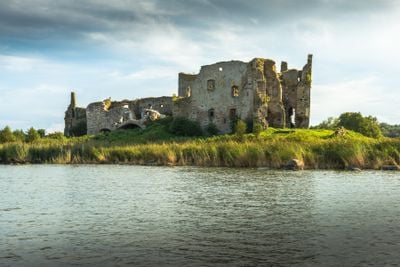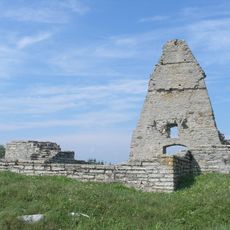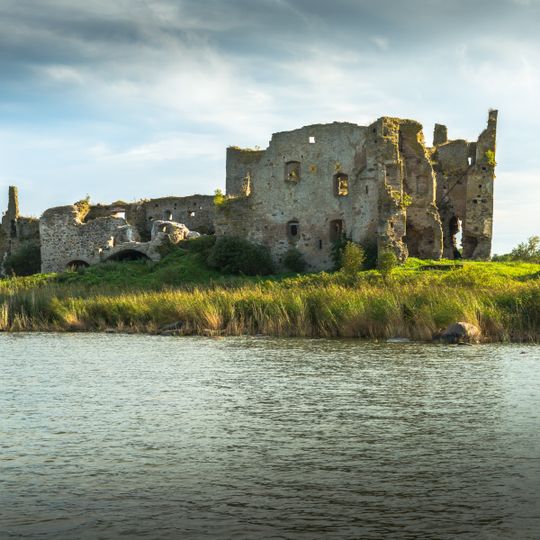
Toolse Castle, Medieval castle ruins near the Baltic coast in Haljala Rural Municipality, Estonia.
Toolse Castle stands as a ruined fortress along the Baltic coast in Estonia, with stone walls and defensive towers that still bear traces of their medieval origins. The remains can be reached from the land and offer visitors a clear view of the medieval fortification layout.
The castle was built in 1471 by the Livonian Order and became a contested stronghold during regional power struggles. It fell into ruin following its destruction in the early 18th century during the Great Northern War.
The castle walls represent a symbol of foreign control that once dominated this Estonian coastline, and visitors can sense this history as they walk among the stones.
The ruins are open and accessible year-round without special equipment needed, as the pathways are maintained and safe. Visitors should be aware that the exposed coastal location means wind can be strong, especially during stormy weather.
During winter months, natural ice formations develop around the castle when seawater freezes over submerged rocks, creating unusual cone-shaped structures of ice. This seasonal display offers a rare sight that only winter visitors have the chance to witness.
Location: Haljala Rural Municipality
Inception: 1471
Operator: SA Virumaa Muuseumid
Opening Hours: 24/7
Phone: +3723225500
Website: http://haapsalulinnus.ee
GPS coordinates: 59.53467,26.46843
Latest update: December 6, 2025 17:43
Estonia showcases limestone cliffs, medieval castle ruins, flowing waterfalls, and protected wild areas. This collection includes the Kõpu Lighthouse built in 1531 on Hiiumaa Island, the submerged stone quarries of Rummu, and numerous manor houses from the 1800s. Natural features include meteorite impact craters at Kaali, red sandstone cliffs at Taevaskoda, and extensive wetland systems that define much of the landscape. The collection brings together history and nature across the country. Medieval ruins like Toolse and Laiuse castle stand as reminders of Estonia's past, while Orthodox cathedrals and old mills reveal the region's diverse heritage. Natural attractions include waterfalls, coastal bluffs, and bog lands that draw visitors interested in walking and observing the landscape. From Tartu to the eastern coast, these places show how Estonia's geography and history intertwine. Museums set in historic houses, maritime displays in fishing villages, and waterways through nature reserves all demonstrate how culture and landscape have shaped each other over time.
Ehalkivi
6.9 km
Vihula Manor
16.2 km
Malla manor
7.7 km
Haljala Church
16.1 km
Vanamõisa manor, Haljala Parish
18.2 km
Arkna manor
16.5 km
Kohala Manor
13.7 km
Kunda Church
5.1 km
Viru-Nigula Church
15.9 km
Vasta manor
15.1 km
Kaarnakivi
12 km
Kunda-Aru quarry
10.1 km
Maarja kabel
16.6 km
Letipea Lighthouse
8.1 km
Pada Hillfort
17.7 km
Vainupea light beacon
12.8 km
Ubja Oil Shale Quarry
14.3 km
Padaoru mänd
17.8 km
Vainupea Chapel
12.3 km
Kloodi Pahnimägi
17.7 km
Vihula koopad
15.9 km
Kunda rear light beacon
5.9 km
Vihula Manor Park
16.1 km
Stone cross in Viru-Nigula churchyard
15.9 km
Vihula manor gateposts
16.6 km
Vihula manor windmill
16.6 km
Haljala Churchyard
16.1 km
Vihula manor coffeehouse
16.1 kmVisited this place? Tap the stars to rate it and share your experience / photos with the community! Try now! You can cancel it anytime.
Discover hidden gems everywhere you go!
From secret cafés to breathtaking viewpoints, skip the crowded tourist spots and find places that match your style. Our app makes it easy with voice search, smart filtering, route optimization, and insider tips from travelers worldwide. Download now for the complete mobile experience.
A unique approach to discovering new places❞
— Le Figaro
All the places worth exploring❞
— France Info
A tailor-made excursion in just a few clicks❞
— 20 Minutes