Cardedeu, municipality in Catalonia, Spain
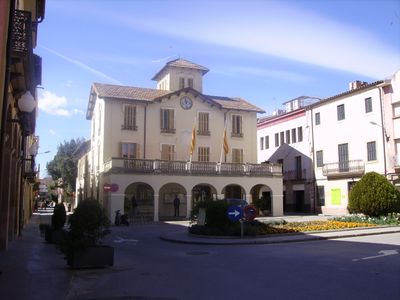
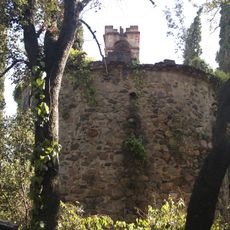
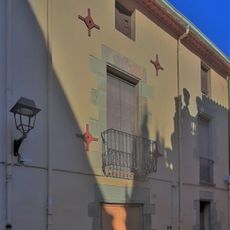
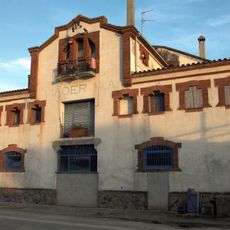
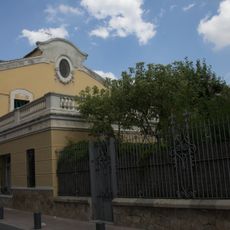
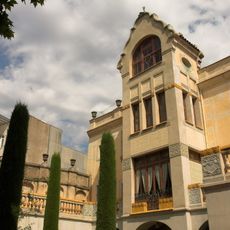
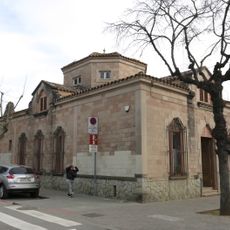
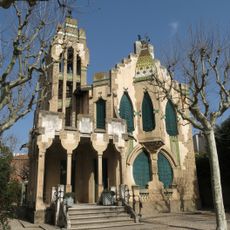
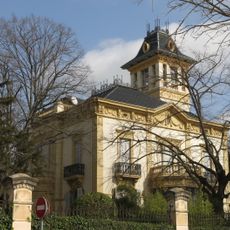
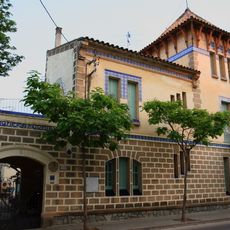
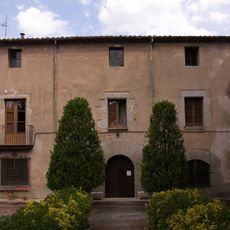
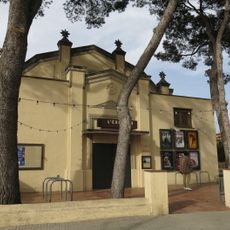
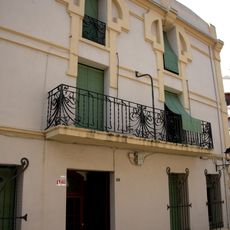
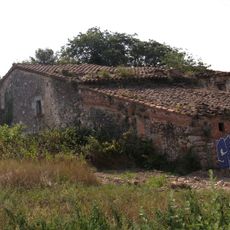
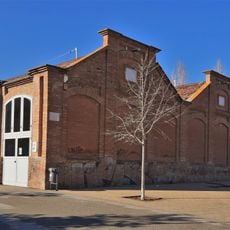
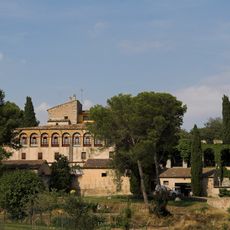
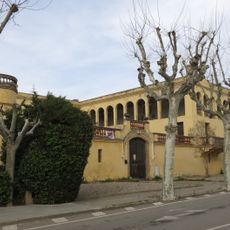
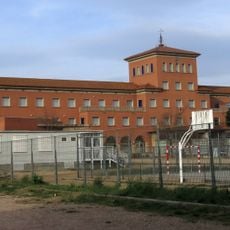
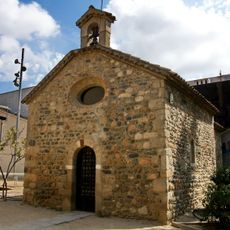
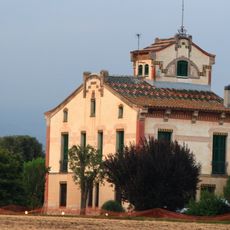
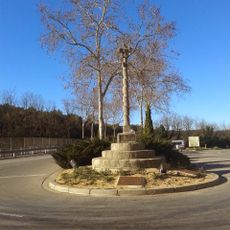
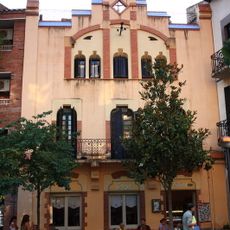
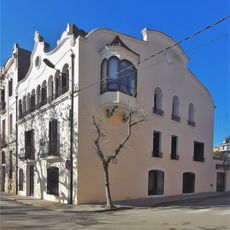
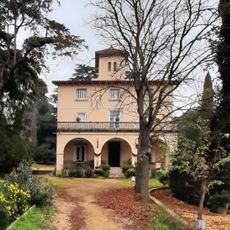
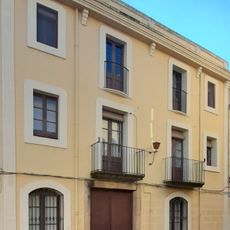
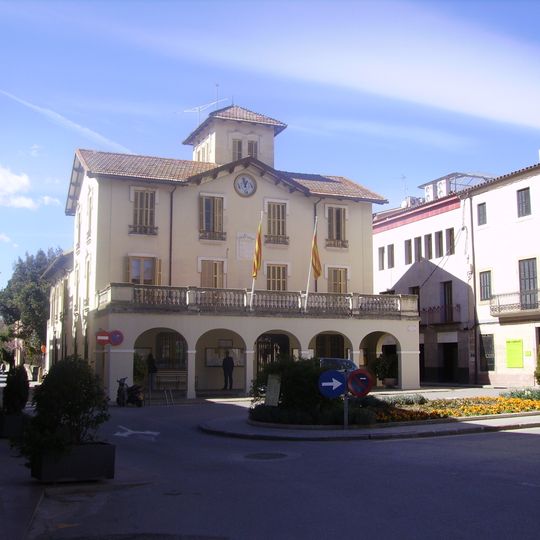
Cardedeu is a town in the Vallès Oriental region of Catalonia, situated in a natural valley that has connected inland and coastal areas for many centuries. The streets show a mix of older buildings with stone walls and simple designs alongside newer structures that tell the story of growth over time.
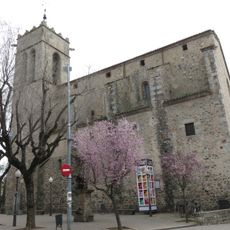
The first written mention of Cardedeu dates to 941, when it was called Carotitulo, and the church of Santa Maria first appears in records around 1012. In 1272, King Jaume I granted it market rights and fortification privileges, making it an active trading center.
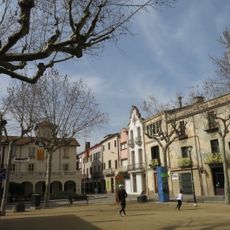
The name Cardedeu may come from words meaning "stone of the spring," showing the place's connection to natural features. The streets today feature historic buildings, arches, and shops that reflect its role as a trade and gathering point over the centuries.
The town sits conveniently on a natural route between Barcelona and France and is easily reached by train, which has run through it since the 19th century. The streets are walkable and connect different neighborhoods, making it simple to navigate and explore various parts of the town.
The town was the site of a significant battle during the Napoleonic Wars in 1810 between French and Spanish troops, a key moment in the siege of Barcelona. This historical confrontation was even documented by French artists like Langlois and remains an important chapter in European military history.
The community of curious travelers
AroundUs brings together thousands of curated places, local tips, and hidden gems, enriched daily by 60,000 contributors worldwide.