Castell de Bestracà, cultural property in Camprodon, Spain
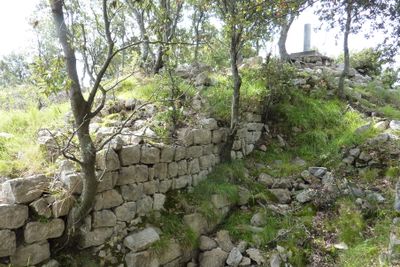
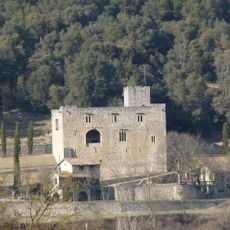
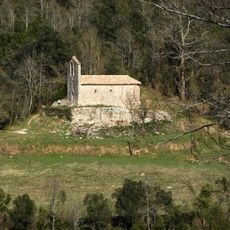
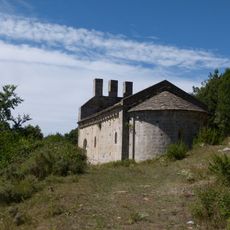
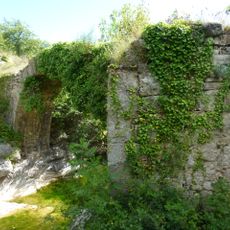
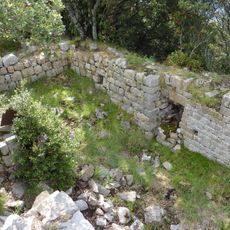
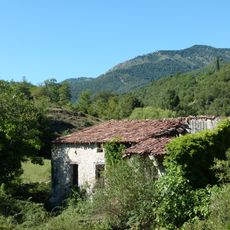
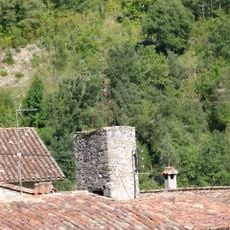
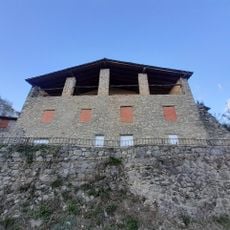
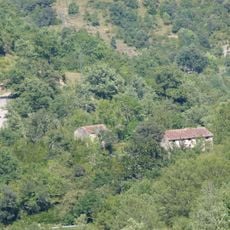
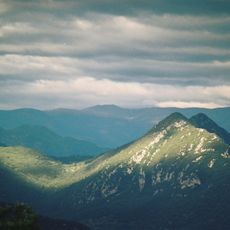
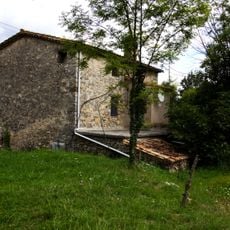
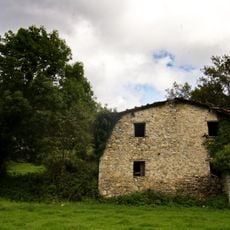
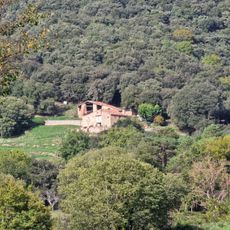
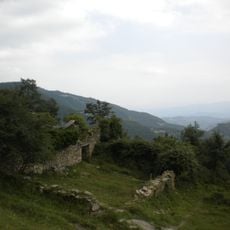
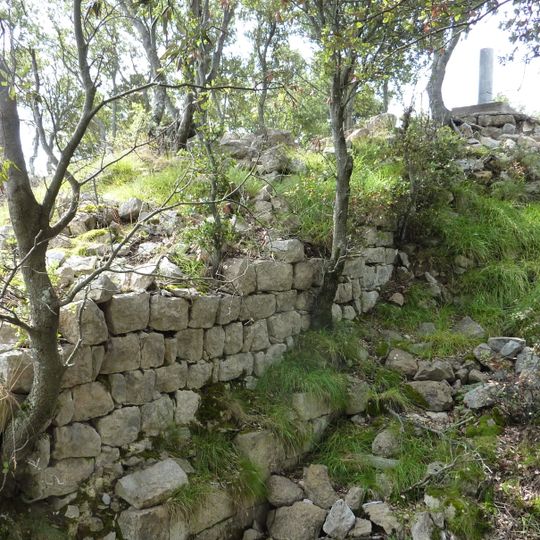
Castell de Bestracà is a small medieval fortress perched high on a rocky hilltop above the Beget valley. The ruins consist of weathered limestone walls with some sections still standing, revealing where different parts of the structure once functioned.
The fortress was built during the 11th and 12th centuries as a watchtower in the region's defensive network. In 1462, it was attacked and looted by rebel peasants called the remences, an event that hastened its decline and eventual abandonment.
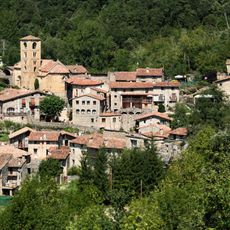
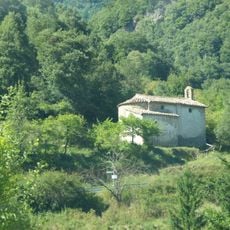
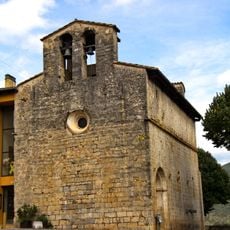
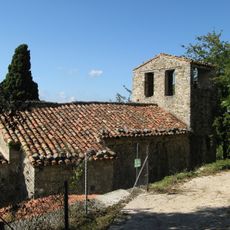
The name Bestracà comes from a medieval family who held power over these lands, and locals still use it for both the mountain and the fortress above. Near the ruins stands the small chapel of Sant Julià, where visitors can sense how people once gathered for worship and community life in this remote corner.
Visiting requires sturdy footwear and roughly an hour of walking over uneven, rocky ground from the nearest villages. Best to explore in daylight and good weather, bringing water and suitable mountain clothing since there are no facilities on site.
Archaeological digs have revealed a wooden watchtower once stood at this spot before the stone fortress was built. A circular hole in the rock still marks where this earliest defensive structure was anchored.
The community of curious travelers
AroundUs brings together thousands of curated places, local tips, and hidden gems, enriched daily by 91,402 contributors worldwide.