Salinas Espartinas, cultural property in Ciempozuelos, Spain
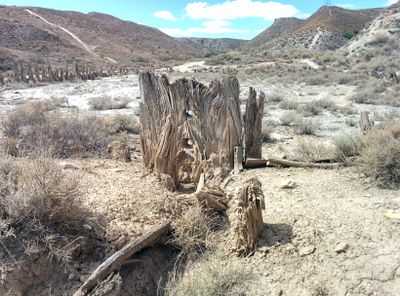
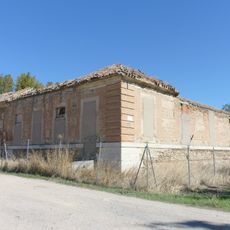
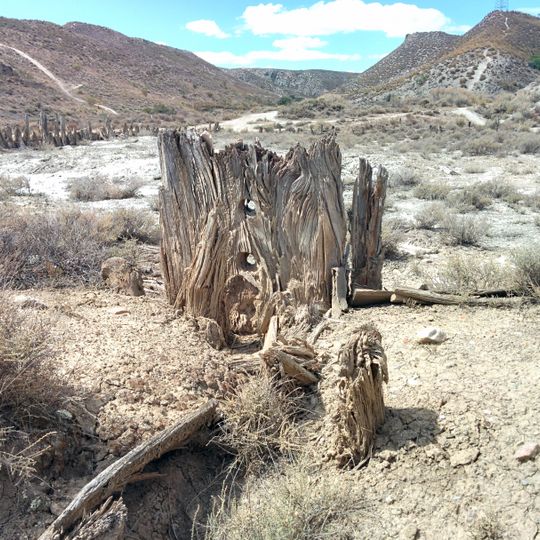
Salinas Espartinas is an ancient salt extraction site in Ciempozuelos where water flows through underground galleries dissolving minerals in the rock. The saline solutions collect in shallow ponds where evaporation leaves salt deposits behind, and the remains of these basins and galleries are still visible across the landscape.
Salt extraction at this site dates back to the Bronze Age or even earlier and continued continuously until about 50 years ago. In 1826, the mineral Thenardite was discovered here, and the site was officially protected as a cultural monument in 2006.
Local workers harvested salt here for centuries using simple methods that shaped community life and economy. This craft remains part of the region's identity, and many locals still take pride in the historical importance of this salt production.
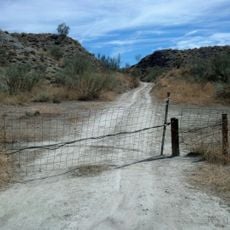
The site is accessible by dirt path but requires caution since abandoned underground galleries are structurally unstable and potentially dangerous. Visitors should come well prepared and stay on marked paths to ensure their safety.
Excavations from 2001 to 2002 revealed prehistoric ceramics and more than twenty mysterious caves that may have served ceremonial or burial purposes. The mineral Thenardite, named after a scientist's mentor, was first identified here in 1826, making this place important for mineralogy as well.
The community of curious travelers
AroundUs brings together thousands of curated places, local tips, and hidden gems, enriched daily by 60,000 contributors worldwide.