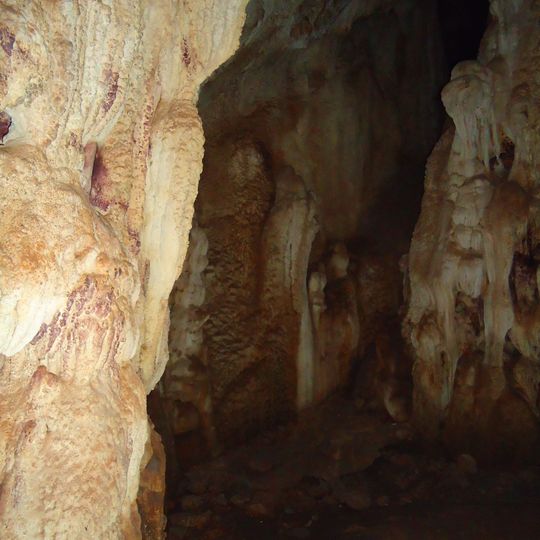
Cueva de la Pileta, Paleolithic cave system in Benaoján, Spain
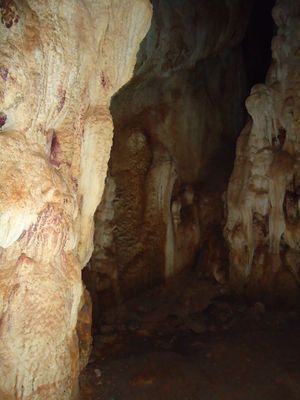
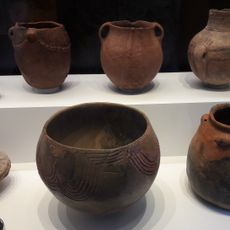
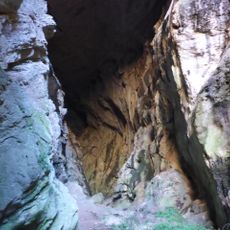
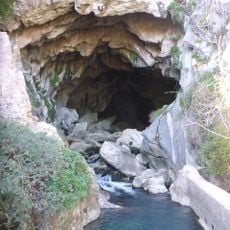
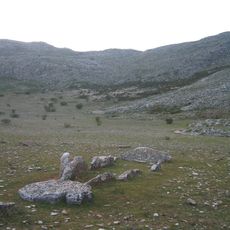
Cueva de la Pileta is a limestone cave system in Benaoján, Spain, that runs through several chambers with black, red, and yellow animal paintings, symbols, and geometric forms on the walls. The passages lead deep into the mountain and show prehistoric art from different periods at various points.
José Bullón Lobato found the cave in 1905 while looking for bat droppings, which led to archaeological studies by the French researcher Henri Breuil. Since then, the care and protection of this national monument have remained with the descendants of José Bullón.
The walls display more than 134 separate paintings from the Stone Age, showing horses, fish, goats, and deer created between 28000 and 8000 BC. These works show the animals and hunting scenes that mattered to the people who lived here thousands of years ago.
Visitors need to book ahead because groups are limited to 20 people, with guided walks between 10 in the morning and 1 in the afternoon every day. The temperature inside stays cool all year, so warm clothes and sturdy shoes are recommended for the uneven paths.
The care and protection of this site have stayed with the Bullón family since the discovery, keeping a direct connection across more than a century. This family stewardship brings a personal touch to the tours, often passing on details and stories about the cave that might otherwise be lost.
The community of curious travelers
AroundUs brings together thousands of curated places, local tips, and hidden gems, enriched daily by 90,827 contributors worldwide.