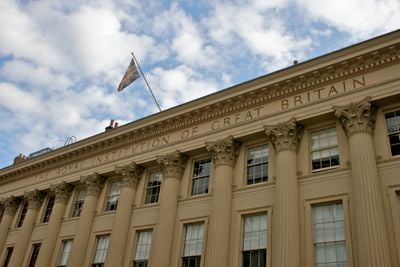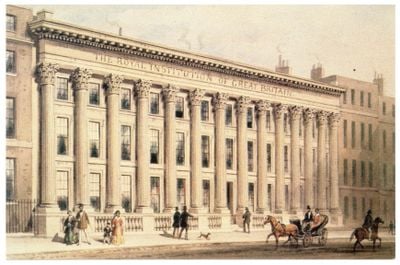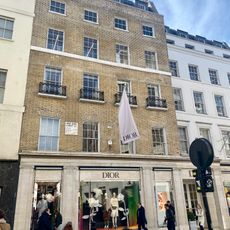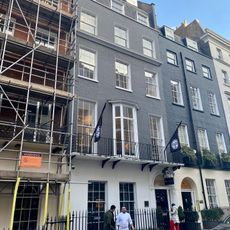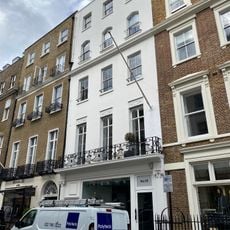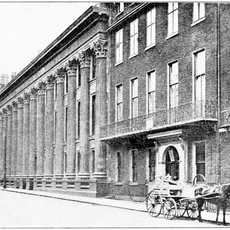
Royal Institution, Scientific society in Mayfair, City of Westminster, United Kingdom.
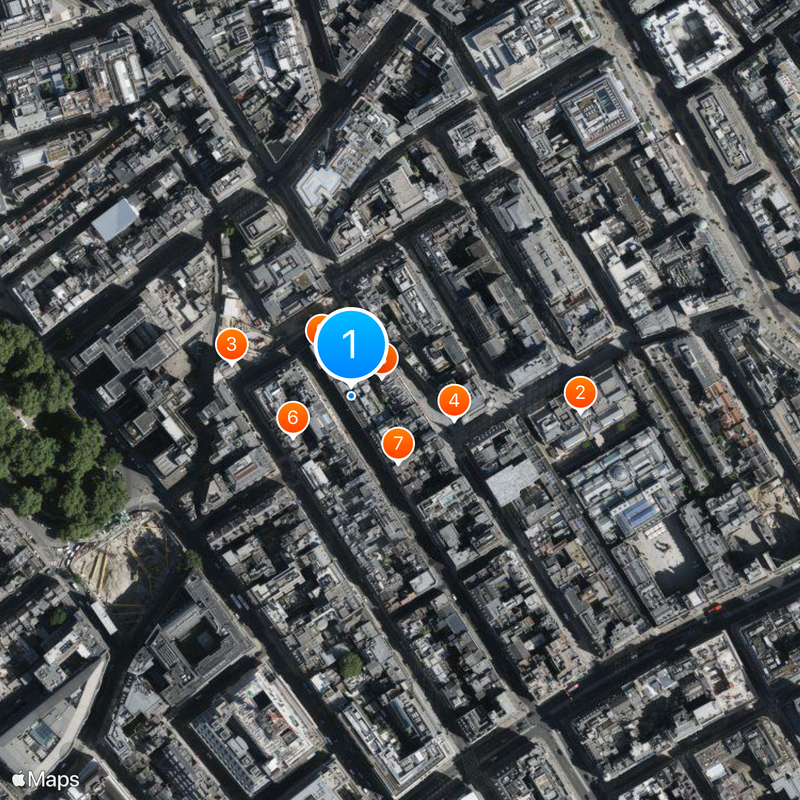
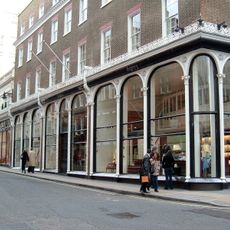
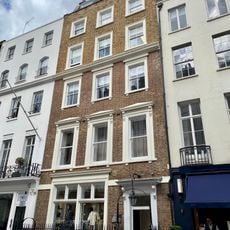
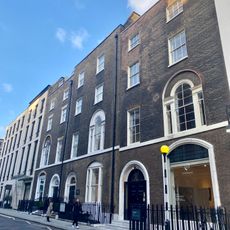
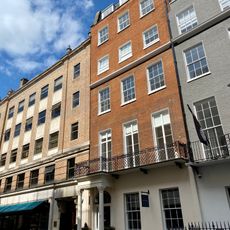
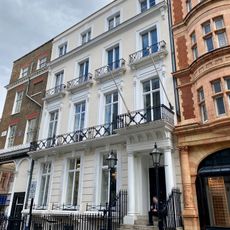
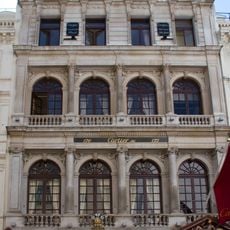
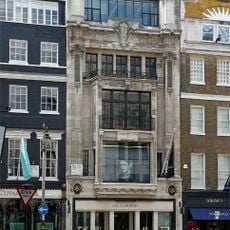
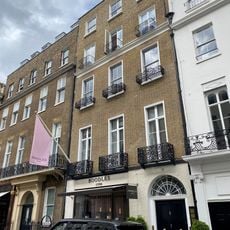
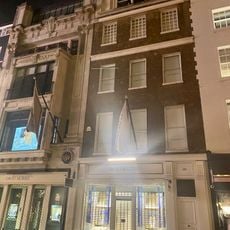
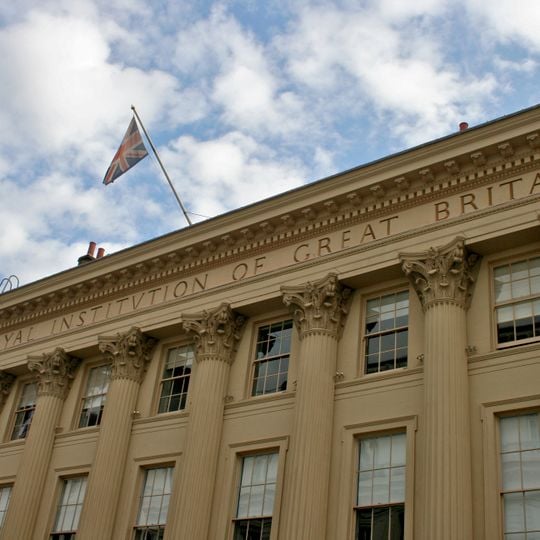
The Royal Institution operates from a townhouse at 21 Albemarle Street in Mayfair, with a central lecture theatre surrounded by laboratory spaces and exhibition rooms on several levels. The basement holds the Faraday Museum, displaying instruments and apparatus used during groundbreaking experiments conducted within these walls.
Founded in 1799 by a group of British scientists seeking to promote experimental research, the society received its royal charter the following year. Michael Faraday joined as an assistant in 1813 and later directed the laboratory, conducting his pioneering work on electricity and magnetism within these rooms.
The building's lecture theatre preserves its original tiered seating arrangement, which allowed audiences to observe chemistry experiments directly at bench level. This design supported Faraday's practice of demonstrating scientific principles through live, hands-on presentations rather than abstract theory.
The museum area in the basement is reached by stairs and displays original apparatus in small rooms with limited space for visitors. Those interested in the history of science should allow extra time to read the exhibition texts and examine the instruments closely.
Humphry Davy performed public experiments with electrical decomposition here in 1807, isolating potassium and sodium within days of each other. His demonstrations drew large crowds who watched metals appear from molten salts through the application of electric current.
The community of curious travelers
AroundUs brings together thousands of curated places, local tips, and hidden gems, enriched daily by 91,808 contributors worldwide.