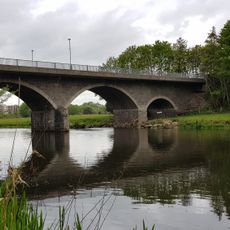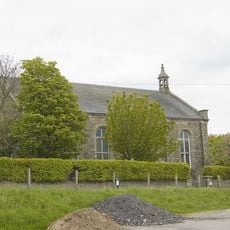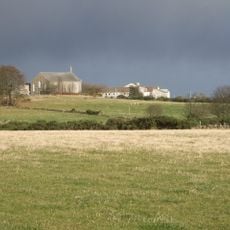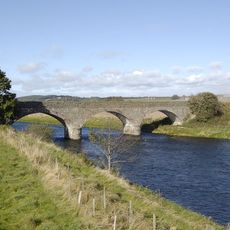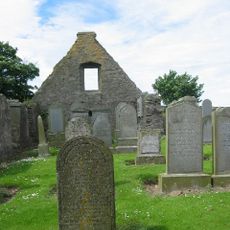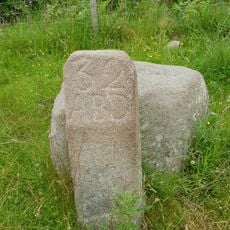
Dyce stones, Pictish stones near St Fergus Chapel, Aberdeen, Scotland
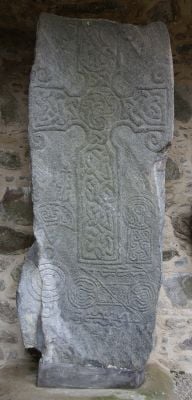
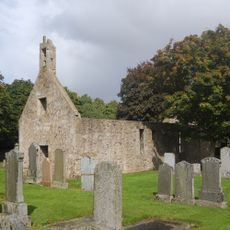
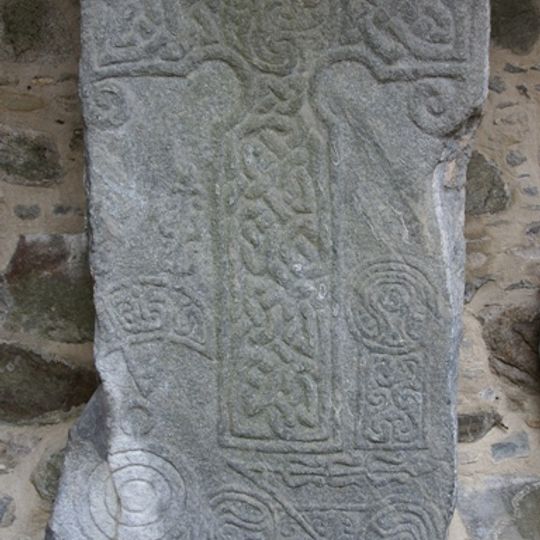
The Dyce stones are two large granite blocks with fine carvings standing at the western end of St. Fergus Chapel overlooking the River Don. They display ancient symbols, patterns, and inscriptions from early medieval Scotland.
The older stone dates to the 6th century and features a water-beast motif, while the younger one from the 7th century bears a cross with interlace patterns. Both were created when Christian and Celtic influences met in Scotland.
The stones display early medieval Scottish art through carved symbols and geometric patterns shaped by Irish missionary influence. The carvings tell of a time when artists recorded their skills in stone.
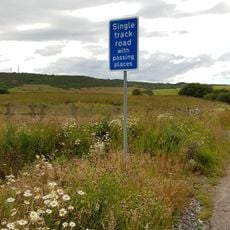
The stones remain accessible year-round within a slate-roofed shelter in a quiet setting. They are easily reached by car or on foot from the nearby village of Dyce.
Modern laser techniques have revealed hidden details in the inscriptions that are barely visible to the naked eye. This enabled experts to understand more about the original meaning and craftsmanship of these ancient objects.
The community of curious travelers
AroundUs brings together thousands of curated places, local tips, and hidden gems, enriched daily by 91,009 contributors worldwide.