Gometra, Island in Argyll and Bute, Scotland
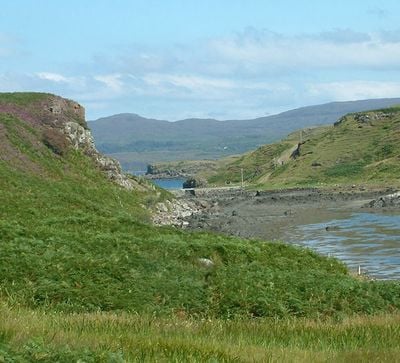
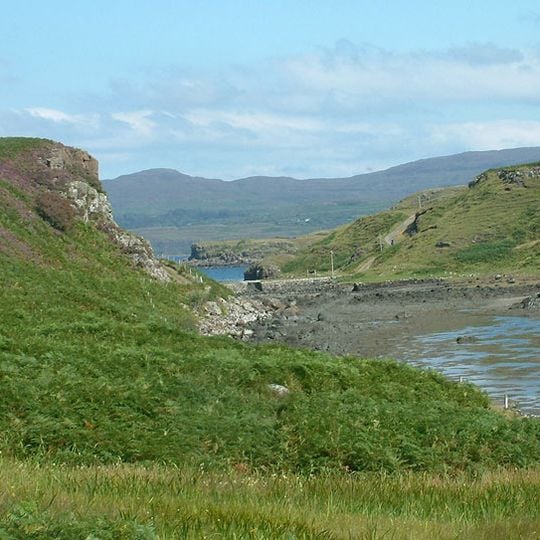
Gometra is a small island in the Inner Hebrides, lying just west of Ulva and connected to it by a bridge. The terrain is mostly open moorland and grass, with a high point at 155 meters (509 feet) and a coastline of dark basalt rock.
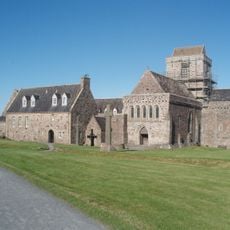
Gometra was part of the Kingdom of the Isles during the Norse era and later belonged to the Iona monastery before passing to the Duke of Argyll. In the 19th century, the island saw clearances, and its population dropped from over a hundred to a handful; since 1991 it has been privately owned.
The island's name comes from Old Norse, meaning "good-man's island" or "God-man's island", a reminder of the Viking influence on the Hebrides. Today, the few residents live off-grid, and the island issues its own local carriage stamps, a small tradition that visitors can see on mail.
Access is via a bridge from Ulva, followed by a ferry from Mull to Ulva; the walk from the bridge to the houses takes about an hour on foot. The island has no shops or public buildings, so bring everything you need and check tide times if you plan to cross the beach.
For a time, the island was home to Hugh Ruttledge, who led two British expeditions to Mount Everest in the 1930s while living here. The island also has its own stamps, which are used on mail sent from Gometra.
The community of curious travelers
AroundUs brings together thousands of curated places, local tips, and hidden gems, enriched daily by 94,688 contributors worldwide.