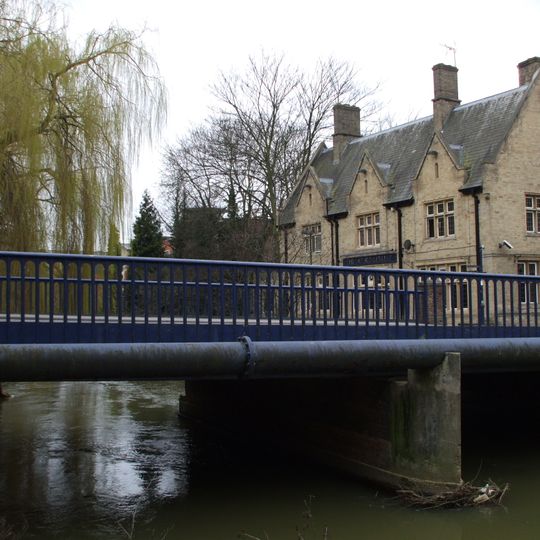
Hythe Bridge, Cast iron bridge in central Oxford, England
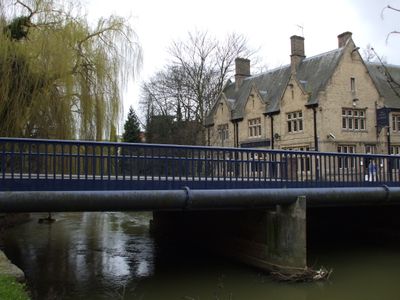
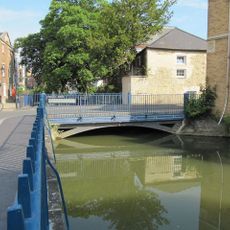
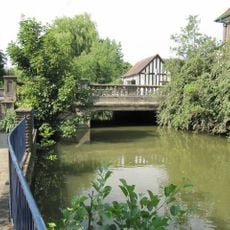
Hythe Bridge is a Victorian cast iron structure spanning Castle Mill Stream, a side channel of the River Thames in Oxford. It links Hythe Bridge Street with the city center and carries traffic as part of the local road network.
The first bridge at this spot was a wooden structure built between 1200 and 1210 by Oseney Abbey. Later stone versions replaced it until the mid-1800s, when it gave way to the present iron design.
The name comes from the Saxon word 'hithe', which means landing place, pointing to its past role as a wharf where goods were loaded and unloaded. This origin tells of a time when water trade shaped how Oxford developed.
The bridge is easy to reach on foot and sits at a crossroads in the western part of the city center. Visitors can walk across it at any time or view it from the banks of the waterway below.
Engineer John Galpin designed the current structure in 1861, replacing older versions that had linked Oxford to its western districts. His design brought Victorian engineering style to a practical crossing that remains in daily use.
The community of curious travelers
AroundUs brings together thousands of curated places, local tips, and hidden gems, enriched daily by 91,283 contributors worldwide.