Oxford, University city in Oxfordshire, England.
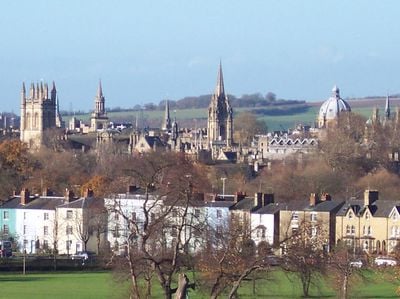
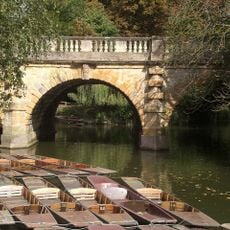
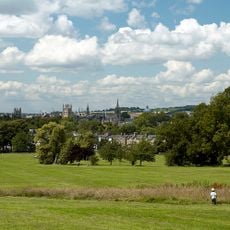
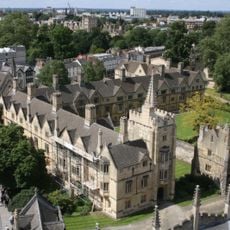
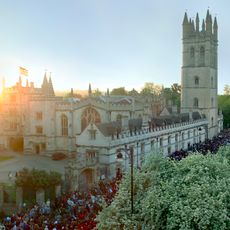
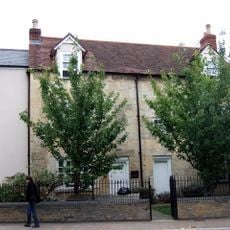
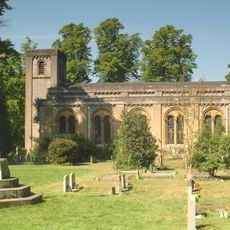
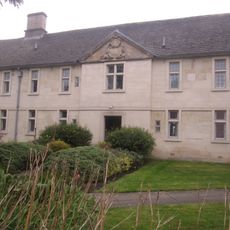
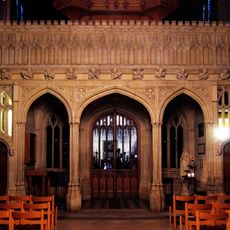
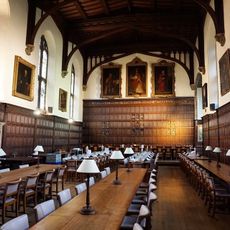
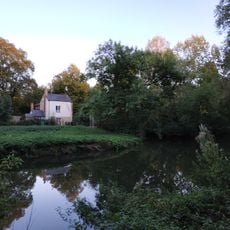
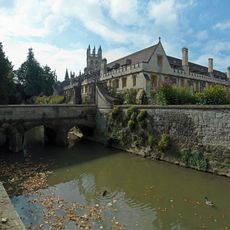
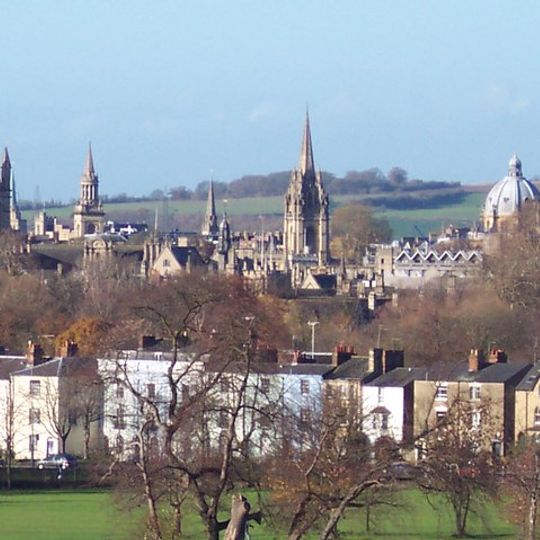
Oxford sits at the meeting point of the Thames and Cherwell rivers and is defined by numerous stone colleges and narrow streets in the city center. Each college is surrounded by high walls and contains gardens, chapels, libraries, and dining halls that make up much of the urban space.
The city emerged from Saxon settlements in the 8th century but gained importance when the university was founded in 1096 and began teaching. From the medieval period onward, colleges developed as independent units, with some still standing from that era today.
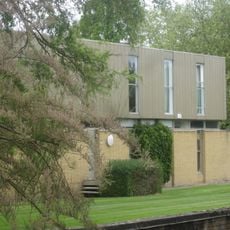
The college system shapes daily life here, with large gates and courtyards that remain private to members, yet the architecture and student life are visible throughout the streets. This structure creates a divided world within the city, where historic buildings sit next to modern facilities.
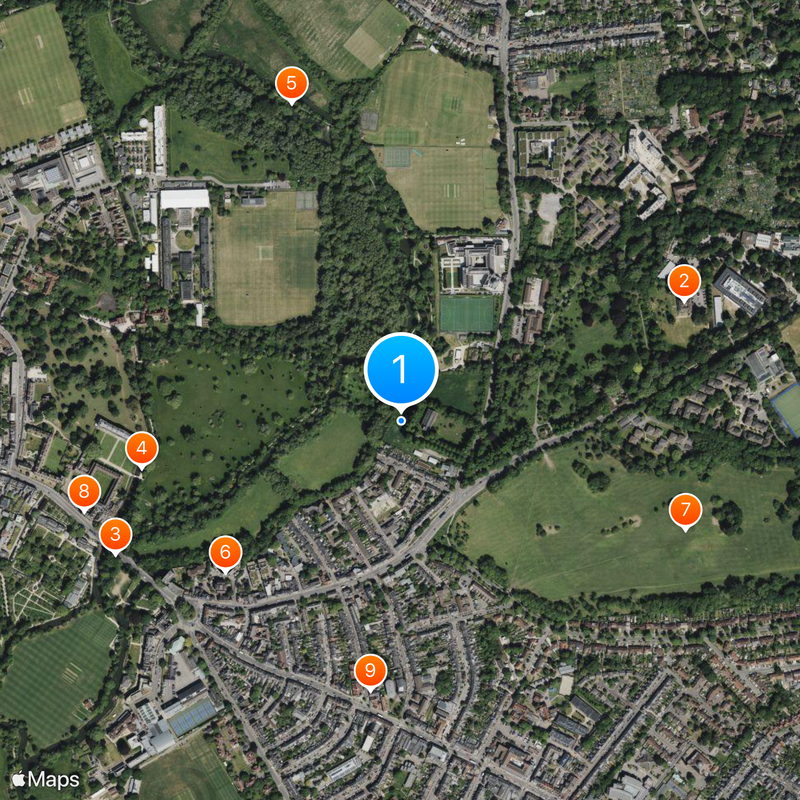
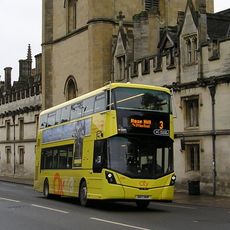
Park-and-ride facilities at the edge of the city allow visitors to leave their cars and take a bus to the center, making it easy to explore without worrying about parking. The city center is walkable, with most main attractions within short distances of each other.
The Bodleian Library is entitled by law to receive a copy of every book published in the United Kingdom, making it one of the world's largest collections. This right is shared with only five other libraries across Britain and Ireland.
The community of curious travelers
AroundUs brings together thousands of curated places, local tips, and hidden gems, enriched daily by 91,542 contributors worldwide.