Heligan estate, English country house in Cornwall, England.
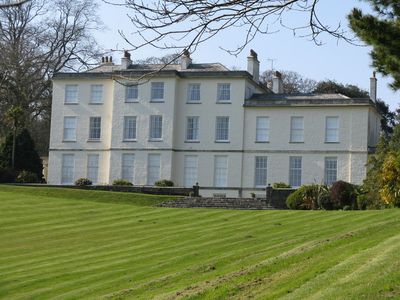
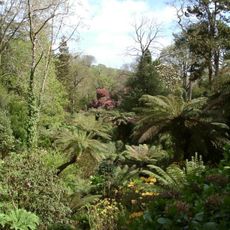
Heligan House is a brick-built residence on a hilltop in southwest Cornwall, overlooking the fishing village of Mevagissey. The grounds around it include woodland, farmland, and working areas where rare livestock breeds are kept.
The Tremayne family acquired the estate in 1569 and built the current house in 1692, following the architectural style of the William and Mary period. After the First World War, the workforce left and the gardens were left untouched for decades.
The name Heligan comes from the Cornish language and means something like "willows". Cornwall has its own language and identity, and names like this one are a reminder of that local roots still visible across the landscape.
The grounds can be explored on foot along paths that work for a range of fitness levels, allowing visitors to set their own pace. Sturdy footwear is a good idea, as the ground can change with the season and recent rain.
The estate has one of the last working pineapple pits in Europe, where tropical fruit is grown using heat produced by decomposing manure. This method was used for centuries and shows how gardeners found ways to grow exotic plants in a cold climate.
The community of curious travelers
AroundUs brings together thousands of curated places, local tips, and hidden gems, enriched daily by 92,425 contributors worldwide.