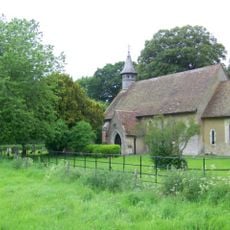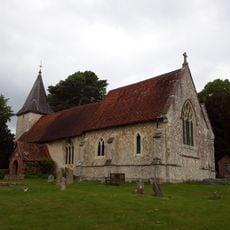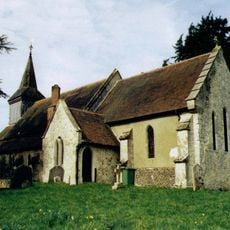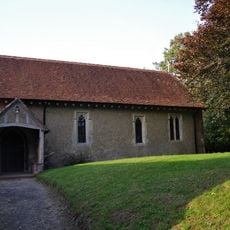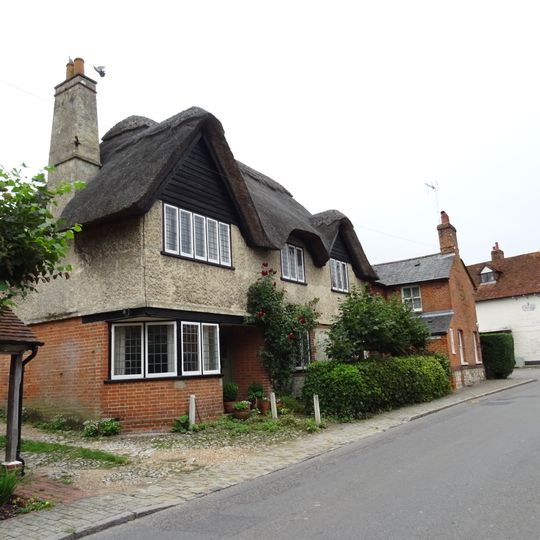
Plestor House, Grade II listed building in Selborne, England
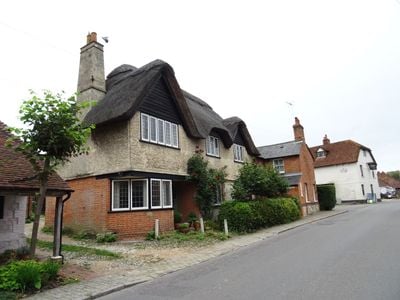
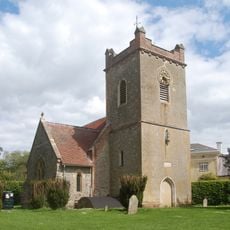
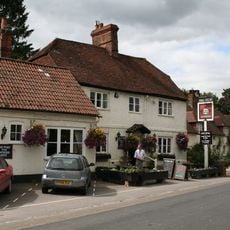
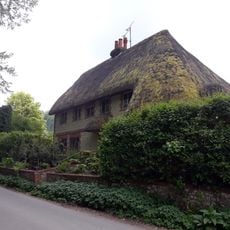
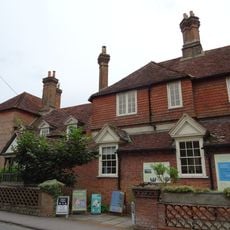
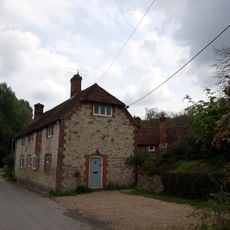
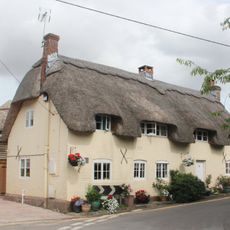
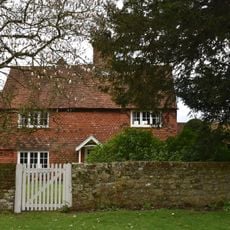
Plestor House is a listed building in Selborne with two distinct construction periods visible in its structure. The older medieval wing faces the village green, while a later addition from the 1700s extends the building into an L-shaped form.
The oldest section dates to the early 14th century, shown by fire-blackened roof timbers that have survived through the centuries. Construction of the newer wing occurred in 1783, completing the building as it appears today.
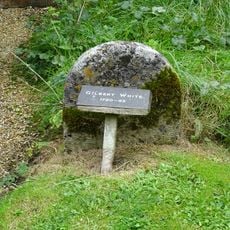
The building appears in an illustration within Gilbert White's 1789 publication 'The Natural History and Antiquities of Selborne', documenting local heritage.
The building sits in central Selborne near The Plestor, a historic gathering space whose name comes from Saxon words meaning play space. It can be easily found on foot and lies along the main village pathway.
Archaeological digs in the cellar uncovered Tudor-era bricks damaged by fire, suggesting an earlier structure was destroyed on this same site. This discovery reveals the ground has a longer story of occupation than the standing building itself.
The community of curious travelers
AroundUs brings together thousands of curated places, local tips, and hidden gems, enriched daily by 60,000 contributors worldwide.