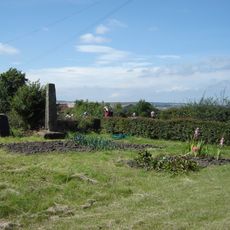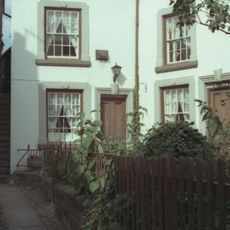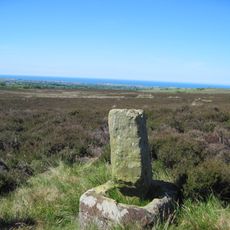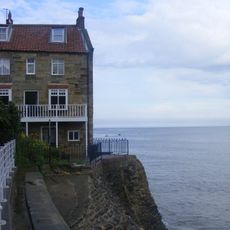
Robin Hood's Bay, village in Fylingdales, North Yorkshire, United Kingdom
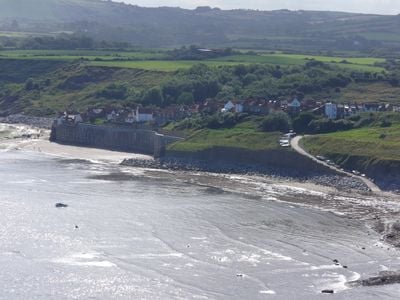
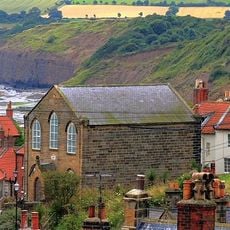
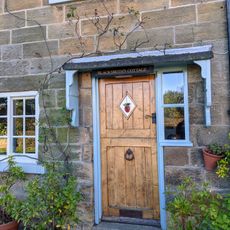
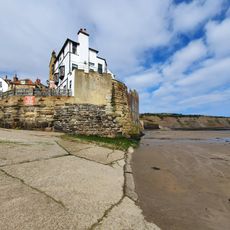
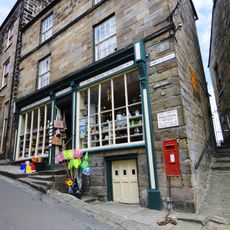
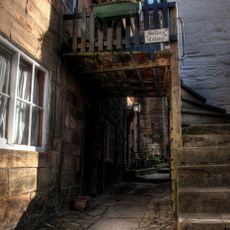
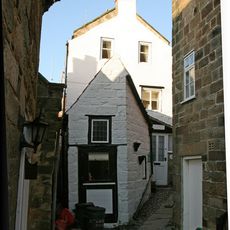
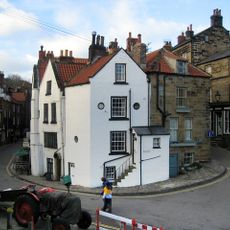
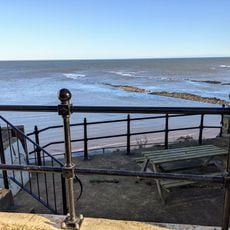
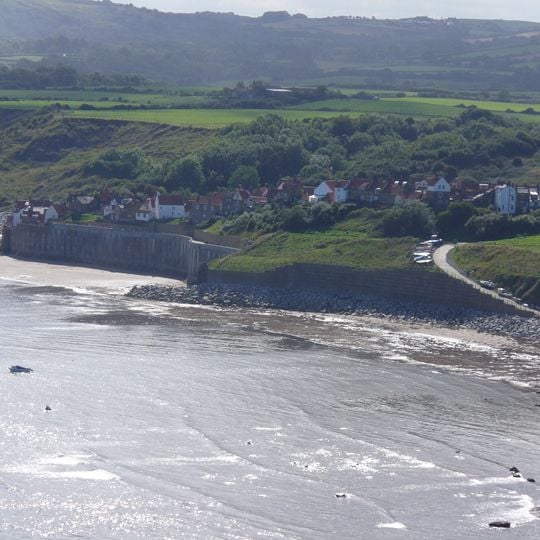
Robin Hood's Bay is a small fishing village on England's coast that descends steeply to the sea. The houses are built from dark stone with slate roofs, the streets wind narrowly between buildings, and old fishing boats are still visible throughout the bay.
The site became known through Roman soldiers who built a signal tower at nearby Ravenscar, but permanent settlement began with Saxon farmers and fishermen. By the 1500s it had grown into an important port, and in the 1700s it became famous for smuggling, with hidden tunnels and organized operations to bring in contraband goods.
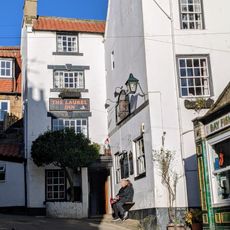
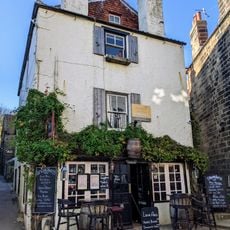
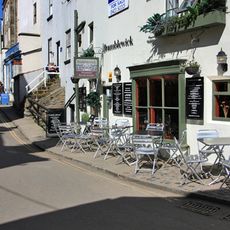
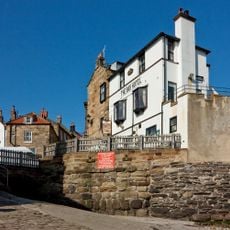
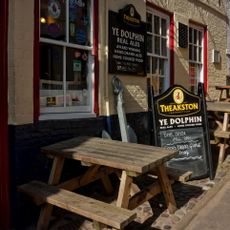
The village name Robin Hood's Bay connects to old legends and stories tied to this place, though any link to the famous outlaw remains unclear. Local residents keep these traditions alive through stories, historic inns like the Robin Hood and Little John, and their deep ties to the sea.
The best time to explore is at low tide when you can see fossils in the rocks and tide pools fill with sea creatures. Parking is limited, so arriving early helps you find a spot and walk through the narrow streets comfortably.
The area is known for its fossils found in layers of limestone and shale that are millions of years old. This geological history makes fossil hunting at low tide an interesting experience for visitors wanting to explore ancient traces.
The community of curious travelers
AroundUs brings together thousands of curated places, local tips, and hidden gems, enriched daily by 91,711 contributors worldwide.