See the monuments around you in AROpen chests in the app
Around Us is built for your phone — point your camera at the streets and discover the monuments and places around you in augmented reality.Around Us is built for your phone — chests unlock when you walk, explore and capture nearby places.
Yorkshire and the Humber : historic towns, national parks and northern coasts of England
Yorkshire and the Humber brings together different sides of northern England. York shows its medieval walls, narrow streets with timber houses, and a gothic cathedral. Leeds and Sheffield show their past as centers of industry, with old factories turned into museums and new neighborhoods. Hull, facing the North Sea, keeps signs of its history as a port.
The region extends beyond the cities. The Yorkshire Dales and North York Moors parks reveal open moorlands, valleys shaped by rivers, and villages made of stone. On the coast, Whitby has red brick houses looking out to sea, while the remains of a monastery overlook the bay. Large houses like Castle Howard or Fountains Abbey remind visitors of the families and monks who shaped this land.
This list of 40 places covers different times in the history of the region, from the Viking age to the industrial age and through the Middle Ages. Each site tells its own story: Norman castles, Cistercian monasteries, railway museums, landscaped gardens. Together, they show a picture of Yorkshire with old buildings and natural spaces both sharing the scene.
Yorkshire and the Humber : historic towns, national parks and northern coasts of England
Yorkshire and the Humber brings together different sides of northern England. York shows its medieval walls, narrow streets with timber houses, and a gothic cathedral. Leeds and Sheffield show their past as centers of industry, with old factories turned into museums and new neighborhoods. Hull, facing the North Sea, keeps signs of its history as a port.
The region extends beyond the cities. The Yorkshire Dales and North York Moors parks reveal open moorlands, valleys shaped by rivers, and villages made of stone. On the coast, Whitby has red brick houses looking out to sea, while the remains of a monastery overlook the bay. Large houses like Castle Howard or Fountains Abbey remind visitors of the families and monks who shaped this land.
This list of 40 places covers different times in the history of the region, from the Viking age to the industrial age and through the Middle Ages. Each site tells its own story: Norman castles, Cistercian monasteries, railway museums, landscaped gardens. Together, they show a picture of Yorkshire with old buildings and natural spaces both sharing the scene.
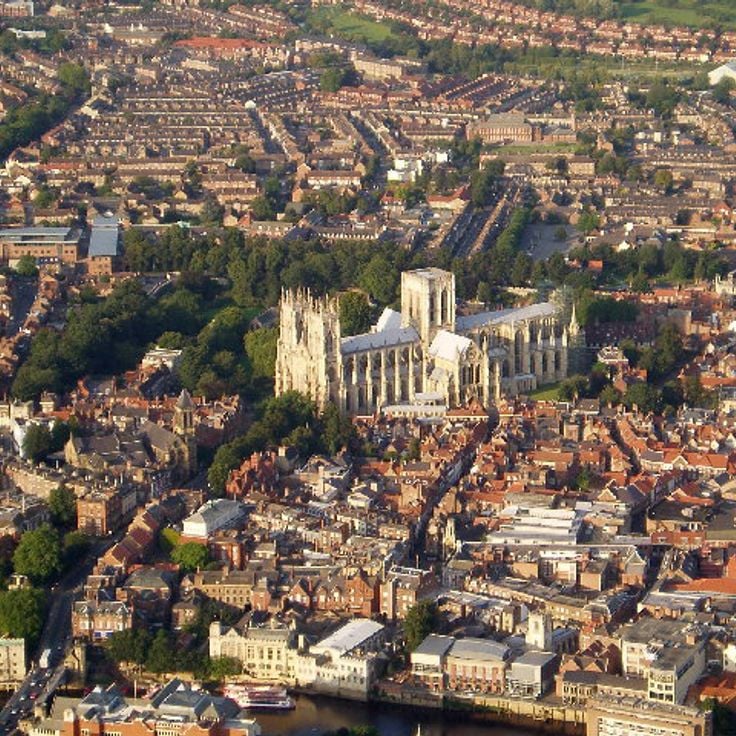
York is the medieval heart of Yorkshire. The city is enclosed by ancient walls that invite visitors to walk along their stone passages. Narrow lanes wind between timber-framed buildings, where shops and cafes occupy the ground floors. A Gothic cathedral rises above the rooftops and dominates the urban skyline. At every corner, traces of different periods emerge: Roman stones, medieval churches, Georgian facades. York lives at a pace that blends its historical past with the daily life of those who inhabit it today.
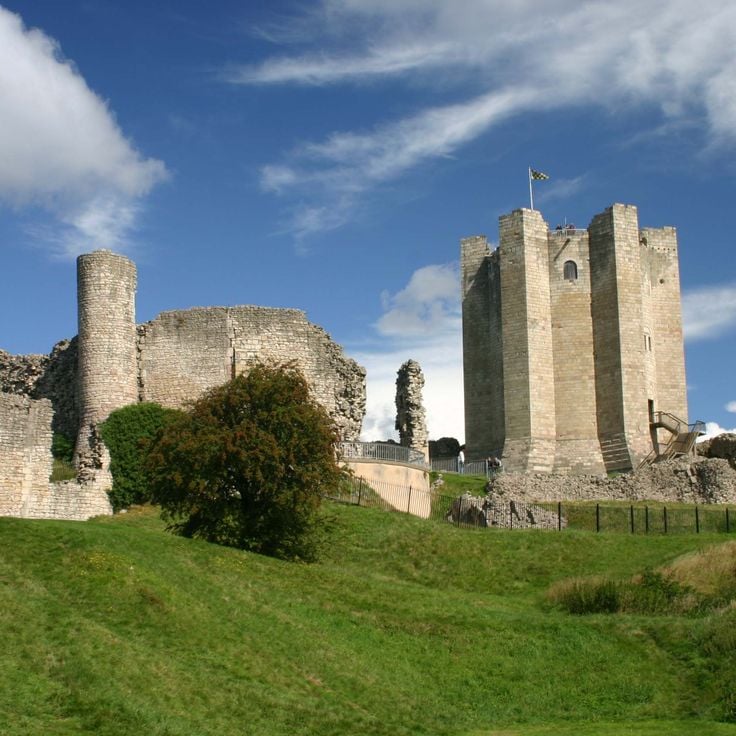
Conisbrough Castle is a 12th-century fortress in South Yorkshire that stands as a reminder of Norman power in England. Its stone tower rises above the ruins, showing how important such structures were to the families who ruled the Yorkshire region. Visitors can explore the remains and climb the tower to understand the strategic role these medieval fortifications played in shaping the landscape and history of the area.
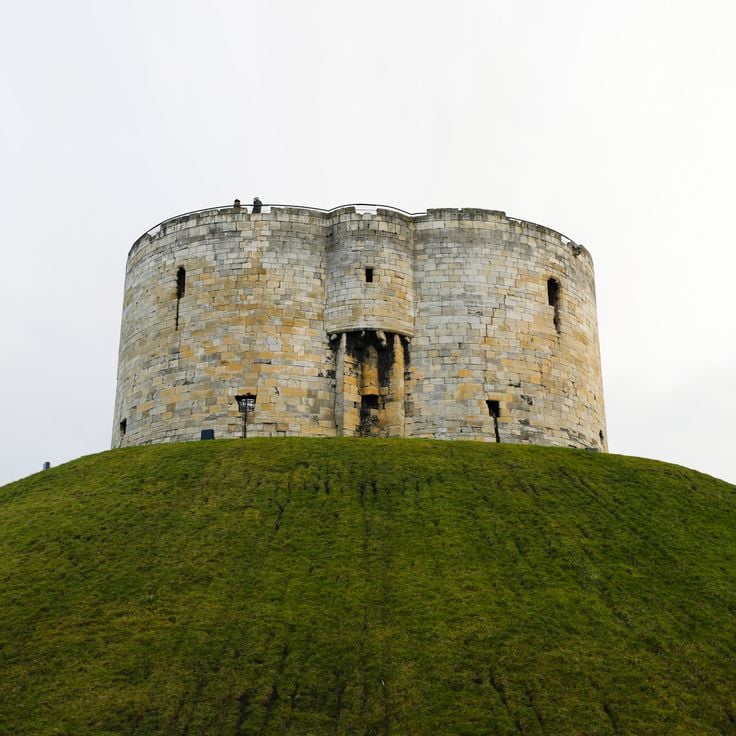
Clifford's Tower is a medieval fortress that rises above the city of York. Built by the Normans in the 11th century, it stands on a mound at the heart of the city. From its top, you can look out over York's historic streets and old walls. The tower was once the seat of royal power and a key defense point for the region. Today, visitors can climb its stairs, enjoy views across York, and learn about the medieval history that shaped this northern city.
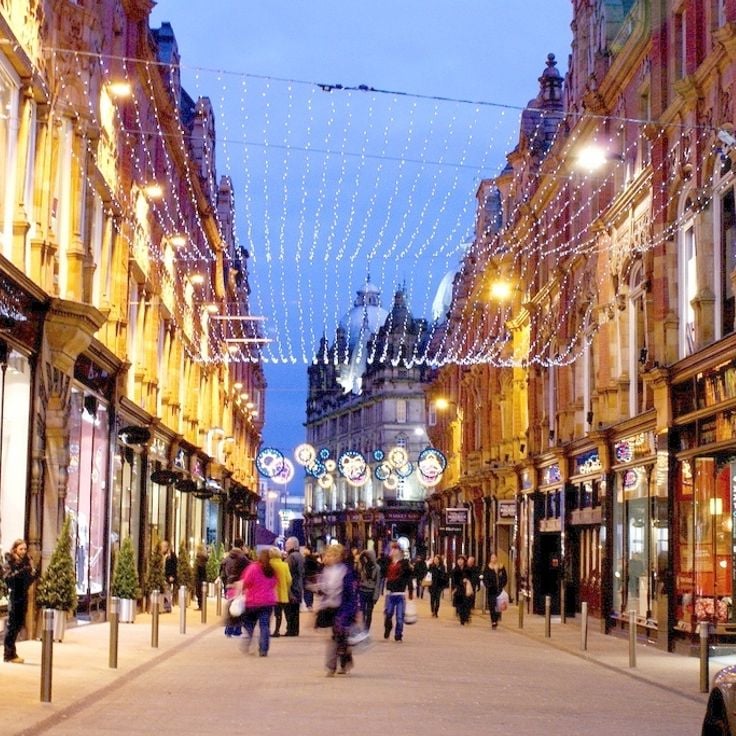
Leeds City Centre shows how an old industrial town has reinvented itself. Victorian buildings stand next to modern structures. Shops, restaurants and galleries fill the streets. The town hall with its dome marks the skyline. Parks offer space to breathe between the buildings. Museums tell the story of the linen and wool trade that once made Leeds prosperous. You feel a city in transformation.
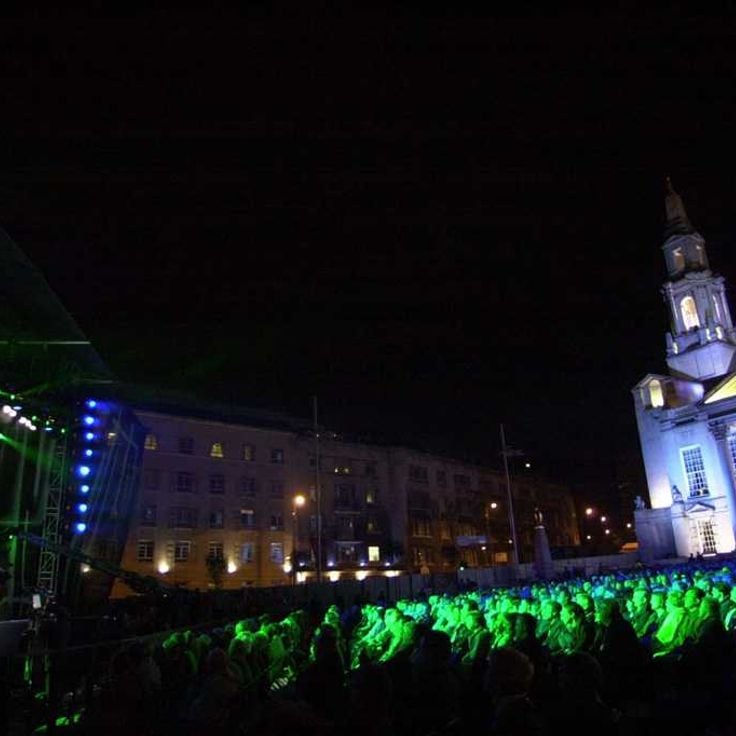
Millennium Square is a public plaza in central Leeds. It reflects the city's transformation after its industrial past. The square invites people to stroll and rest. Museums and cultural venues border its sides. On fine days, locals and visitors gather here. Fountains and contemporary architecture define its character.
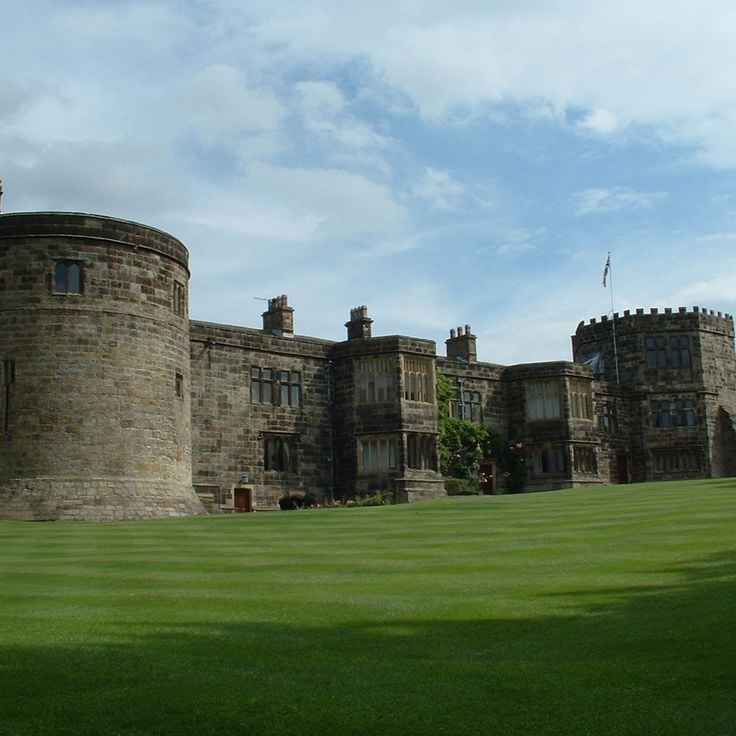
Skipton Castle is a medieval fortress in Skipton, North Yorkshire. The castle preserves its inner courtyard and shows how the nobility lived and displayed their power in the Middle Ages. Visitors can walk through the old rooms and see the thick stone walls and towers that protected the building. The courtyard is surrounded by high stone walls, from which you can observe the different structures arranged around the space. The castle shows a time when such fortresses were essential for controlling the region.
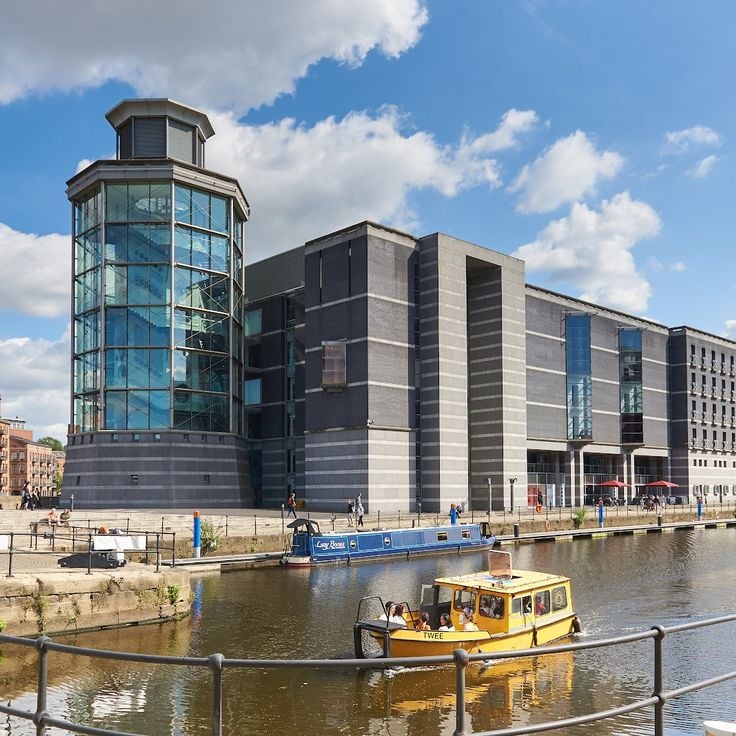
The Royal Armouries Museum in Leeds displays royal armor and military history across the centuries. The museum holds collections of weapons and armor from different periods. Visitors can discover how kings and soldiers were equipped. The building stands by the water in an area of Leeds that was once industrial and has been transformed into a dynamic cultural space. It contributes to understanding the region's industrial past and its transformation.
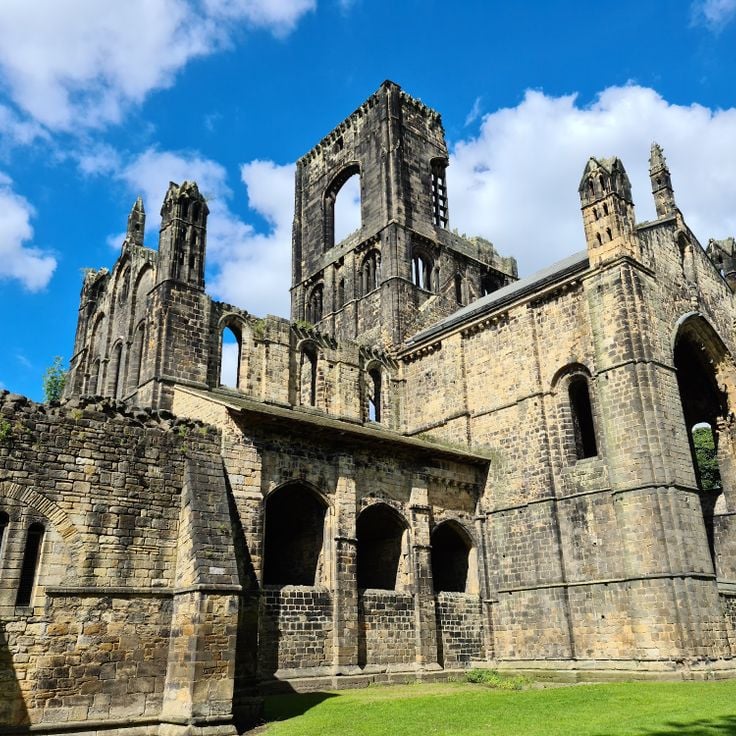
Kirkstall Abbey contains the ruins of a 12th century Cistercian monastery in Leeds. The monastery reveals the power that monastic orders held in medieval Yorkshire. Today, visitors can walk among the remains of the church and the monastic buildings to experience the architecture of that era.
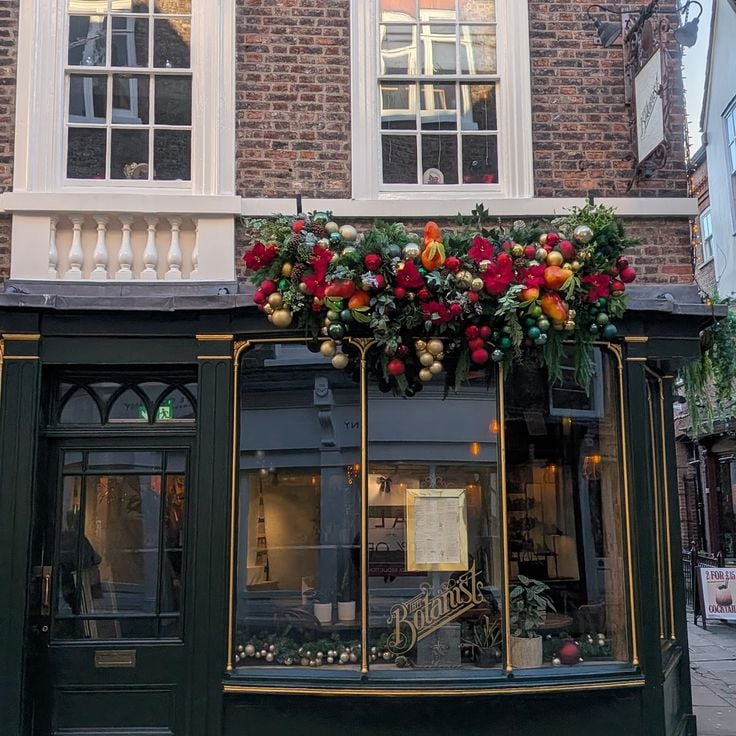
The Shambles is a medieval street in York with well-preserved old buildings. It shows how the city looked in the Middle Ages, with narrow alleys and houses built from wood and stone. It was once the quarter of bakers, and the tight construction preserves this history. As you walk through it, you move through a place that seems to belong to a time long past.
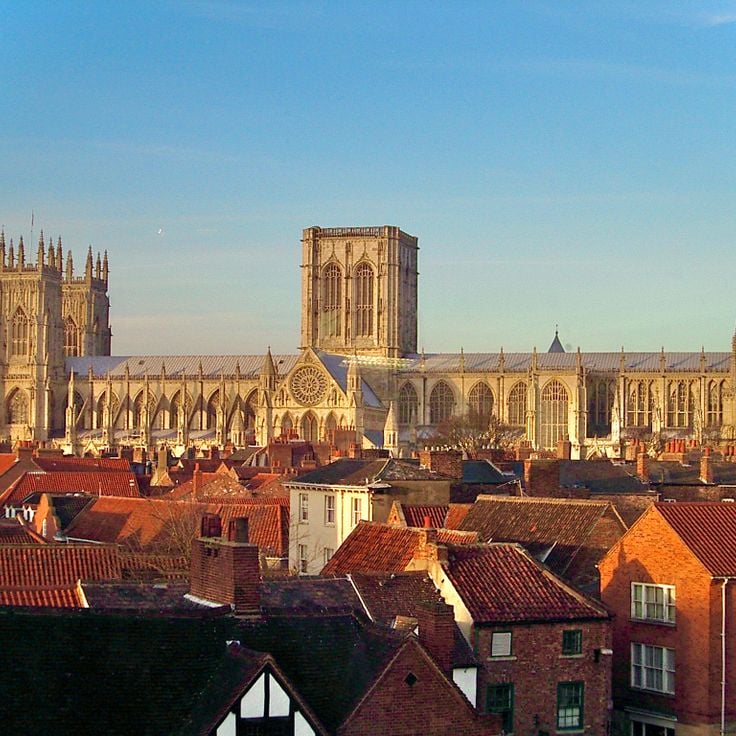
York Minster is a Gothic cathedral that rises above the ancient walls and narrow streets of York. The building was constructed over several centuries and shows different architectural periods. Inside, large windows with stained glass display the evolution of this art form through time. York Minster was important to England's religious history and remains at the heart of city life.
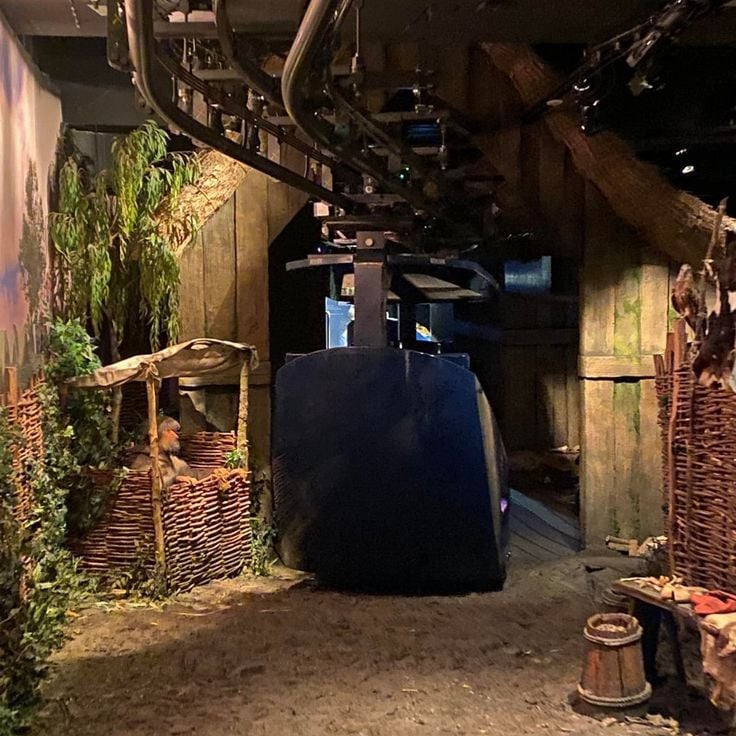
The Jorvik Viking Centre in York shows how Vikings lived in this city during the 9th century. The museum recreates houses and streets from that time, letting visitors discover daily life from that era. You see homes, workshops and markets as they existed more than a thousand years ago. This centre is part of York's history, which also includes medieval walls and a Gothic cathedral. Together, these places reveal how the city developed over the centuries.
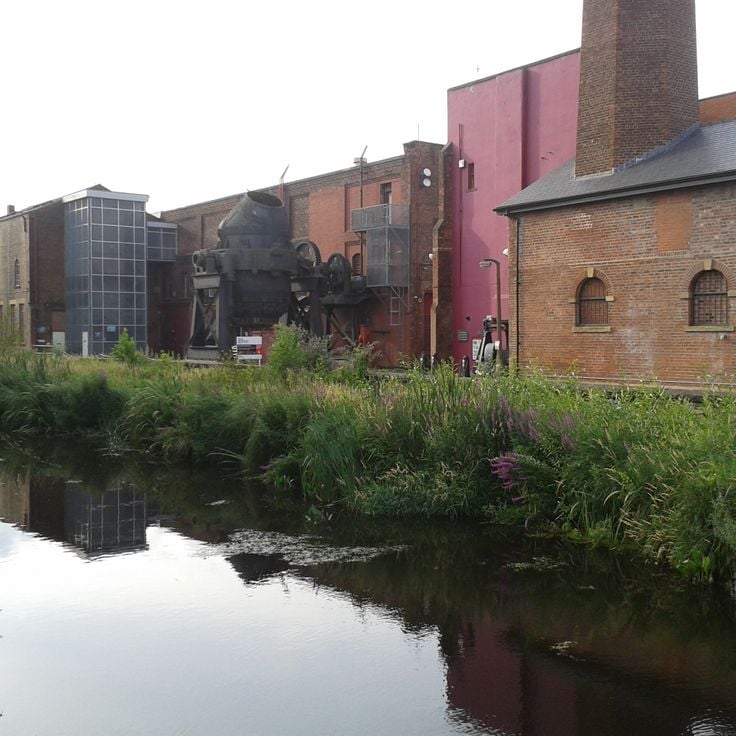
Kelham Island Museum in Sheffield tells the story of how this city became a major center for steel and tool manufacturing in 19th-century England. Located in a former industrial building on an island in the city center, the museum displays machines, tools, and personal objects from factory workers and their communities. Visitors can see how industrial growth transformed Sheffield's neighborhoods and shaped daily life for generations. The museum helps you understand the working environment that defined the city.
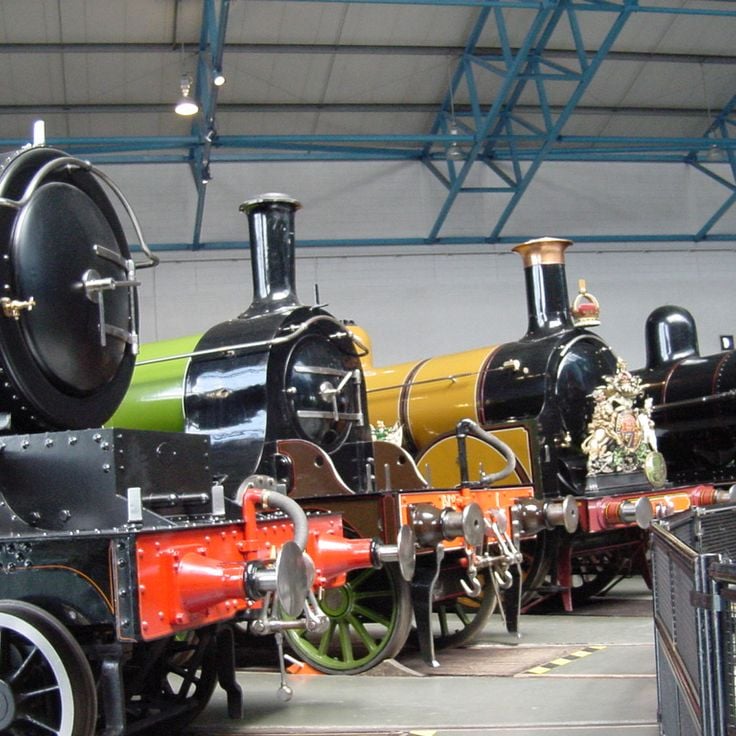
The National Railway Museum in York documents the history of British railways and shows how this means of transport shaped northern England. The museum is part of the collection of Yorkshire and the Humber, a region where industry and history are closely intertwined. Visitors can discover historical locomotives, wagons and technical equipment from different periods. The museum tells how railways changed people's lives and drove industrialization forward. It also shows the working and living conditions of railway workers.
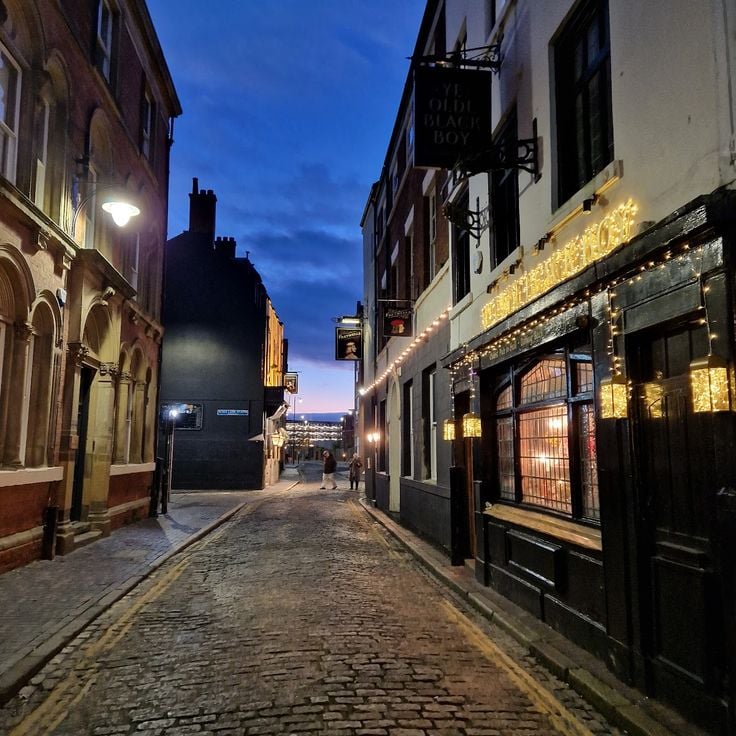
Hull Old Town is the historic heart of Kingston upon Hull, where narrow streets and brick buildings reflect centuries of maritime trade. Medieval structures and modern buildings sit alongside restored merchant houses that now house shops and museums. The district lies near the Humber estuary, and its layout still follows the patterns established when ships anchored in these waters. Walking here connects you to the port's past.
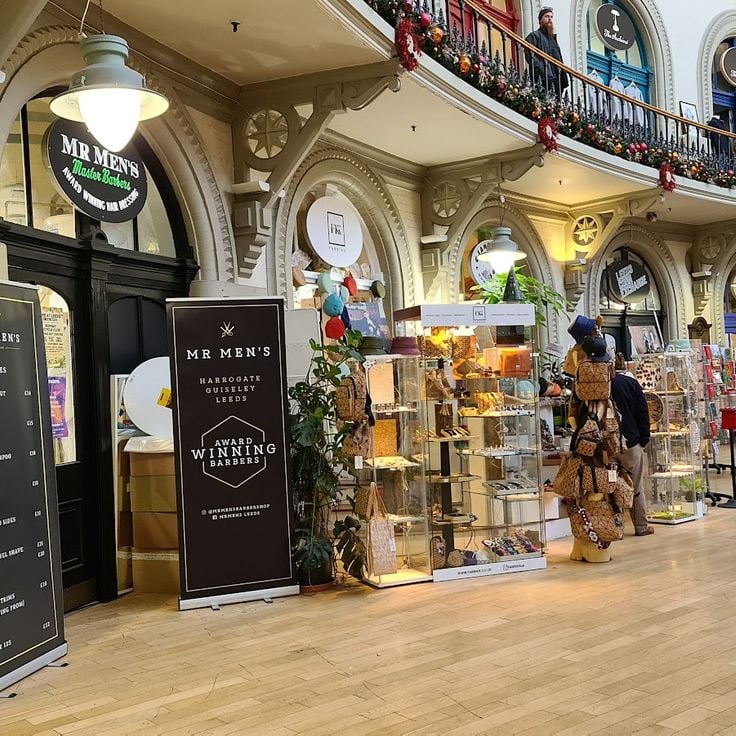
The Leeds Corn Exchange is a historic building at the heart of Leeds that has transformed from a former trading hub into a place of culture and commerce. The structure reflects the city's industrial past and shows how old buildings have been converted into spaces that draw residents and visitors. It is part of the history of Yorkshire and the Humber, which brings together many faces of northern England.
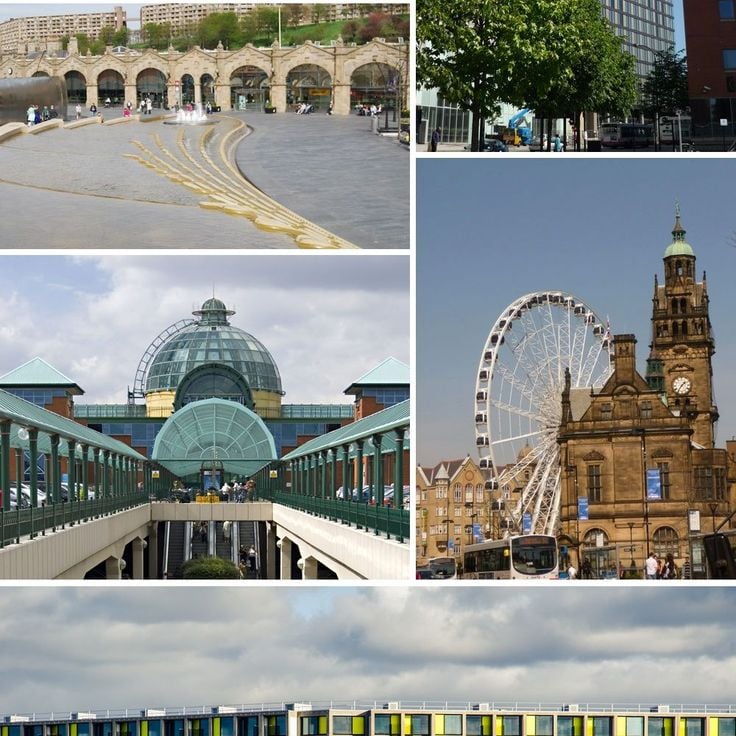
The center of Sheffield reflects the industrial heritage that shaped this region. Former factories have been converted into museums and cultural spaces alongside shops and restaurants. The streets tell the story of Sheffield's past as a center of steel production and cutlery making. Parks and water features break up the urban landscape. Visitors walk through open squares, explore galleries, and see how old industrial buildings have been transformed into new workspaces and leisure areas.
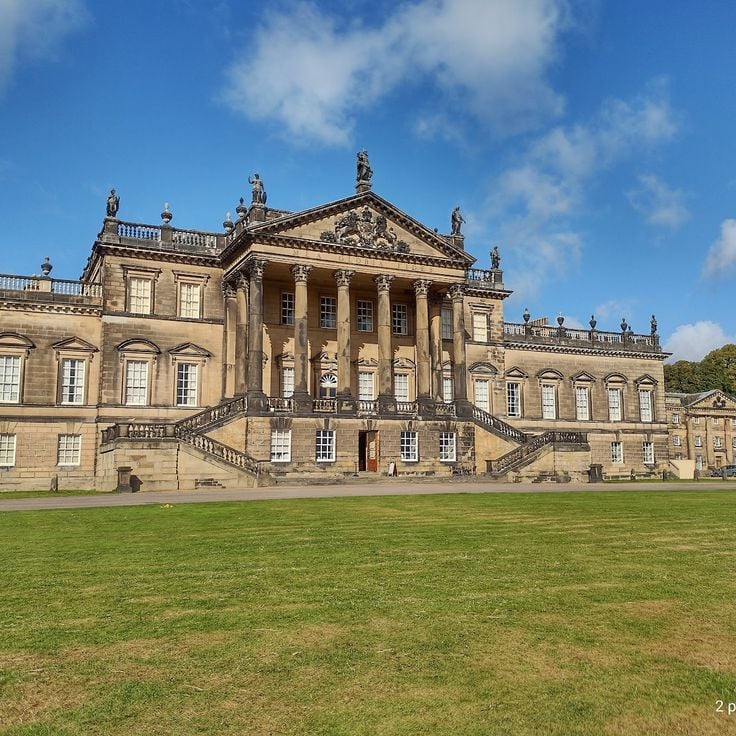
Wentworth Woodhouse in Rotherham is one of the largest country houses in England. Built in the 18th century, the building shows the wealth and power of the aristocratic family who created it. The facade displays classical architecture on a grand scale. Inside are spacious rooms filled with art collections and period furnishings. This house and its gardens tell the story of English nobility and its influence on the development of Yorkshire during that time.
The Sheffield Botanical Gardens are public gardens in this city in northern England, created during the industrial expansion of the 19th century. The site holds a varied collection of plants from different climates and regions around the world. Visitors can walk through greenhouses where tropical and subtropical species grow, or spend time on open areas planted with perennials and shrubs. The gardens offer a green refuge in the heart of Sheffield's redeveloped industrial neighborhoods.
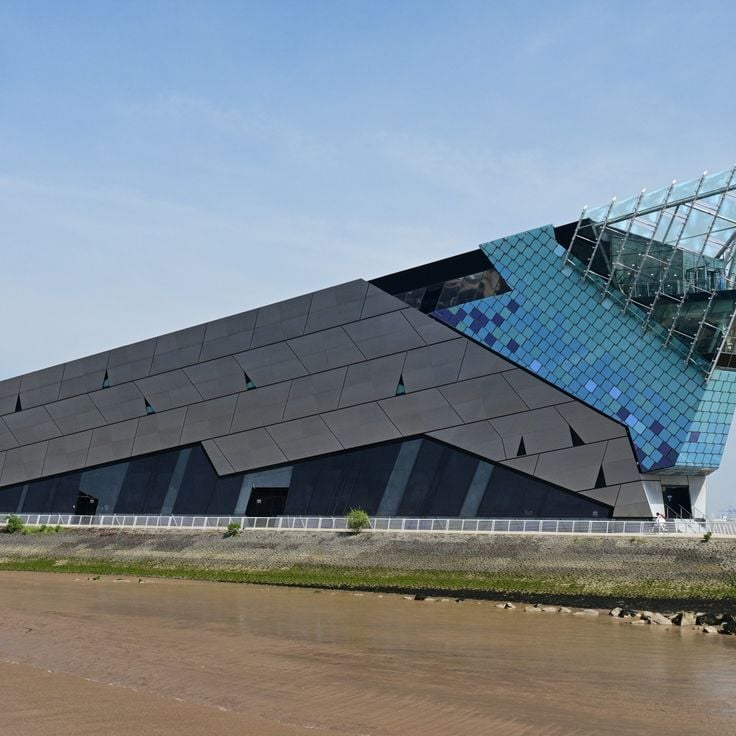
The Deep is an aquarium in Kingston upon Hull that displays marine life from the world's oceans. Its tanks showcase different marine ecosystems filled with fish, corals, and other creatures. The building has a distinctive shape inspired by trawlers, fitting into Hull's port landscape. As visitors move through the spaces, they discover the range of underwater habitats and the animals that live in them. The aquarium teaches about ocean life and why these environments need protection.
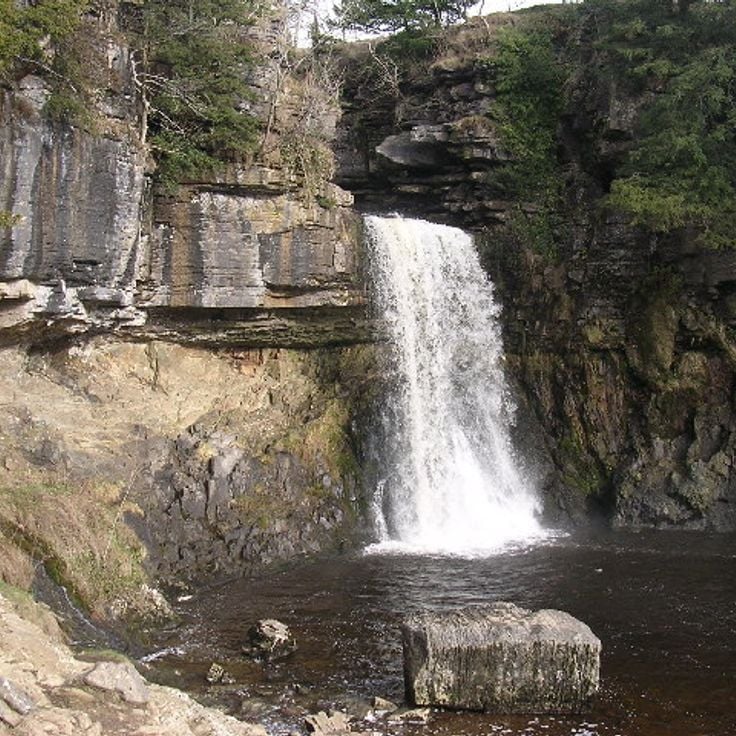
The Ingleton Waterfalls Trail is a walking path in this part of Yorkshire that passes by several waterfalls. The route connects natural features with the history of this region, where rivers have carved deep valleys into the landscape. This trail is one of many outdoor experiences in the Yorkshire Dales national park and demonstrates how water has shaped the terrain over centuries.
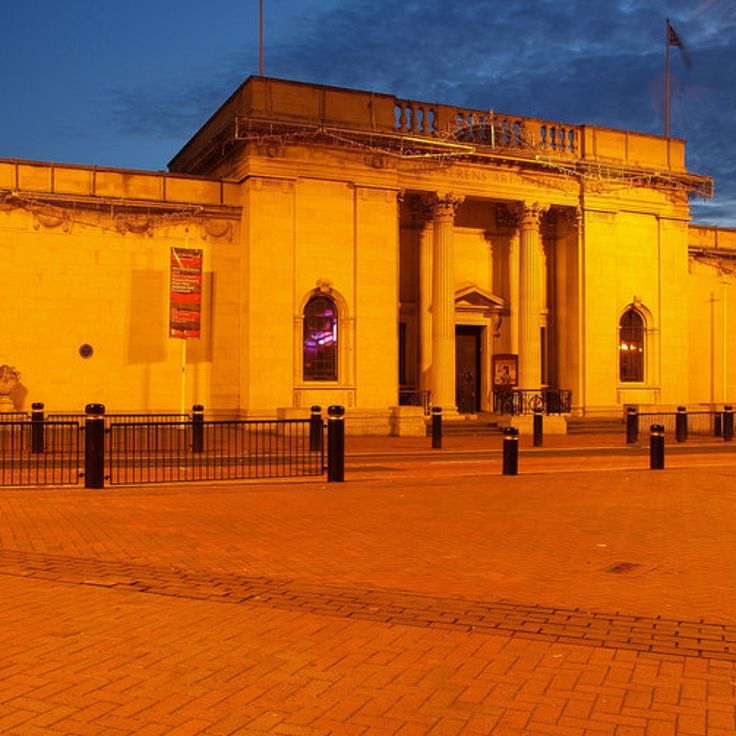
The Ferens Art Gallery in Kingston upon Hull displays paintings and sculptures spanning several centuries. Located on the riverside, the building sits near the Hull Museum Quarter. Works range from the 14th century to contemporary art, including European masterpieces and modern pieces. The gallery spaces are bright and open. The museum reflects Hull's cultural reinvention after its industrial past.
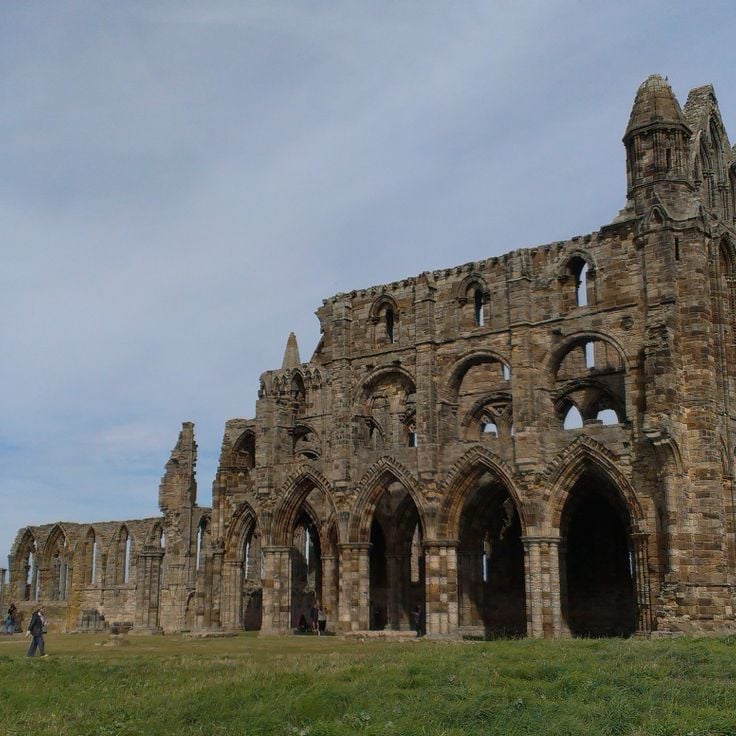
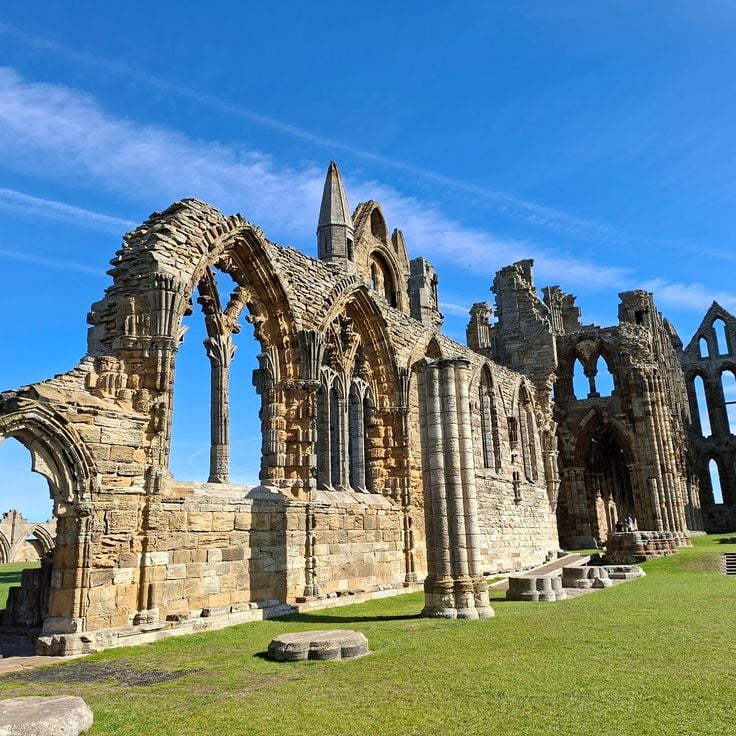
Whitby Abbey stands as a ruin on a cliff overlooking the coastal town below. The building dates from the Middle Ages and shows the gothic architecture of that era, with tall arches and slender columns. What remains today are walls and fragments of columns that stand out against the sky. Perched high above, the ruin serves as a landmark for the town and offers views over the bay toward the sea. This site reflects the religious and economic importance the abbey held in past centuries.
Yorkshire Dales National Park is a nature reserve in northern England shaped by limestone valleys, waterfalls, and stone villages. Rivers have carved deep into the plateaus over thousands of years. Small hamlets built from local stone dot the landscape. Hiking paths cross open moorlands and follow waterways through the valleys. The park combines natural geology with traces of human settlement from earlier times.
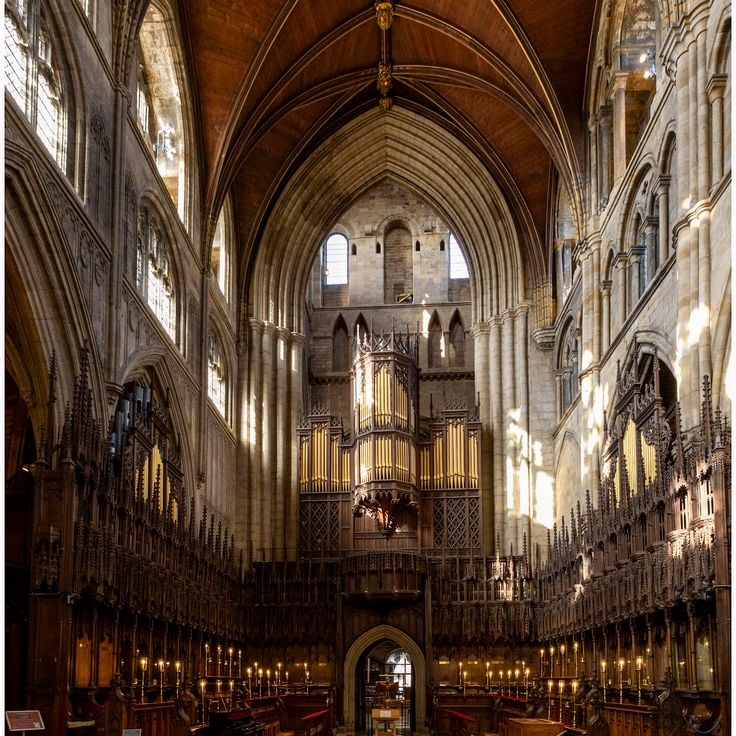
Ripon Cathedral shows architecture from different periods. The church's origins reach back to the Middle Ages, while later building phases added Gothic elements. Visitors will find here a building that reflects the architectural history of northern England and is part of this region's rich religious heritage.
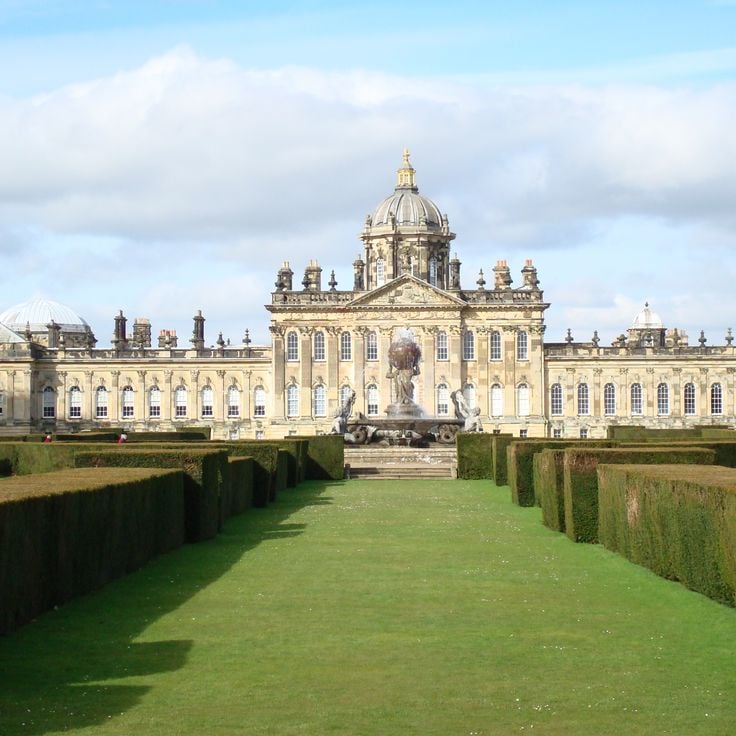
Castle Howard is a large Baroque house built in the 18th century near Malton in North Yorkshire. The building displays elaborate architecture with a striking dome and symmetrical facades. The estate includes gardens and parks that spread across the grounds. It demonstrates the wealth and power that aristocratic families held in this region in past centuries. Visitors can today explore the interior rooms with their collections and walk through the spacious grounds.
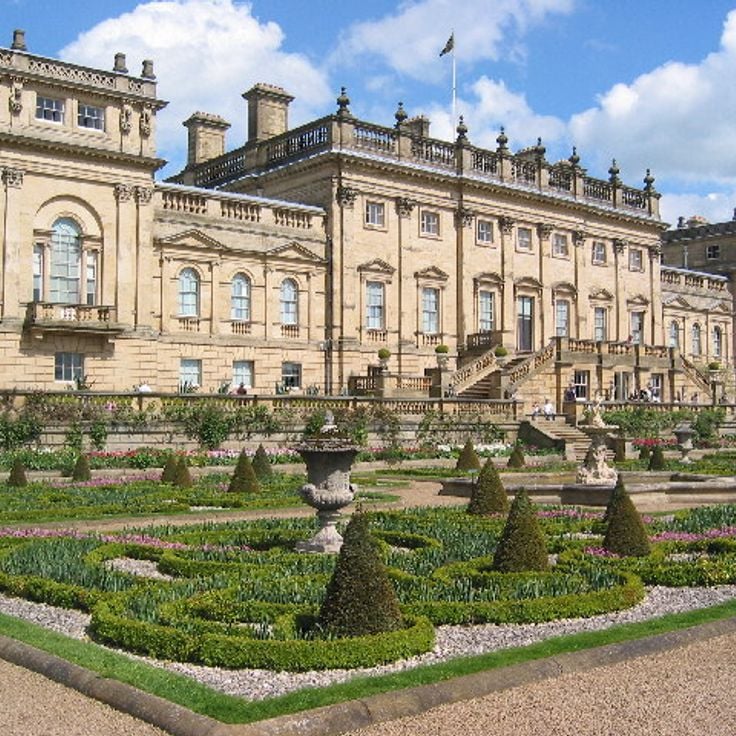
Harewood House is an 18th-century manor that represents the aristocratic grandeur found throughout Yorkshire. The building sits surrounded by formal English gardens laid out according to classical principles. The house shows how wealthy families shaped the region and expressed their power through architecture and the design of the landscape.
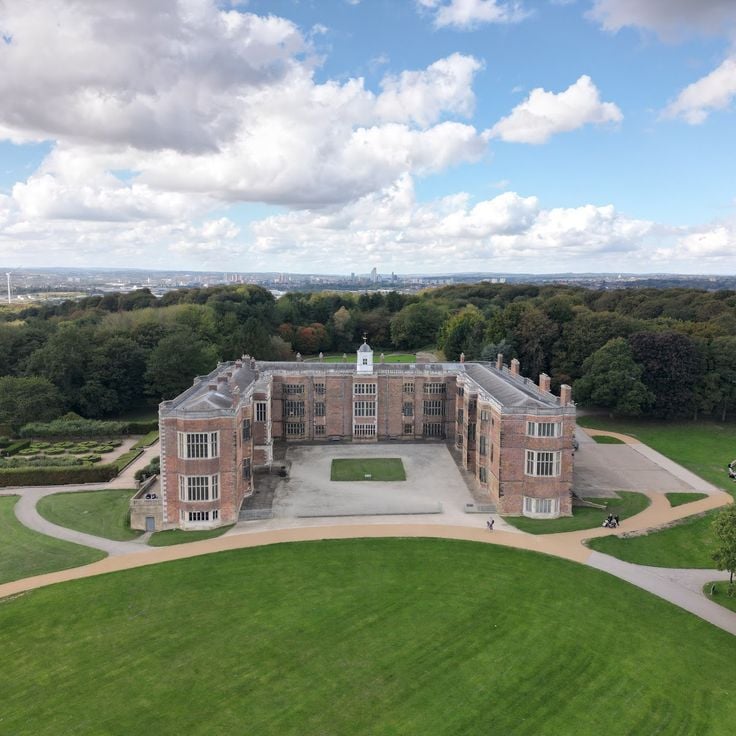
Temple Newsam House and Farm near Leeds is a large estate with a historic house and working farm. The house dates from the 16th century and shows how wealthy families lived at that time. The farm still operates today and lets visitors understand agriculture from earlier times. The estate lies close to Leeds and connects history with rural life. You can walk through the rooms, see collections of furniture and art, and explore the gardens. This place tells how prosperous city owners held rural estates in Yorkshire.
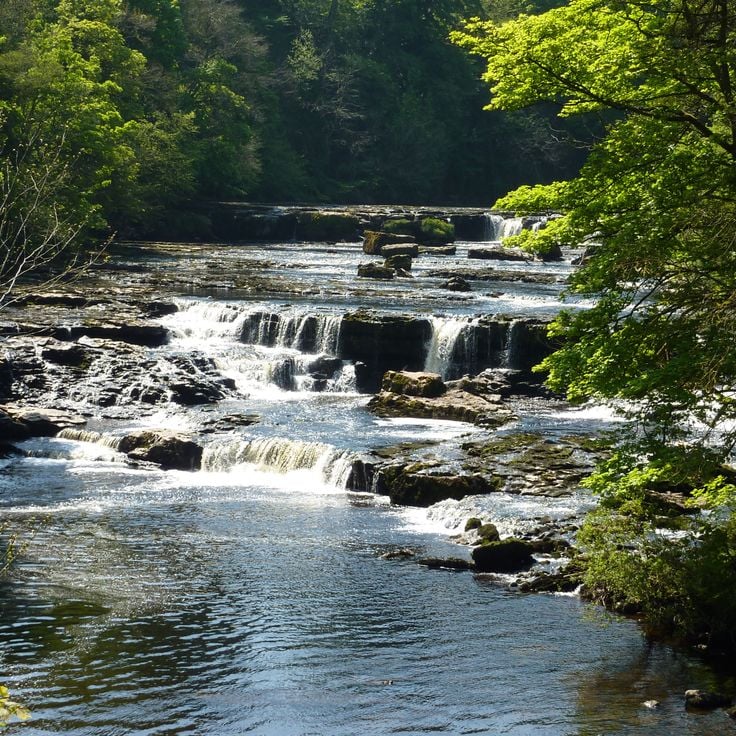
Aysgarth Falls consists of a series of stepped waterfalls along the Ure River in Yorkshire Dales National Park. The water cascades down limestone cliffs in multiple tiers, creating a dynamic display that flows strongest after rain. Located in Wensleydale, one of the region's green valleys, the falls sit among rolling pastures and drystone walls. The site draws walkers and visitors who come to see the water in motion and explore the surrounding moorland and valley.
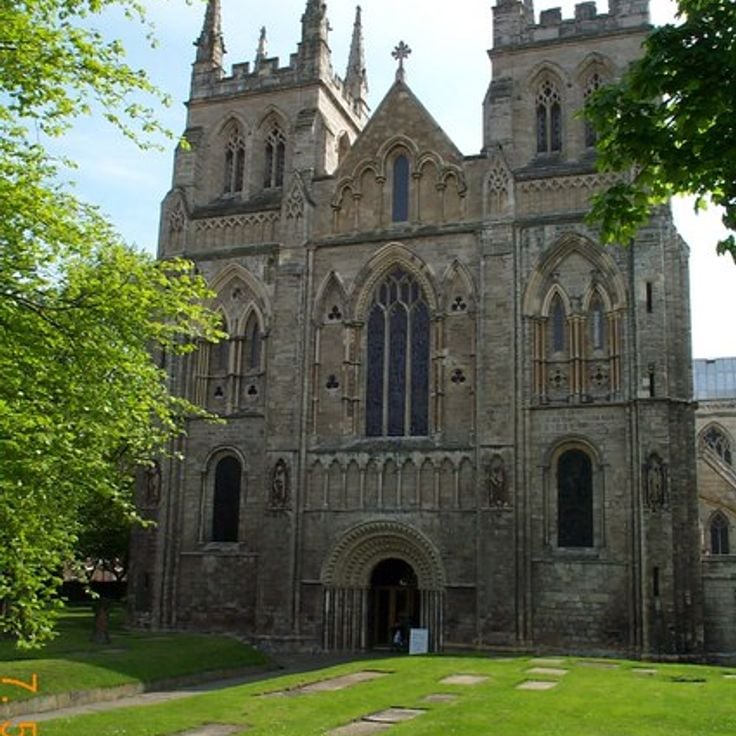
Selby Abbey is a former Benedictine monastery in North Yorkshire, founded by William the Conqueror in the 11th century. Its gothic church displays the architectural style of medieval England, with stone arches and tall windows typical of the period. The abbey played an important role in the religious life of the North and survived through the medieval centuries before the Reformation. The structure shows how monastic communities shaped the landscape and culture of Yorkshire.
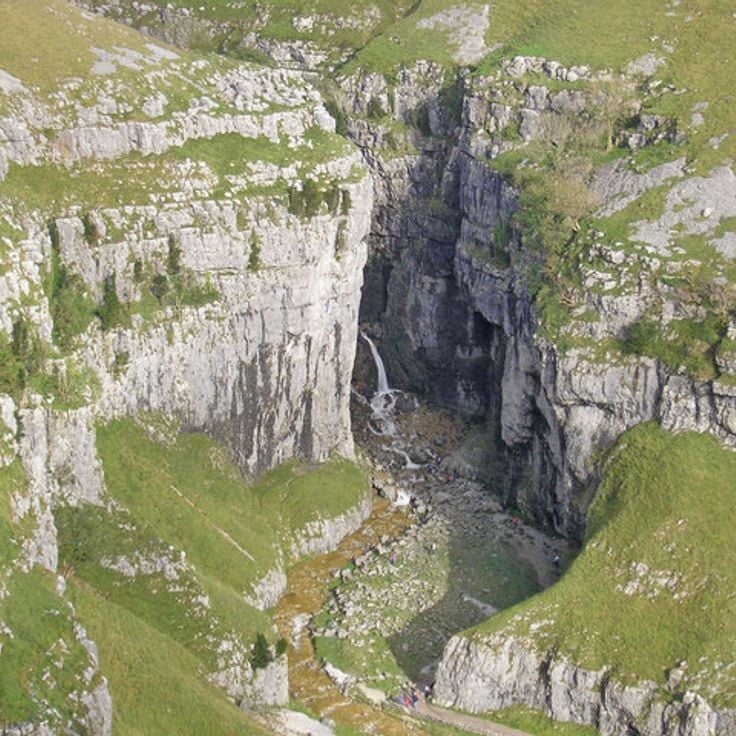
Gordale Scar is a limestone gorge near Malham in Yorkshire. Steep rock walls rise on both sides, creating a narrow passage between them. Water cascades down in stages, forming waterfalls that are most impressive after rainfall. Walkers come to hike through the ravine and experience the dramatic geology firsthand. The rock faces display the layered structure of limestone clearly.
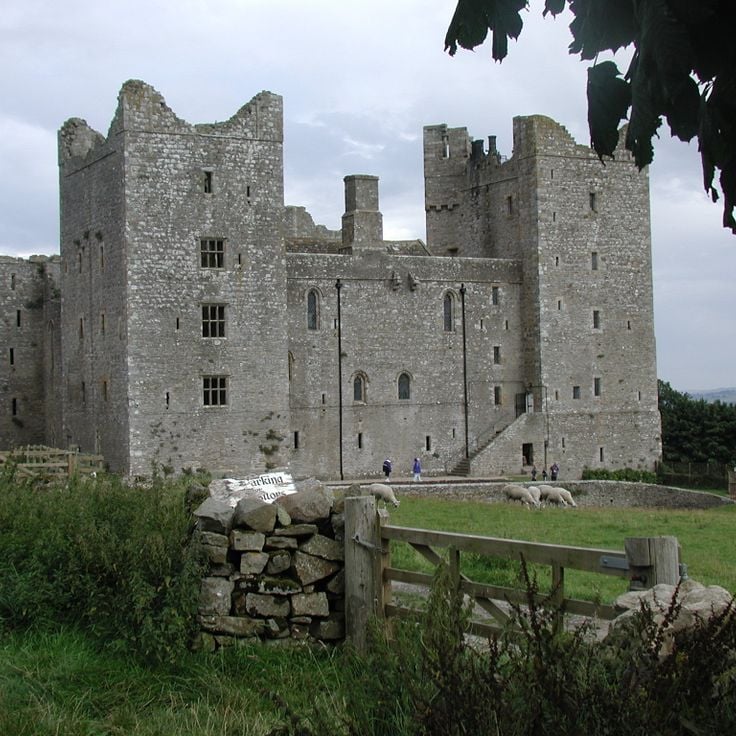
Bolton Castle overlooks Wensleydale and dates from the 14th century. Built by knights, this fortress rises above the valley with thick stone walls that have withstood centuries of weather. Inside, rooms tell stories of medieval life and royal captivity, as Mary Queen of Scots was imprisoned here. From the castle walls, views stretch across the surrounding hills and pastures of the Dale.
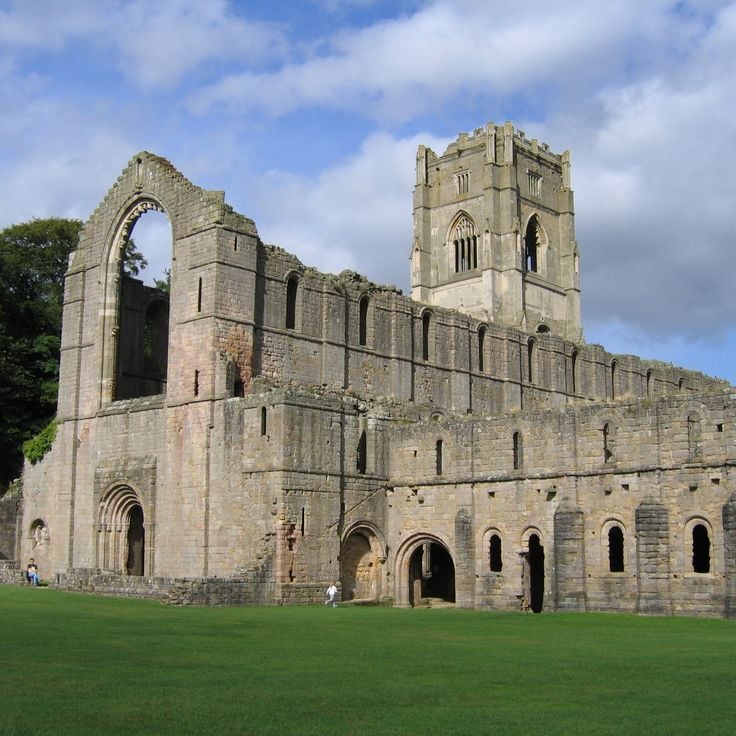
Fountains Abbey is a Cistercian monastery whose ruins stand in North Yorkshire. The abbey was founded in the 12th century and shows the power of the monastic orders that shaped this region. Next to the monastery buildings spread Studley Royal Water Gardens, laid out in the 18th century. These gardens follow the style of English landscape gardening with artificial lakes, canals, and carefully planted trees. Together, the ruins and gardens tell the story of two periods: the Middle Ages of monastic life and the 18th-century fashion for designed landscapes.
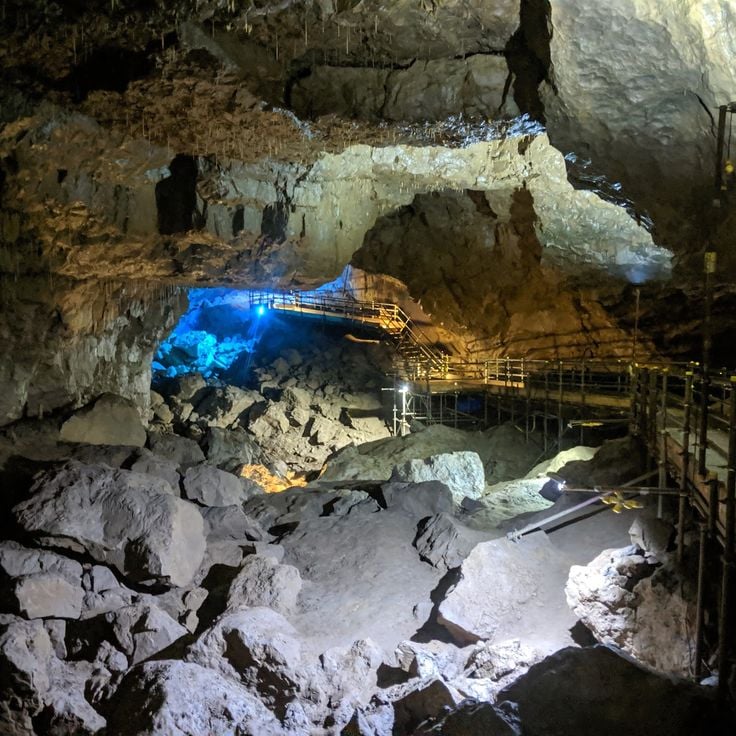
White Scar Cave is an underground cave system near Ingleton in North Yorkshire. Inside, visitors walk past stalagmites and stalactites that have formed slowly over many thousands of years as water dripped and pooled. The cave passages are tight and winding, and the sound of running water echoes through the chambers. This cave reveals how nature works beneath the ground, carving stone and building formations that appear nowhere else in this region.
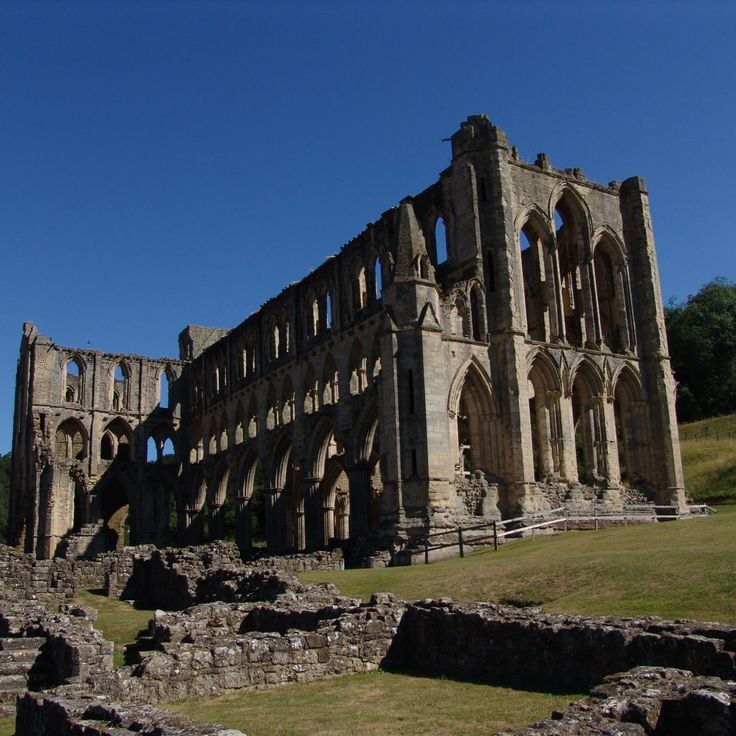
Rievaulx Abbey is a ruined Cistercian monastery founded in the 12th century, nestled in a secluded valley within the North York Moors. The monks who lived here built a community around prayer, work, and the landscape itself. The remaining stone walls, arches, and foundations reveal how they organized their daily lives and shaped the valley. Walking through the ruins, you sense the scale of their enterprise and the centuries of devotion that once filled these spaces. The site connects to Yorkshire's story of religious life and monastic influence during the Middle Ages.
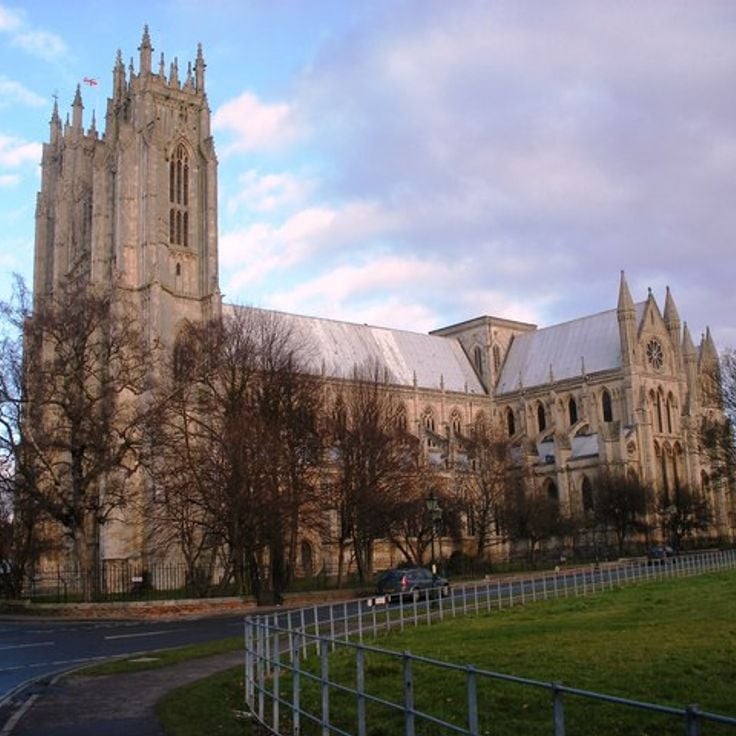
Beverley Minster is a Gothic cathedral in Beverley that stands out for its ornately decorated interior. The building displays the craftsmanship of the medieval period with intricate carvings, stained glass windows, and decorative details on columns and vaults. Visitors can experience the artistry and faith of a past era that shaped the religious life of Yorkshire.
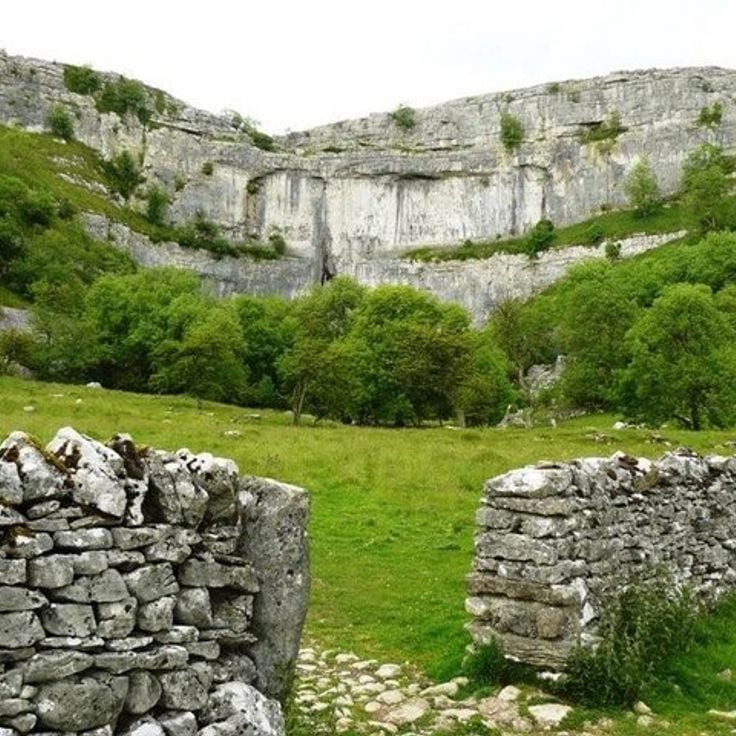
Malham Cove is a striking limestone cliff in this Yorkshire collection that rises dramatically from the valley floor. The rock face displays clearly defined layers and natural fractures formed over millions of years. Visitors often climb to the top to take in views across the valley and moorland beyond. The site tells part of the geological story that shaped the Yorkshire Dales landscape.
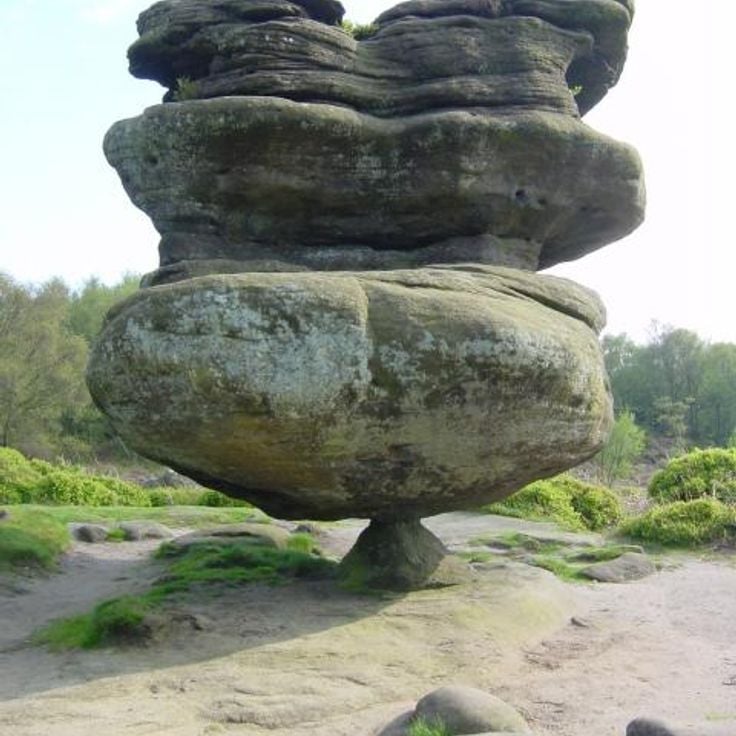
Brimham Rocks features rock formations that rise from the landscape and offer views over the surrounding valleys of Yorkshire. This natural site fits into the region's story, spread between industrial cities and national parks. The rocks show how nature has shaped the landscapes of the North York Moors.
Goathland is a village set within the North York Moors, surrounded by open heathland and rolling hills. Stone-built cottages define the character of this settlement, blending seamlessly into the surrounding landscape. The village is known for its Victorian railway station, still in active use today. The landscape around Goathland shows the typical features of this region: open moorland, woodland, and grassland create a varied terrain. The village offers visitors a chance to experience the raw character of the English moors while discovering rural life.
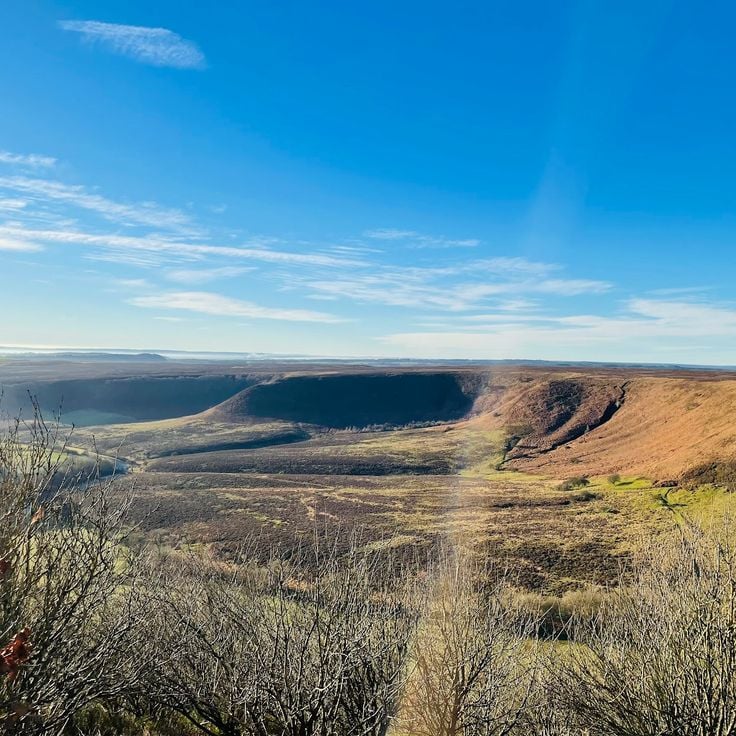
The Hole of Horcum sits at the heart of the North York Moors and shows how water and time have shaped the land over thousands of years. This natural depression resembles an amphitheater and is covered in heather and grass. The floor of the hollow is damper and supports denser vegetation. Walking around the rim offers open views down into the depression and across the surrounding moorland. This place demonstrates the natural character of Yorkshire's moorland landscapes, which have been formed by geological processes over countless generations.
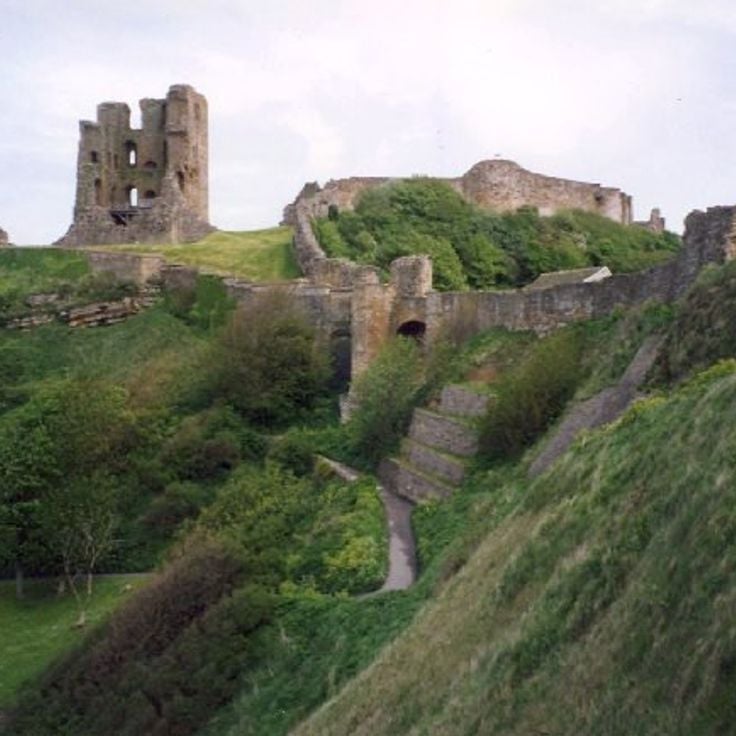
Scarborough Castle stands above the coast and overlooks both the North Sea and the seaside town below. This medieval fortress shows how important coastal defense was to England. The ruins date from different periods: Norman structures from the 12th century sit alongside later fortifications. The site connects military history with Scarborough's development as a port town and later as a Victorian seaside resort.
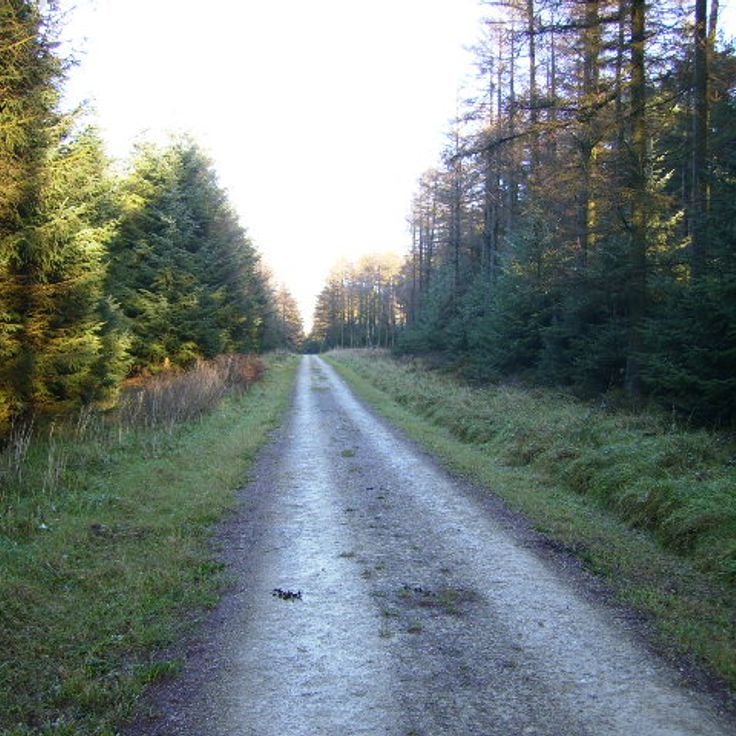
Dalby Forest near Pickering is a wooded area in North Yorkshire with walking trails and cycling paths. The forest spreads across rolling terrain, offering routes for different abilities. Visitors can explore on foot or by bike, moving through trees and open sections. The woodland is part of the broader landscape of the region, where forests and open moors meet. It serves as a place where people come to be outdoors, whether for a short walk or a longer cycling adventure.
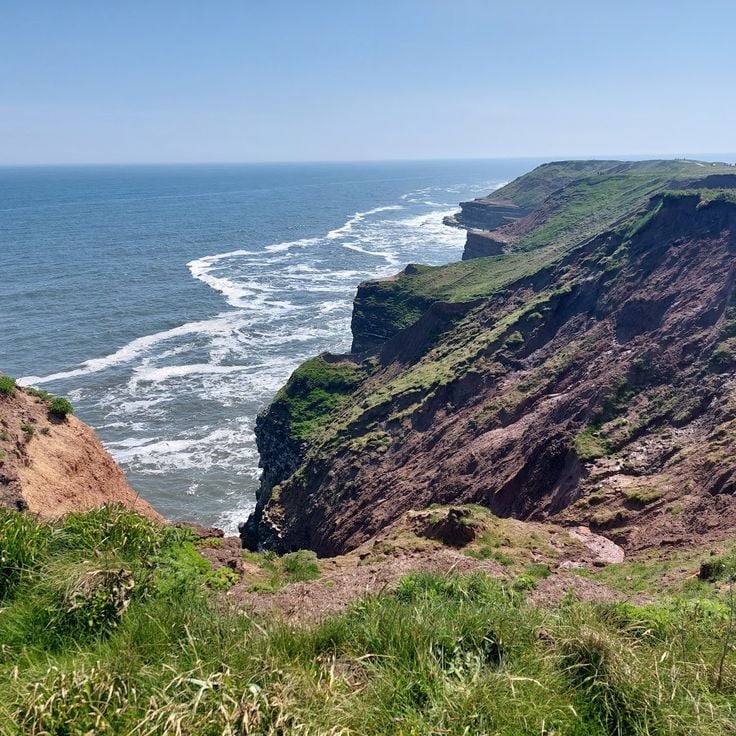
Flamborough Head is a rocky headland on the East Yorkshire coast. The cape extends into the North Sea and is known for its lighthouses. Seabirds nest here in large numbers on the cliffs. The place attracts walkers who come to explore the coastline and watch the bird colonies. In this collection of 40 sites across Yorkshire and the Humber, Flamborough Head represents the rugged northern shore.
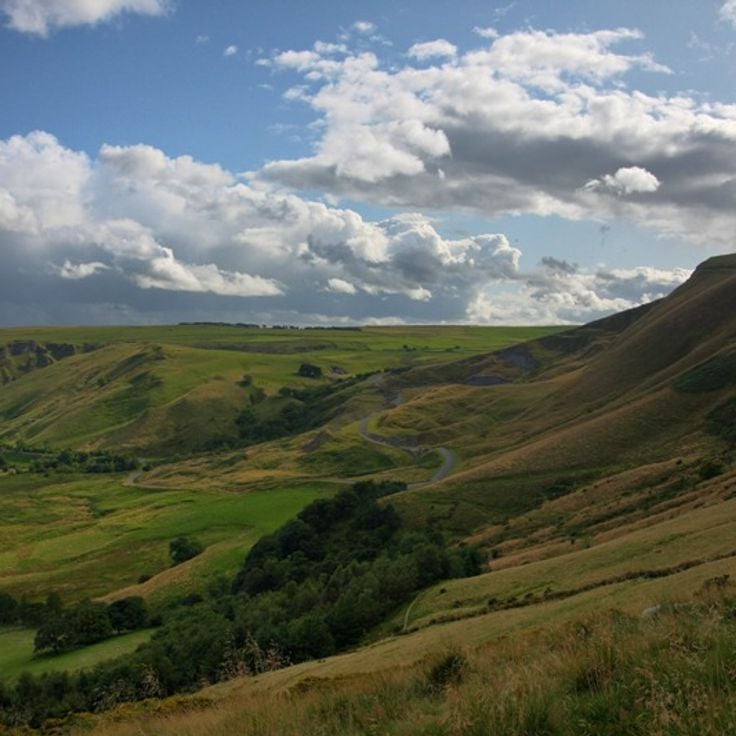
The Peak District National Park in Derbyshire and South Yorkshire is a natural area with hills, valleys and rock formations. The park sits just south of Yorkshire and extends the landscape character that defines this region. Visitors find open moorland, deep valleys, and river courses that share features with the Yorkshire Dales. Stone-built villages dot the walking routes, and the raw beauty of this countryside draws people who want to explore English nature.
The North York Moors National Park spreads across open heath and forested hills in northern Yorkshire. Rolling landscapes contain streams and valleys where small stone villages sit within the countryside. The park forms part of the region's history, shaped by medieval monasteries and later industrial communities. Walking trails wind through moorland and woodlands, passing traditional settlements that show how people have lived in this terrain for centuries.
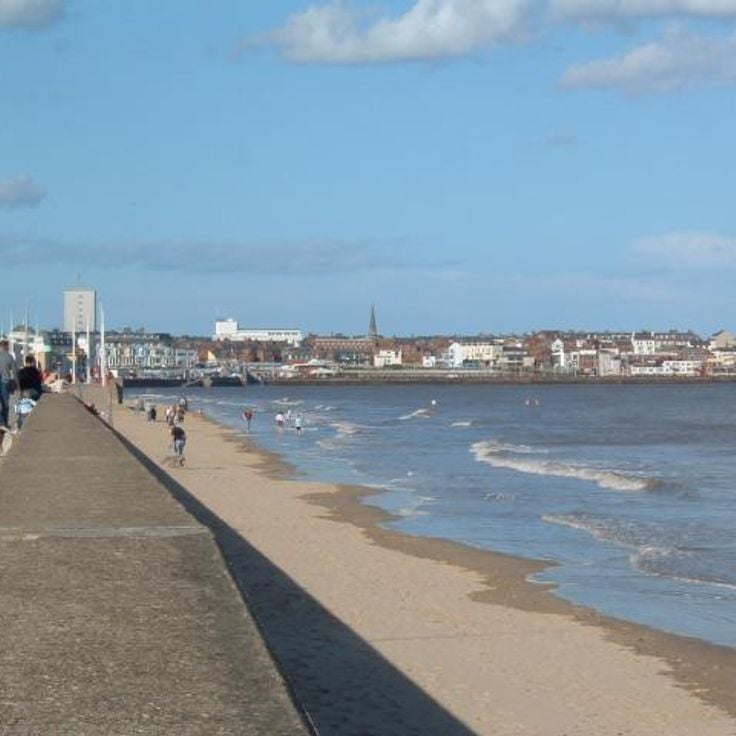
Bridlington is a seaside town on Yorkshire's North Sea coast with wide beaches and a promenade that stretches along the waterfront. The town developed as a bathing resort in the 19th century and keeps the character of a traditional English coastal destination with its amusements, pier and working harbor.
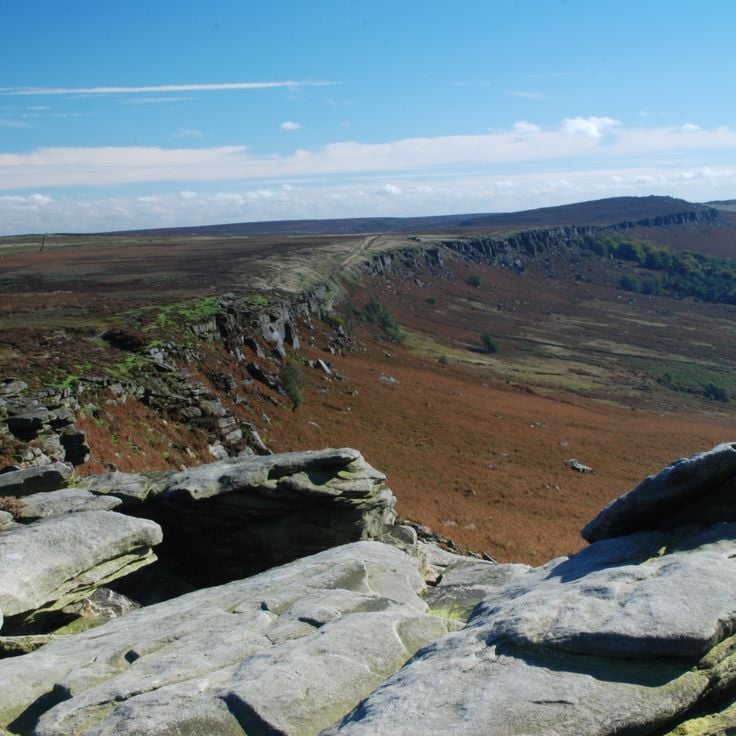
Stanage Edge is a sandstone cliff formation near Hathersage with wide views across the landscape. People walk along marked paths that run the length of the ridge, while others climb the rock face. The site attracts hikers and climbers who come for the height and the views. The rough surface of the stone shows the marks of centuries.
Whitby Harbour is a historic port on the North Sea coast where red brick houses line the waterfront. The old town looks back on its days as a fishing and trading port of importance. Today visitors can walk through narrow streets, watch boats in the harbor, and see the ruins of the abbey perched on the cliff above the bay.
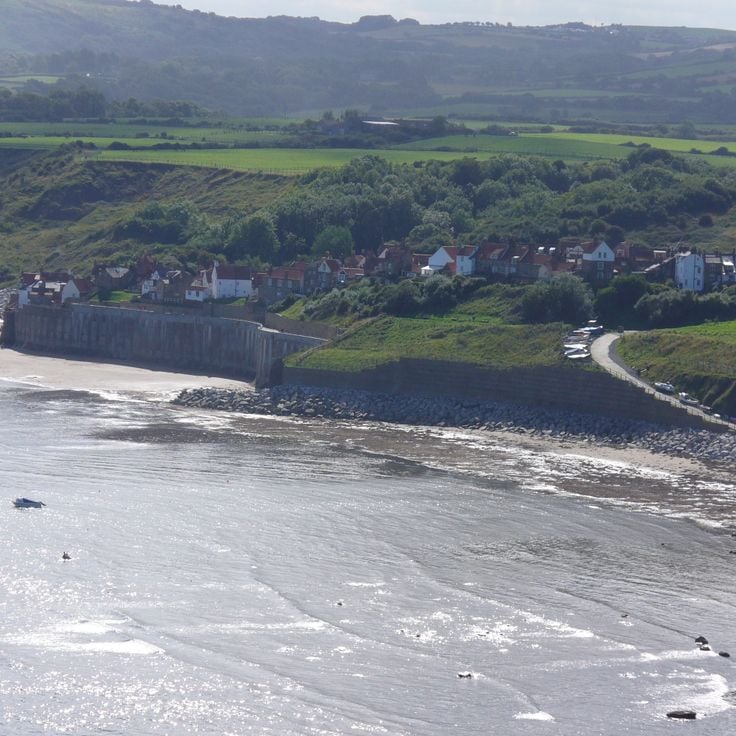
Robin Hood's Bay sits on the North Yorkshire coast as a village of old houses facing the water. A shingle beach runs along the shore, and narrow lanes slope steeply between the buildings toward the sea. The village carries traces of its past as a working port, fitting into the broader story of Yorkshire's connection to maritime trade and northern English coastal life.
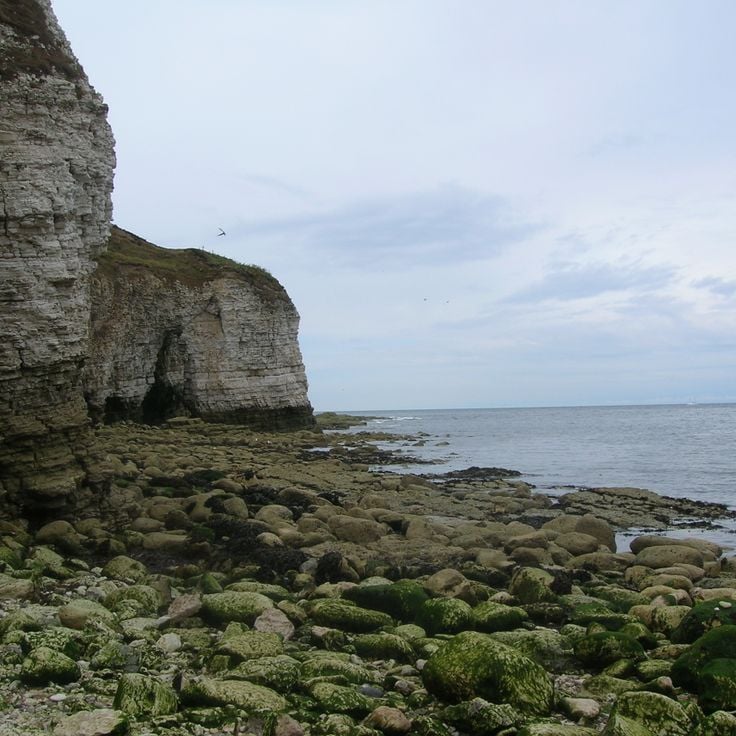
Filey Brigg is a rocky headland jutting into the North Sea from the coast near Filey. This natural pier is a distinctive feature of the Yorkshire coastline, used by locals and visitors alike. The rocks provide shelter for a beach of fine sand and shingle. At low tide, visitors can walk across the rocks and explore tidal pools where marine creatures shelter. The spot attracts anglers and birdwatchers who come to observe the seabirds that nest on the rocks.
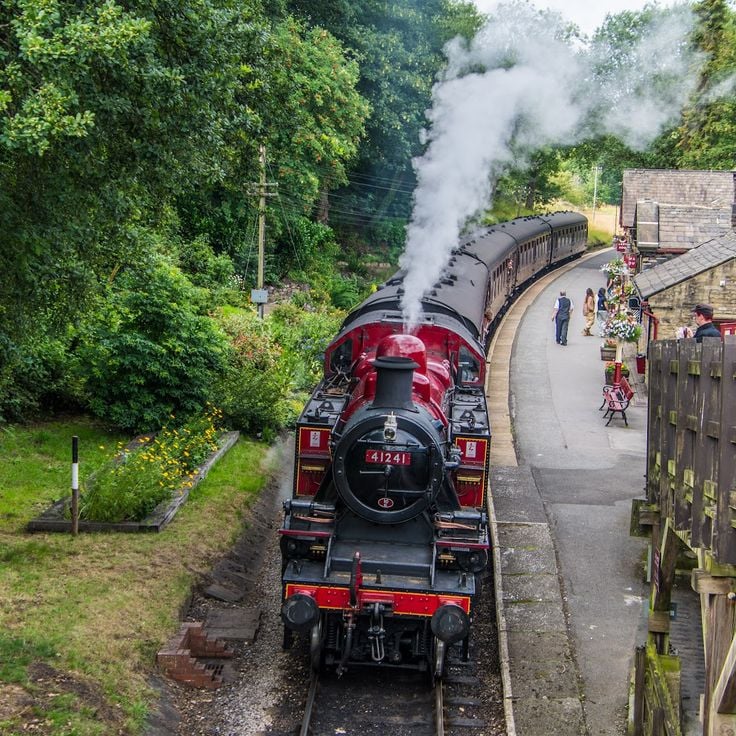
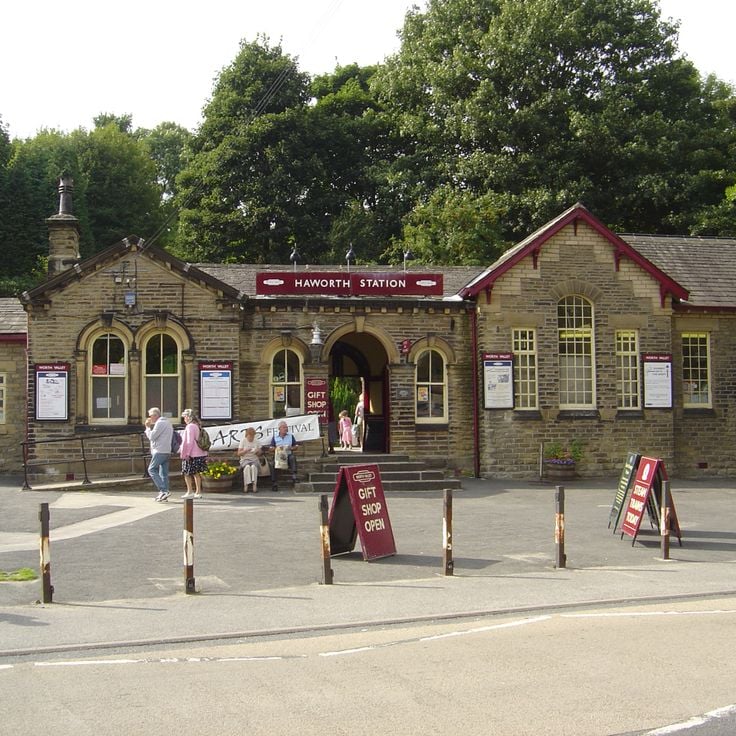
The Keighley and Worth Valley Railway is a heritage line running through the Worth Valley in Yorkshire. This railway was established in the 19th century and today operates with carefully restored steam locomotives and period carriages. The journey connects several stations that have been preserved in their original Victorian design, allowing visitors to experience transport as it was over a century ago. The route travels through rural Yorkshire landscape and tells the story of railway development during the region's industrial boom. It offers a glimpse into how railways transformed daily life and commerce in northern England.
Haworth is a village in the hills of West Yorkshire where the Bronte sisters lived and wrote their famous novels. The village retains the character of the 19th century with its narrow stone streets and traditional stone-built houses. The Bronte Parsonage, the family's former home, is now a museum. The village draws visitors who want to explore the story of these writers and the moorland landscape of the Yorkshire Dales.
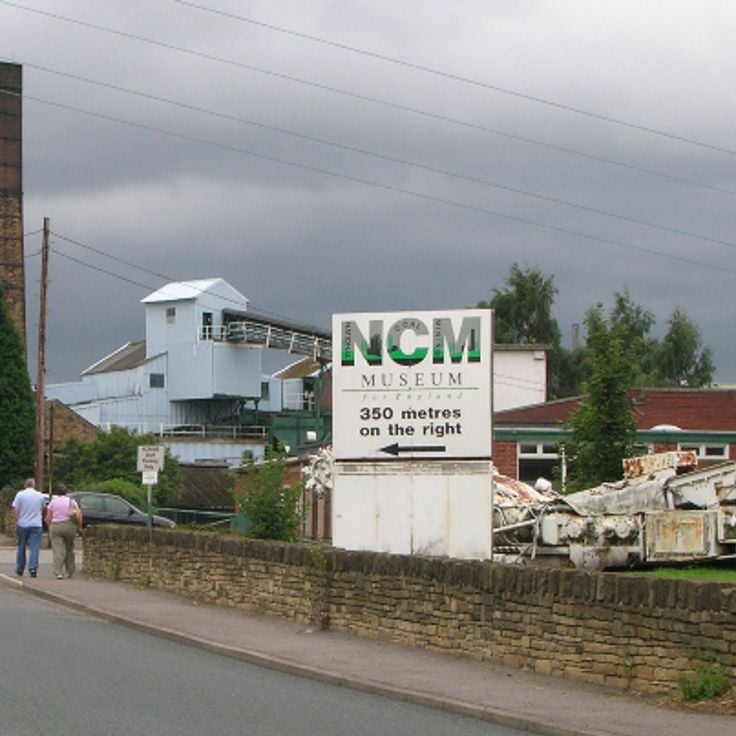
The National Coal Mining Museum for England sits in a former coal mine and tells the story of mining in the region. Visitors can descend underground to see how miners worked and understand life in mining communities. The museum shows the hard conditions workers faced and the importance of coal to Yorkshire's economy in the 19th and 20th centuries.
York is the medieval heart of Yorkshire. The city is enclosed by ancient walls that invite visitors to walk along their stone passages. Narrow lanes wind between timber-framed buildings, where shops and cafes occupy the ground floors. A Gothic cathedral rises above the rooftops and dominates the urban skyline. At every corner, traces of different periods emerge: Roman stones, medieval churches, Georgian facades. York lives at a pace that blends its historical past with the daily life of those who inhabit it today.
Conisbrough Castle is a 12th-century fortress in South Yorkshire that stands as a reminder of Norman power in England. Its stone tower rises above the ruins, showing how important such structures were to the families who ruled the Yorkshire region. Visitors can explore the remains and climb the tower to understand the strategic role these medieval fortifications played in shaping the landscape and history of the area.
Clifford's Tower is a medieval fortress that rises above the city of York. Built by the Normans in the 11th century, it stands on a mound at the heart of the city. From its top, you can look out over York's historic streets and old walls. The tower was once the seat of royal power and a key defense point for the region. Today, visitors can climb its stairs, enjoy views across York, and learn about the medieval history that shaped this northern city.
Leeds City Centre shows how an old industrial town has reinvented itself. Victorian buildings stand next to modern structures. Shops, restaurants and galleries fill the streets. The town hall with its dome marks the skyline. Parks offer space to breathe between the buildings. Museums tell the story of the linen and wool trade that once made Leeds prosperous. You feel a city in transformation.
Millennium Square is a public plaza in central Leeds. It reflects the city's transformation after its industrial past. The square invites people to stroll and rest. Museums and cultural venues border its sides. On fine days, locals and visitors gather here. Fountains and contemporary architecture define its character.
Skipton Castle is a medieval fortress in Skipton, North Yorkshire. The castle preserves its inner courtyard and shows how the nobility lived and displayed their power in the Middle Ages. Visitors can walk through the old rooms and see the thick stone walls and towers that protected the building. The courtyard is surrounded by high stone walls, from which you can observe the different structures arranged around the space. The castle shows a time when such fortresses were essential for controlling the region.
The Royal Armouries Museum in Leeds displays royal armor and military history across the centuries. The museum holds collections of weapons and armor from different periods. Visitors can discover how kings and soldiers were equipped. The building stands by the water in an area of Leeds that was once industrial and has been transformed into a dynamic cultural space. It contributes to understanding the region's industrial past and its transformation.
Kirkstall Abbey contains the ruins of a 12th century Cistercian monastery in Leeds. The monastery reveals the power that monastic orders held in medieval Yorkshire. Today, visitors can walk among the remains of the church and the monastic buildings to experience the architecture of that era.
The Shambles is a medieval street in York with well-preserved old buildings. It shows how the city looked in the Middle Ages, with narrow alleys and houses built from wood and stone. It was once the quarter of bakers, and the tight construction preserves this history. As you walk through it, you move through a place that seems to belong to a time long past.
York Minster is a Gothic cathedral that rises above the ancient walls and narrow streets of York. The building was constructed over several centuries and shows different architectural periods. Inside, large windows with stained glass display the evolution of this art form through time. York Minster was important to England's religious history and remains at the heart of city life.
The Jorvik Viking Centre in York shows how Vikings lived in this city during the 9th century. The museum recreates houses and streets from that time, letting visitors discover daily life from that era. You see homes, workshops and markets as they existed more than a thousand years ago. This centre is part of York's history, which also includes medieval walls and a Gothic cathedral. Together, these places reveal how the city developed over the centuries.
Kelham Island Museum in Sheffield tells the story of how this city became a major center for steel and tool manufacturing in 19th-century England. Located in a former industrial building on an island in the city center, the museum displays machines, tools, and personal objects from factory workers and their communities. Visitors can see how industrial growth transformed Sheffield's neighborhoods and shaped daily life for generations. The museum helps you understand the working environment that defined the city.
The National Railway Museum in York documents the history of British railways and shows how this means of transport shaped northern England. The museum is part of the collection of Yorkshire and the Humber, a region where industry and history are closely intertwined. Visitors can discover historical locomotives, wagons and technical equipment from different periods. The museum tells how railways changed people's lives and drove industrialization forward. It also shows the working and living conditions of railway workers.
Hull Old Town is the historic heart of Kingston upon Hull, where narrow streets and brick buildings reflect centuries of maritime trade. Medieval structures and modern buildings sit alongside restored merchant houses that now house shops and museums. The district lies near the Humber estuary, and its layout still follows the patterns established when ships anchored in these waters. Walking here connects you to the port's past.
The Leeds Corn Exchange is a historic building at the heart of Leeds that has transformed from a former trading hub into a place of culture and commerce. The structure reflects the city's industrial past and shows how old buildings have been converted into spaces that draw residents and visitors. It is part of the history of Yorkshire and the Humber, which brings together many faces of northern England.
The center of Sheffield reflects the industrial heritage that shaped this region. Former factories have been converted into museums and cultural spaces alongside shops and restaurants. The streets tell the story of Sheffield's past as a center of steel production and cutlery making. Parks and water features break up the urban landscape. Visitors walk through open squares, explore galleries, and see how old industrial buildings have been transformed into new workspaces and leisure areas.
Wentworth Woodhouse in Rotherham is one of the largest country houses in England. Built in the 18th century, the building shows the wealth and power of the aristocratic family who created it. The facade displays classical architecture on a grand scale. Inside are spacious rooms filled with art collections and period furnishings. This house and its gardens tell the story of English nobility and its influence on the development of Yorkshire during that time.
The Sheffield Botanical Gardens are public gardens in this city in northern England, created during the industrial expansion of the 19th century. The site holds a varied collection of plants from different climates and regions around the world. Visitors can walk through greenhouses where tropical and subtropical species grow, or spend time on open areas planted with perennials and shrubs. The gardens offer a green refuge in the heart of Sheffield's redeveloped industrial neighborhoods.
The Deep is an aquarium in Kingston upon Hull that displays marine life from the world's oceans. Its tanks showcase different marine ecosystems filled with fish, corals, and other creatures. The building has a distinctive shape inspired by trawlers, fitting into Hull's port landscape. As visitors move through the spaces, they discover the range of underwater habitats and the animals that live in them. The aquarium teaches about ocean life and why these environments need protection.
The Ingleton Waterfalls Trail is a walking path in this part of Yorkshire that passes by several waterfalls. The route connects natural features with the history of this region, where rivers have carved deep valleys into the landscape. This trail is one of many outdoor experiences in the Yorkshire Dales national park and demonstrates how water has shaped the terrain over centuries.
The Ferens Art Gallery in Kingston upon Hull displays paintings and sculptures spanning several centuries. Located on the riverside, the building sits near the Hull Museum Quarter. Works range from the 14th century to contemporary art, including European masterpieces and modern pieces. The gallery spaces are bright and open. The museum reflects Hull's cultural reinvention after its industrial past.
Whitby Abbey stands as a ruin on a cliff overlooking the coastal town below. The building dates from the Middle Ages and shows the gothic architecture of that era, with tall arches and slender columns. What remains today are walls and fragments of columns that stand out against the sky. Perched high above, the ruin serves as a landmark for the town and offers views over the bay toward the sea. This site reflects the religious and economic importance the abbey held in past centuries.
Yorkshire Dales National Park is a nature reserve in northern England shaped by limestone valleys, waterfalls, and stone villages. Rivers have carved deep into the plateaus over thousands of years. Small hamlets built from local stone dot the landscape. Hiking paths cross open moorlands and follow waterways through the valleys. The park combines natural geology with traces of human settlement from earlier times.
Ripon Cathedral shows architecture from different periods. The church's origins reach back to the Middle Ages, while later building phases added Gothic elements. Visitors will find here a building that reflects the architectural history of northern England and is part of this region's rich religious heritage.
Castle Howard is a large Baroque house built in the 18th century near Malton in North Yorkshire. The building displays elaborate architecture with a striking dome and symmetrical facades. The estate includes gardens and parks that spread across the grounds. It demonstrates the wealth and power that aristocratic families held in this region in past centuries. Visitors can today explore the interior rooms with their collections and walk through the spacious grounds.
Harewood House is an 18th-century manor that represents the aristocratic grandeur found throughout Yorkshire. The building sits surrounded by formal English gardens laid out according to classical principles. The house shows how wealthy families shaped the region and expressed their power through architecture and the design of the landscape.
Temple Newsam House and Farm near Leeds is a large estate with a historic house and working farm. The house dates from the 16th century and shows how wealthy families lived at that time. The farm still operates today and lets visitors understand agriculture from earlier times. The estate lies close to Leeds and connects history with rural life. You can walk through the rooms, see collections of furniture and art, and explore the gardens. This place tells how prosperous city owners held rural estates in Yorkshire.
Aysgarth Falls consists of a series of stepped waterfalls along the Ure River in Yorkshire Dales National Park. The water cascades down limestone cliffs in multiple tiers, creating a dynamic display that flows strongest after rain. Located in Wensleydale, one of the region's green valleys, the falls sit among rolling pastures and drystone walls. The site draws walkers and visitors who come to see the water in motion and explore the surrounding moorland and valley.
Selby Abbey is a former Benedictine monastery in North Yorkshire, founded by William the Conqueror in the 11th century. Its gothic church displays the architectural style of medieval England, with stone arches and tall windows typical of the period. The abbey played an important role in the religious life of the North and survived through the medieval centuries before the Reformation. The structure shows how monastic communities shaped the landscape and culture of Yorkshire.
Gordale Scar is a limestone gorge near Malham in Yorkshire. Steep rock walls rise on both sides, creating a narrow passage between them. Water cascades down in stages, forming waterfalls that are most impressive after rainfall. Walkers come to hike through the ravine and experience the dramatic geology firsthand. The rock faces display the layered structure of limestone clearly.
Bolton Castle overlooks Wensleydale and dates from the 14th century. Built by knights, this fortress rises above the valley with thick stone walls that have withstood centuries of weather. Inside, rooms tell stories of medieval life and royal captivity, as Mary Queen of Scots was imprisoned here. From the castle walls, views stretch across the surrounding hills and pastures of the Dale.
Fountains Abbey is a Cistercian monastery whose ruins stand in North Yorkshire. The abbey was founded in the 12th century and shows the power of the monastic orders that shaped this region. Next to the monastery buildings spread Studley Royal Water Gardens, laid out in the 18th century. These gardens follow the style of English landscape gardening with artificial lakes, canals, and carefully planted trees. Together, the ruins and gardens tell the story of two periods: the Middle Ages of monastic life and the 18th-century fashion for designed landscapes.
White Scar Cave is an underground cave system near Ingleton in North Yorkshire. Inside, visitors walk past stalagmites and stalactites that have formed slowly over many thousands of years as water dripped and pooled. The cave passages are tight and winding, and the sound of running water echoes through the chambers. This cave reveals how nature works beneath the ground, carving stone and building formations that appear nowhere else in this region.
Rievaulx Abbey is a ruined Cistercian monastery founded in the 12th century, nestled in a secluded valley within the North York Moors. The monks who lived here built a community around prayer, work, and the landscape itself. The remaining stone walls, arches, and foundations reveal how they organized their daily lives and shaped the valley. Walking through the ruins, you sense the scale of their enterprise and the centuries of devotion that once filled these spaces. The site connects to Yorkshire's story of religious life and monastic influence during the Middle Ages.
Beverley Minster is a Gothic cathedral in Beverley that stands out for its ornately decorated interior. The building displays the craftsmanship of the medieval period with intricate carvings, stained glass windows, and decorative details on columns and vaults. Visitors can experience the artistry and faith of a past era that shaped the religious life of Yorkshire.
Malham Cove is a striking limestone cliff in this Yorkshire collection that rises dramatically from the valley floor. The rock face displays clearly defined layers and natural fractures formed over millions of years. Visitors often climb to the top to take in views across the valley and moorland beyond. The site tells part of the geological story that shaped the Yorkshire Dales landscape.
Brimham Rocks features rock formations that rise from the landscape and offer views over the surrounding valleys of Yorkshire. This natural site fits into the region's story, spread between industrial cities and national parks. The rocks show how nature has shaped the landscapes of the North York Moors.
Goathland is a village set within the North York Moors, surrounded by open heathland and rolling hills. Stone-built cottages define the character of this settlement, blending seamlessly into the surrounding landscape. The village is known for its Victorian railway station, still in active use today. The landscape around Goathland shows the typical features of this region: open moorland, woodland, and grassland create a varied terrain. The village offers visitors a chance to experience the raw character of the English moors while discovering rural life.
The Hole of Horcum sits at the heart of the North York Moors and shows how water and time have shaped the land over thousands of years. This natural depression resembles an amphitheater and is covered in heather and grass. The floor of the hollow is damper and supports denser vegetation. Walking around the rim offers open views down into the depression and across the surrounding moorland. This place demonstrates the natural character of Yorkshire's moorland landscapes, which have been formed by geological processes over countless generations.
Scarborough Castle stands above the coast and overlooks both the North Sea and the seaside town below. This medieval fortress shows how important coastal defense was to England. The ruins date from different periods: Norman structures from the 12th century sit alongside later fortifications. The site connects military history with Scarborough's development as a port town and later as a Victorian seaside resort.
Dalby Forest near Pickering is a wooded area in North Yorkshire with walking trails and cycling paths. The forest spreads across rolling terrain, offering routes for different abilities. Visitors can explore on foot or by bike, moving through trees and open sections. The woodland is part of the broader landscape of the region, where forests and open moors meet. It serves as a place where people come to be outdoors, whether for a short walk or a longer cycling adventure.
Flamborough Head is a rocky headland on the East Yorkshire coast. The cape extends into the North Sea and is known for its lighthouses. Seabirds nest here in large numbers on the cliffs. The place attracts walkers who come to explore the coastline and watch the bird colonies. In this collection of 40 sites across Yorkshire and the Humber, Flamborough Head represents the rugged northern shore.
The Peak District National Park in Derbyshire and South Yorkshire is a natural area with hills, valleys and rock formations. The park sits just south of Yorkshire and extends the landscape character that defines this region. Visitors find open moorland, deep valleys, and river courses that share features with the Yorkshire Dales. Stone-built villages dot the walking routes, and the raw beauty of this countryside draws people who want to explore English nature.
The North York Moors National Park spreads across open heath and forested hills in northern Yorkshire. Rolling landscapes contain streams and valleys where small stone villages sit within the countryside. The park forms part of the region's history, shaped by medieval monasteries and later industrial communities. Walking trails wind through moorland and woodlands, passing traditional settlements that show how people have lived in this terrain for centuries.
Bridlington is a seaside town on Yorkshire's North Sea coast with wide beaches and a promenade that stretches along the waterfront. The town developed as a bathing resort in the 19th century and keeps the character of a traditional English coastal destination with its amusements, pier and working harbor.
Stanage Edge is a sandstone cliff formation near Hathersage with wide views across the landscape. People walk along marked paths that run the length of the ridge, while others climb the rock face. The site attracts hikers and climbers who come for the height and the views. The rough surface of the stone shows the marks of centuries.
Whitby Harbour is a historic port on the North Sea coast where red brick houses line the waterfront. The old town looks back on its days as a fishing and trading port of importance. Today visitors can walk through narrow streets, watch boats in the harbor, and see the ruins of the abbey perched on the cliff above the bay.
Robin Hood's Bay sits on the North Yorkshire coast as a village of old houses facing the water. A shingle beach runs along the shore, and narrow lanes slope steeply between the buildings toward the sea. The village carries traces of its past as a working port, fitting into the broader story of Yorkshire's connection to maritime trade and northern English coastal life.
Filey Brigg is a rocky headland jutting into the North Sea from the coast near Filey. This natural pier is a distinctive feature of the Yorkshire coastline, used by locals and visitors alike. The rocks provide shelter for a beach of fine sand and shingle. At low tide, visitors can walk across the rocks and explore tidal pools where marine creatures shelter. The spot attracts anglers and birdwatchers who come to observe the seabirds that nest on the rocks.
The Keighley and Worth Valley Railway is a heritage line running through the Worth Valley in Yorkshire. This railway was established in the 19th century and today operates with carefully restored steam locomotives and period carriages. The journey connects several stations that have been preserved in their original Victorian design, allowing visitors to experience transport as it was over a century ago. The route travels through rural Yorkshire landscape and tells the story of railway development during the region's industrial boom. It offers a glimpse into how railways transformed daily life and commerce in northern England.
Haworth is a village in the hills of West Yorkshire where the Bronte sisters lived and wrote their famous novels. The village retains the character of the 19th century with its narrow stone streets and traditional stone-built houses. The Bronte Parsonage, the family's former home, is now a museum. The village draws visitors who want to explore the story of these writers and the moorland landscape of the Yorkshire Dales.
The National Coal Mining Museum for England sits in a former coal mine and tells the story of mining in the region. Visitors can descend underground to see how miners worked and understand life in mining communities. The museum shows the hard conditions workers faced and the importance of coal to Yorkshire's economy in the 19th and 20th centuries.
York is the medieval heart of Yorkshire. The city is enclosed by ancient walls that invite visitors to walk along their stone passages. Narrow lanes wind between timber-framed buildings, where shops and cafes occupy the ground floors. A Gothic cathedral rises above the rooftops and dominates the urban skyline. At every corner, traces of different periods emerge: Roman stones, medieval churches, Georgian facades. York lives at a pace that blends its historical past with the daily life of those who inhabit it today.
Conisbrough Castle is a 12th-century fortress in South Yorkshire that stands as a reminder of Norman power in England. Its stone tower rises above the ruins, showing how important such structures were to the families who ruled the Yorkshire region. Visitors can explore the remains and climb the tower to understand the strategic role these medieval fortifications played in shaping the landscape and history of the area.
Clifford's Tower is a medieval fortress that rises above the city of York. Built by the Normans in the 11th century, it stands on a mound at the heart of the city. From its top, you can look out over York's historic streets and old walls. The tower was once the seat of royal power and a key defense point for the region. Today, visitors can climb its stairs, enjoy views across York, and learn about the medieval history that shaped this northern city.
Leeds City Centre shows how an old industrial town has reinvented itself. Victorian buildings stand next to modern structures. Shops, restaurants and galleries fill the streets. The town hall with its dome marks the skyline. Parks offer space to breathe between the buildings. Museums tell the story of the linen and wool trade that once made Leeds prosperous. You feel a city in transformation.
Millennium Square is a public plaza in central Leeds. It reflects the city's transformation after its industrial past. The square invites people to stroll and rest. Museums and cultural venues border its sides. On fine days, locals and visitors gather here. Fountains and contemporary architecture define its character.
Skipton Castle is a medieval fortress in Skipton, North Yorkshire. The castle preserves its inner courtyard and shows how the nobility lived and displayed their power in the Middle Ages. Visitors can walk through the old rooms and see the thick stone walls and towers that protected the building. The courtyard is surrounded by high stone walls, from which you can observe the different structures arranged around the space. The castle shows a time when such fortresses were essential for controlling the region.
The Royal Armouries Museum in Leeds displays royal armor and military history across the centuries. The museum holds collections of weapons and armor from different periods. Visitors can discover how kings and soldiers were equipped. The building stands by the water in an area of Leeds that was once industrial and has been transformed into a dynamic cultural space. It contributes to understanding the region's industrial past and its transformation.
Kirkstall Abbey contains the ruins of a 12th century Cistercian monastery in Leeds. The monastery reveals the power that monastic orders held in medieval Yorkshire. Today, visitors can walk among the remains of the church and the monastic buildings to experience the architecture of that era.
The Shambles is a medieval street in York with well-preserved old buildings. It shows how the city looked in the Middle Ages, with narrow alleys and houses built from wood and stone. It was once the quarter of bakers, and the tight construction preserves this history. As you walk through it, you move through a place that seems to belong to a time long past.
York Minster is a Gothic cathedral that rises above the ancient walls and narrow streets of York. The building was constructed over several centuries and shows different architectural periods. Inside, large windows with stained glass display the evolution of this art form through time. York Minster was important to England's religious history and remains at the heart of city life.
The Jorvik Viking Centre in York shows how Vikings lived in this city during the 9th century. The museum recreates houses and streets from that time, letting visitors discover daily life from that era. You see homes, workshops and markets as they existed more than a thousand years ago. This centre is part of York's history, which also includes medieval walls and a Gothic cathedral. Together, these places reveal how the city developed over the centuries.
Kelham Island Museum in Sheffield tells the story of how this city became a major center for steel and tool manufacturing in 19th-century England. Located in a former industrial building on an island in the city center, the museum displays machines, tools, and personal objects from factory workers and their communities. Visitors can see how industrial growth transformed Sheffield's neighborhoods and shaped daily life for generations. The museum helps you understand the working environment that defined the city.
The National Railway Museum in York documents the history of British railways and shows how this means of transport shaped northern England. The museum is part of the collection of Yorkshire and the Humber, a region where industry and history are closely intertwined. Visitors can discover historical locomotives, wagons and technical equipment from different periods. The museum tells how railways changed people's lives and drove industrialization forward. It also shows the working and living conditions of railway workers.
Hull Old Town is the historic heart of Kingston upon Hull, where narrow streets and brick buildings reflect centuries of maritime trade. Medieval structures and modern buildings sit alongside restored merchant houses that now house shops and museums. The district lies near the Humber estuary, and its layout still follows the patterns established when ships anchored in these waters. Walking here connects you to the port's past.
The Leeds Corn Exchange is a historic building at the heart of Leeds that has transformed from a former trading hub into a place of culture and commerce. The structure reflects the city's industrial past and shows how old buildings have been converted into spaces that draw residents and visitors. It is part of the history of Yorkshire and the Humber, which brings together many faces of northern England.
The center of Sheffield reflects the industrial heritage that shaped this region. Former factories have been converted into museums and cultural spaces alongside shops and restaurants. The streets tell the story of Sheffield's past as a center of steel production and cutlery making. Parks and water features break up the urban landscape. Visitors walk through open squares, explore galleries, and see how old industrial buildings have been transformed into new workspaces and leisure areas.
Wentworth Woodhouse in Rotherham is one of the largest country houses in England. Built in the 18th century, the building shows the wealth and power of the aristocratic family who created it. The facade displays classical architecture on a grand scale. Inside are spacious rooms filled with art collections and period furnishings. This house and its gardens tell the story of English nobility and its influence on the development of Yorkshire during that time.
The Sheffield Botanical Gardens are public gardens in this city in northern England, created during the industrial expansion of the 19th century. The site holds a varied collection of plants from different climates and regions around the world. Visitors can walk through greenhouses where tropical and subtropical species grow, or spend time on open areas planted with perennials and shrubs. The gardens offer a green refuge in the heart of Sheffield's redeveloped industrial neighborhoods.
The Deep is an aquarium in Kingston upon Hull that displays marine life from the world's oceans. Its tanks showcase different marine ecosystems filled with fish, corals, and other creatures. The building has a distinctive shape inspired by trawlers, fitting into Hull's port landscape. As visitors move through the spaces, they discover the range of underwater habitats and the animals that live in them. The aquarium teaches about ocean life and why these environments need protection.
The Ingleton Waterfalls Trail is a walking path in this part of Yorkshire that passes by several waterfalls. The route connects natural features with the history of this region, where rivers have carved deep valleys into the landscape. This trail is one of many outdoor experiences in the Yorkshire Dales national park and demonstrates how water has shaped the terrain over centuries.
The Ferens Art Gallery in Kingston upon Hull displays paintings and sculptures spanning several centuries. Located on the riverside, the building sits near the Hull Museum Quarter. Works range from the 14th century to contemporary art, including European masterpieces and modern pieces. The gallery spaces are bright and open. The museum reflects Hull's cultural reinvention after its industrial past.
Whitby Abbey stands as a ruin on a cliff overlooking the coastal town below. The building dates from the Middle Ages and shows the gothic architecture of that era, with tall arches and slender columns. What remains today are walls and fragments of columns that stand out against the sky. Perched high above, the ruin serves as a landmark for the town and offers views over the bay toward the sea. This site reflects the religious and economic importance the abbey held in past centuries.
Yorkshire Dales National Park is a nature reserve in northern England shaped by limestone valleys, waterfalls, and stone villages. Rivers have carved deep into the plateaus over thousands of years. Small hamlets built from local stone dot the landscape. Hiking paths cross open moorlands and follow waterways through the valleys. The park combines natural geology with traces of human settlement from earlier times.
Ripon Cathedral shows architecture from different periods. The church's origins reach back to the Middle Ages, while later building phases added Gothic elements. Visitors will find here a building that reflects the architectural history of northern England and is part of this region's rich religious heritage.
Castle Howard is a large Baroque house built in the 18th century near Malton in North Yorkshire. The building displays elaborate architecture with a striking dome and symmetrical facades. The estate includes gardens and parks that spread across the grounds. It demonstrates the wealth and power that aristocratic families held in this region in past centuries. Visitors can today explore the interior rooms with their collections and walk through the spacious grounds.
Harewood House is an 18th-century manor that represents the aristocratic grandeur found throughout Yorkshire. The building sits surrounded by formal English gardens laid out according to classical principles. The house shows how wealthy families shaped the region and expressed their power through architecture and the design of the landscape.
Temple Newsam House and Farm near Leeds is a large estate with a historic house and working farm. The house dates from the 16th century and shows how wealthy families lived at that time. The farm still operates today and lets visitors understand agriculture from earlier times. The estate lies close to Leeds and connects history with rural life. You can walk through the rooms, see collections of furniture and art, and explore the gardens. This place tells how prosperous city owners held rural estates in Yorkshire.
Aysgarth Falls consists of a series of stepped waterfalls along the Ure River in Yorkshire Dales National Park. The water cascades down limestone cliffs in multiple tiers, creating a dynamic display that flows strongest after rain. Located in Wensleydale, one of the region's green valleys, the falls sit among rolling pastures and drystone walls. The site draws walkers and visitors who come to see the water in motion and explore the surrounding moorland and valley.
Selby Abbey is a former Benedictine monastery in North Yorkshire, founded by William the Conqueror in the 11th century. Its gothic church displays the architectural style of medieval England, with stone arches and tall windows typical of the period. The abbey played an important role in the religious life of the North and survived through the medieval centuries before the Reformation. The structure shows how monastic communities shaped the landscape and culture of Yorkshire.
Gordale Scar is a limestone gorge near Malham in Yorkshire. Steep rock walls rise on both sides, creating a narrow passage between them. Water cascades down in stages, forming waterfalls that are most impressive after rainfall. Walkers come to hike through the ravine and experience the dramatic geology firsthand. The rock faces display the layered structure of limestone clearly.
Bolton Castle overlooks Wensleydale and dates from the 14th century. Built by knights, this fortress rises above the valley with thick stone walls that have withstood centuries of weather. Inside, rooms tell stories of medieval life and royal captivity, as Mary Queen of Scots was imprisoned here. From the castle walls, views stretch across the surrounding hills and pastures of the Dale.
Fountains Abbey is a Cistercian monastery whose ruins stand in North Yorkshire. The abbey was founded in the 12th century and shows the power of the monastic orders that shaped this region. Next to the monastery buildings spread Studley Royal Water Gardens, laid out in the 18th century. These gardens follow the style of English landscape gardening with artificial lakes, canals, and carefully planted trees. Together, the ruins and gardens tell the story of two periods: the Middle Ages of monastic life and the 18th-century fashion for designed landscapes.
White Scar Cave is an underground cave system near Ingleton in North Yorkshire. Inside, visitors walk past stalagmites and stalactites that have formed slowly over many thousands of years as water dripped and pooled. The cave passages are tight and winding, and the sound of running water echoes through the chambers. This cave reveals how nature works beneath the ground, carving stone and building formations that appear nowhere else in this region.
Rievaulx Abbey is a ruined Cistercian monastery founded in the 12th century, nestled in a secluded valley within the North York Moors. The monks who lived here built a community around prayer, work, and the landscape itself. The remaining stone walls, arches, and foundations reveal how they organized their daily lives and shaped the valley. Walking through the ruins, you sense the scale of their enterprise and the centuries of devotion that once filled these spaces. The site connects to Yorkshire's story of religious life and monastic influence during the Middle Ages.
Beverley Minster is a Gothic cathedral in Beverley that stands out for its ornately decorated interior. The building displays the craftsmanship of the medieval period with intricate carvings, stained glass windows, and decorative details on columns and vaults. Visitors can experience the artistry and faith of a past era that shaped the religious life of Yorkshire.
Malham Cove is a striking limestone cliff in this Yorkshire collection that rises dramatically from the valley floor. The rock face displays clearly defined layers and natural fractures formed over millions of years. Visitors often climb to the top to take in views across the valley and moorland beyond. The site tells part of the geological story that shaped the Yorkshire Dales landscape.
Brimham Rocks features rock formations that rise from the landscape and offer views over the surrounding valleys of Yorkshire. This natural site fits into the region's story, spread between industrial cities and national parks. The rocks show how nature has shaped the landscapes of the North York Moors.
Goathland is a village set within the North York Moors, surrounded by open heathland and rolling hills. Stone-built cottages define the character of this settlement, blending seamlessly into the surrounding landscape. The village is known for its Victorian railway station, still in active use today. The landscape around Goathland shows the typical features of this region: open moorland, woodland, and grassland create a varied terrain. The village offers visitors a chance to experience the raw character of the English moors while discovering rural life.
The Hole of Horcum sits at the heart of the North York Moors and shows how water and time have shaped the land over thousands of years. This natural depression resembles an amphitheater and is covered in heather and grass. The floor of the hollow is damper and supports denser vegetation. Walking around the rim offers open views down into the depression and across the surrounding moorland. This place demonstrates the natural character of Yorkshire's moorland landscapes, which have been formed by geological processes over countless generations.
Scarborough Castle stands above the coast and overlooks both the North Sea and the seaside town below. This medieval fortress shows how important coastal defense was to England. The ruins date from different periods: Norman structures from the 12th century sit alongside later fortifications. The site connects military history with Scarborough's development as a port town and later as a Victorian seaside resort.
Dalby Forest near Pickering is a wooded area in North Yorkshire with walking trails and cycling paths. The forest spreads across rolling terrain, offering routes for different abilities. Visitors can explore on foot or by bike, moving through trees and open sections. The woodland is part of the broader landscape of the region, where forests and open moors meet. It serves as a place where people come to be outdoors, whether for a short walk or a longer cycling adventure.
Flamborough Head is a rocky headland on the East Yorkshire coast. The cape extends into the North Sea and is known for its lighthouses. Seabirds nest here in large numbers on the cliffs. The place attracts walkers who come to explore the coastline and watch the bird colonies. In this collection of 40 sites across Yorkshire and the Humber, Flamborough Head represents the rugged northern shore.
The Peak District National Park in Derbyshire and South Yorkshire is a natural area with hills, valleys and rock formations. The park sits just south of Yorkshire and extends the landscape character that defines this region. Visitors find open moorland, deep valleys, and river courses that share features with the Yorkshire Dales. Stone-built villages dot the walking routes, and the raw beauty of this countryside draws people who want to explore English nature.
The North York Moors National Park spreads across open heath and forested hills in northern Yorkshire. Rolling landscapes contain streams and valleys where small stone villages sit within the countryside. The park forms part of the region's history, shaped by medieval monasteries and later industrial communities. Walking trails wind through moorland and woodlands, passing traditional settlements that show how people have lived in this terrain for centuries.
Bridlington is a seaside town on Yorkshire's North Sea coast with wide beaches and a promenade that stretches along the waterfront. The town developed as a bathing resort in the 19th century and keeps the character of a traditional English coastal destination with its amusements, pier and working harbor.
Stanage Edge is a sandstone cliff formation near Hathersage with wide views across the landscape. People walk along marked paths that run the length of the ridge, while others climb the rock face. The site attracts hikers and climbers who come for the height and the views. The rough surface of the stone shows the marks of centuries.
Whitby Harbour is a historic port on the North Sea coast where red brick houses line the waterfront. The old town looks back on its days as a fishing and trading port of importance. Today visitors can walk through narrow streets, watch boats in the harbor, and see the ruins of the abbey perched on the cliff above the bay.
Robin Hood's Bay sits on the North Yorkshire coast as a village of old houses facing the water. A shingle beach runs along the shore, and narrow lanes slope steeply between the buildings toward the sea. The village carries traces of its past as a working port, fitting into the broader story of Yorkshire's connection to maritime trade and northern English coastal life.
Filey Brigg is a rocky headland jutting into the North Sea from the coast near Filey. This natural pier is a distinctive feature of the Yorkshire coastline, used by locals and visitors alike. The rocks provide shelter for a beach of fine sand and shingle. At low tide, visitors can walk across the rocks and explore tidal pools where marine creatures shelter. The spot attracts anglers and birdwatchers who come to observe the seabirds that nest on the rocks.
The Keighley and Worth Valley Railway is a heritage line running through the Worth Valley in Yorkshire. This railway was established in the 19th century and today operates with carefully restored steam locomotives and period carriages. The journey connects several stations that have been preserved in their original Victorian design, allowing visitors to experience transport as it was over a century ago. The route travels through rural Yorkshire landscape and tells the story of railway development during the region's industrial boom. It offers a glimpse into how railways transformed daily life and commerce in northern England.
Haworth is a village in the hills of West Yorkshire where the Bronte sisters lived and wrote their famous novels. The village retains the character of the 19th century with its narrow stone streets and traditional stone-built houses. The Bronte Parsonage, the family's former home, is now a museum. The village draws visitors who want to explore the story of these writers and the moorland landscape of the Yorkshire Dales.
The National Coal Mining Museum for England sits in a former coal mine and tells the story of mining in the region. Visitors can descend underground to see how miners worked and understand life in mining communities. The museum shows the hard conditions workers faced and the importance of coal to Yorkshire's economy in the 19th and 20th centuries.