Roseberry Topping, Summit in North York Moors National Park, England
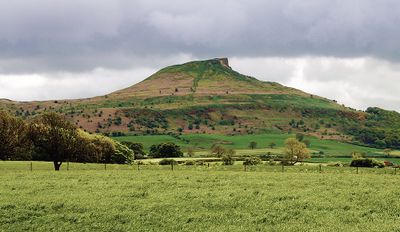
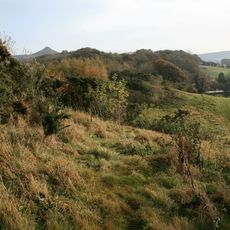
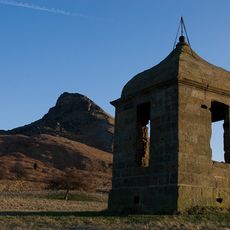
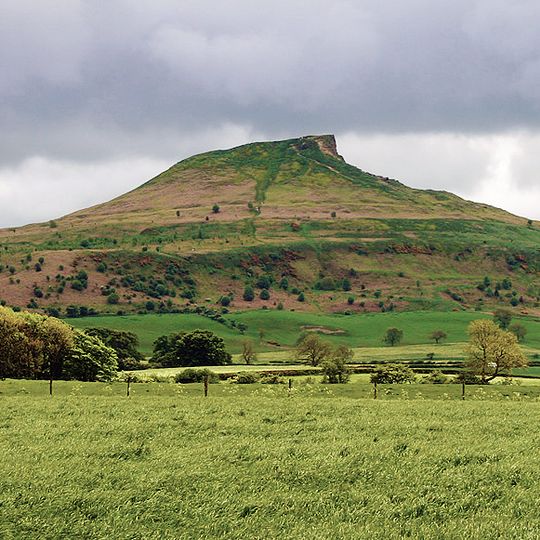
Roseberry Topping is a 320-meter sandstone hill in the North York Moors with a distinctive half-cone shape and rough cliffs that create a notable silhouette. The summit rises prominently from the surrounding terrain and serves as a recognizable landmark in the Yorkshire landscape.
The hill shows archaeological traces of Bronze Age settlements nearby, with Iron Age remains including walled enclosures and dwelling foundations from that period. These findings suggest the area served as an important settlement location since prehistoric times.
The name comes from Old Norse roots and has been documented since 1119, reflecting the deep Viking heritage of the North Yorkshire region. Visitors can sense this historical connection through local place names and landscape features that shape the cultural memory of the area.
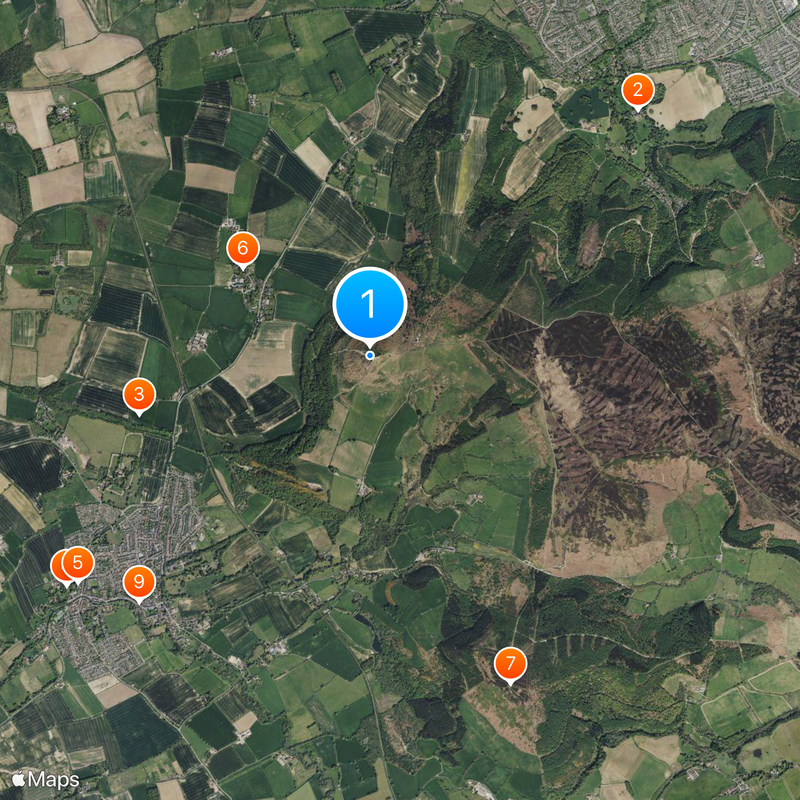
The Cleveland Way National Trail provides direct access to the summit with multiple starting points in the surrounding area. Various routes allow visitors to choose different walking distances and difficulty levels based on their fitness and time available.
A geological fault combined with mining operations in 1912 transformed the hill's original sugarloaf shape into its current distinctive form. This dramatic reshaping is clearly visible in the landscape and explains the mountain's unusual geometry today.
The community of curious travelers
AroundUs brings together thousands of curated places, local tips, and hidden gems, enriched daily by 90,872 contributors worldwide.