York, County town in North Yorkshire, England
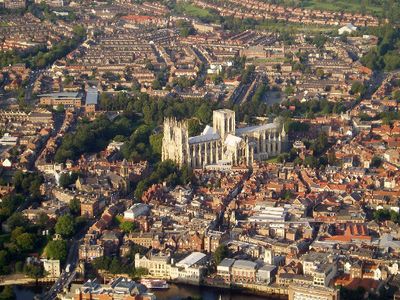
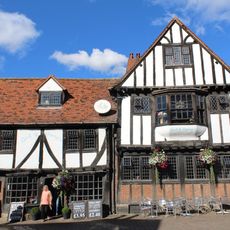
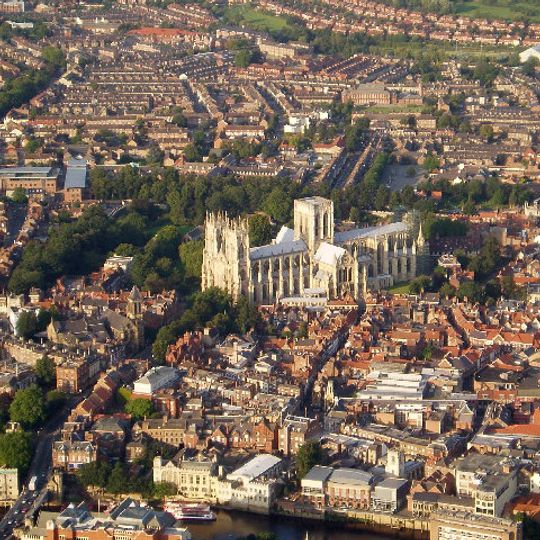
York is a historic settlement in North Yorkshire, England, serving as the administrative center of the region and home to one of Britain's most complete medieval urban landscapes. Stone walls dating from the 13th and 14th centuries circle the center for nearly 3 miles (5 kilometers), forming a walkable perimeter with towers and gateways still standing.
A Roman legion built a fortress here in 71 CE, which grew into the provincial capital where Constantine was declared emperor in 306. After the Romans left, Anglo-Saxons settled the area before Vikings conquered it in 866, transforming it into the trading hub of Jorvik.
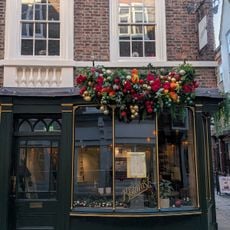
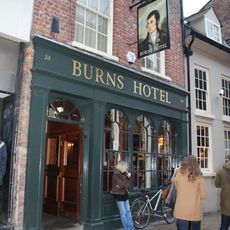
Local residents still gather in traditional pubs along the cobbled streets, continuing centuries of social habits rooted in the community's medieval layout. Weekend markets bring vendors selling regional produce, while locals use the ancient footpaths as everyday routes between work and home.
The railway station sits just outside the old walls, about a ten minute walk from the center, with the ramparts serving as a helpful landmark for orientation. Most attractions lie close together within or near the walls, making walking the easiest way to explore, though comfortable shoes help on the uneven cobblestones.
The entire city sits several meters above the level of its Roman and Viking streets, with centuries of debris and rebuilding gradually raising the ground. Visitors can see this layered history where excavations reveal doorways now buried underground and walls that once stood at street level.
The community of curious travelers
AroundUs brings together thousands of curated places, local tips, and hidden gems, enriched daily by 90,787 contributors worldwide.