Hull's Old Town
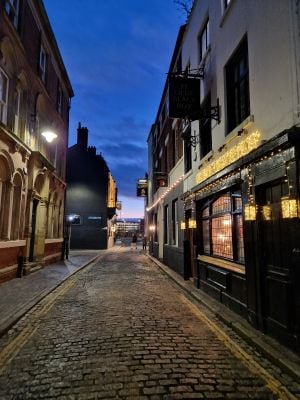
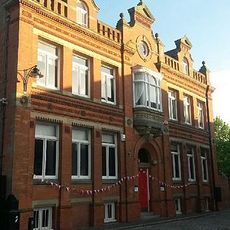
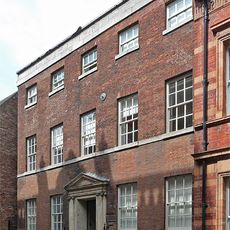
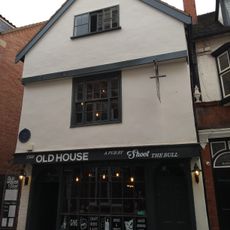
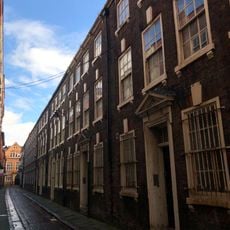
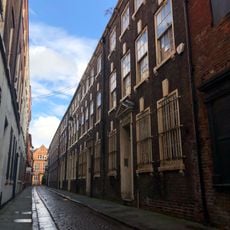
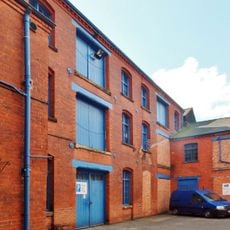
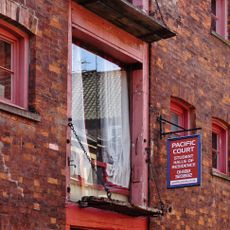
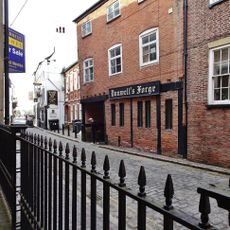
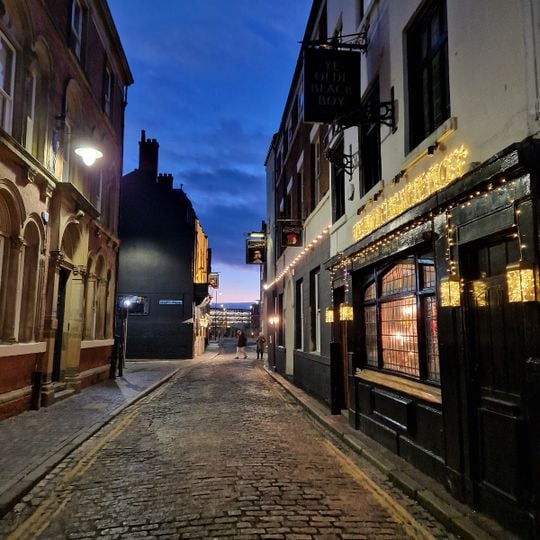
Hull's Old Town is a historic neighbourhood in Kingston upon Hull featuring narrow winding streets and buildings spanning several centuries. Most structures date from the Georgian to Edwardian periods, with brick facades, exposed timber details, and cobbled streets that have maintained their medieval layout.
The neighbourhood developed as Hull's original trading centre at the mouth of the River Hull from medieval times into a major fishing and commercial port. In the 1600s it became connected to English Civil War events, most notably when King Charles I was refused entry at Beverley Gate, a turning point in that conflict.
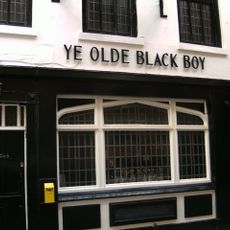
The name reflects its origins as Hull's first trading hub, centered on the River Hull waterfront. Today locals and visitors move through the cobbled streets to shop, eat at historic pubs, and explore galleries, keeping the area active while preserving its medieval layout.
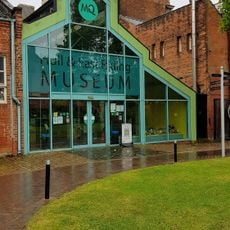
The neighbourhood is easily walkable with sections that naturally invite a relaxed pace, making it simple to notice architectural details and building plaques. Free museums and information boards are scattered throughout, helping visitors understand the area's history without needing scheduled tours.
The George Hotel houses what is claimed to be the world's smallest window, a tiny architectural oddity that visitors often overlook. This quirky feature is a reminder of old building practices and catches the attention of those seeking hidden local details.
The community of curious travelers
AroundUs brings together thousands of curated places, local tips, and hidden gems, enriched daily by 90,776 contributors worldwide.