Kingston upon Hull, Port city in Yorkshire, United Kingdom
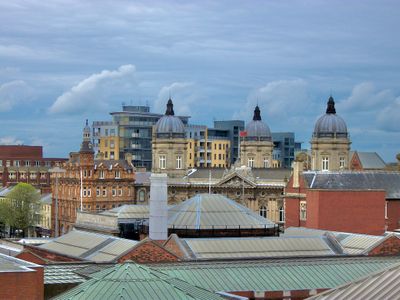
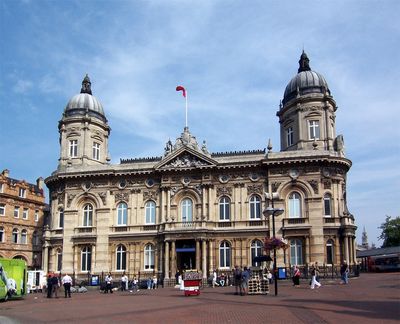
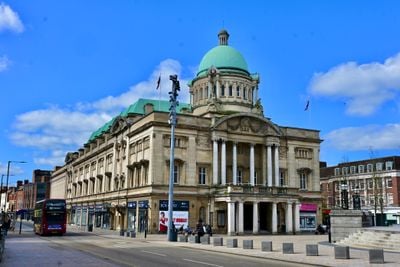
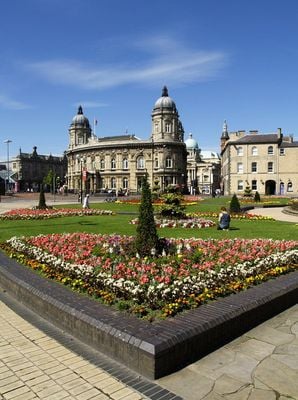
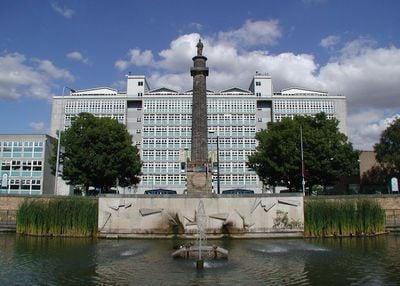
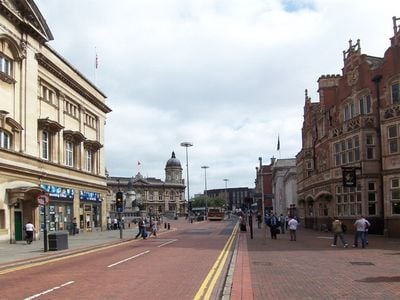
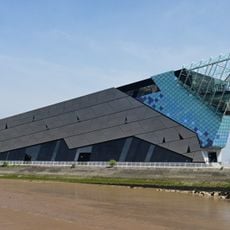
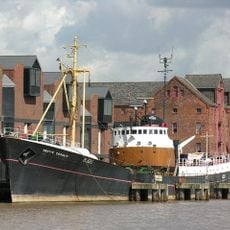
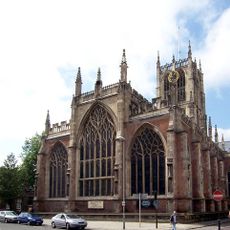
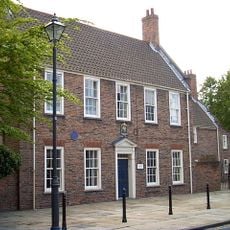
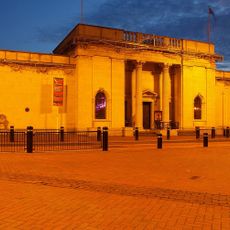
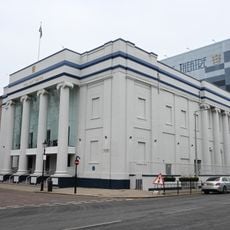
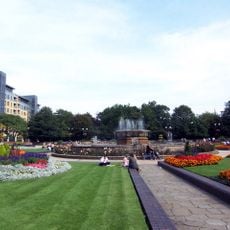
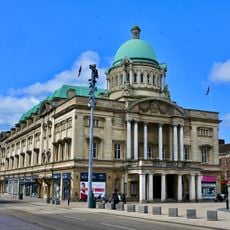
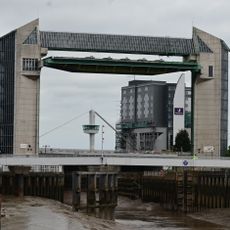
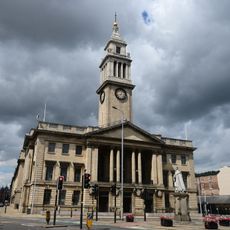
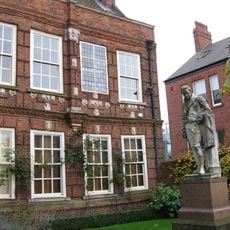
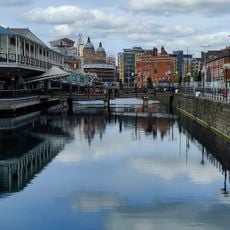
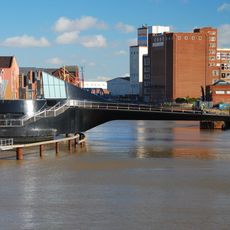
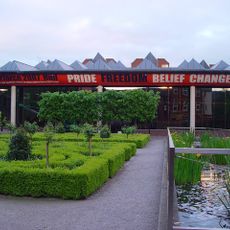
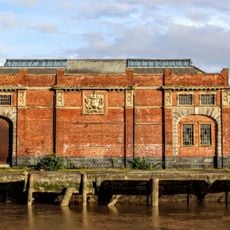
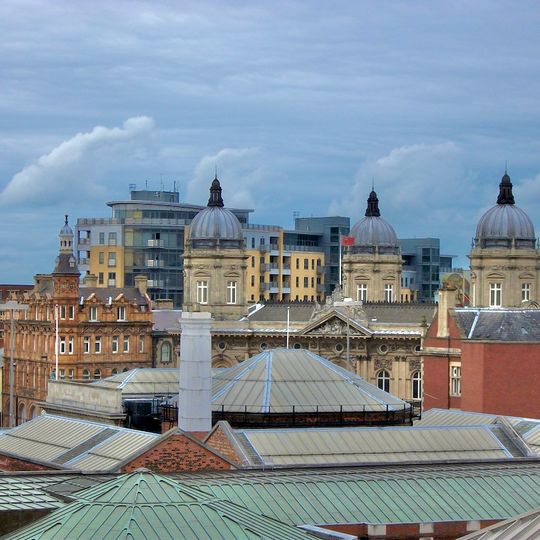
Kingston upon Hull occupies the north bank of the Humber estuary where the River Hull flows into tidal waters, hosting Victorian docks, waterfront museums, and a modern aquarium called The Deep. Pedestrian streets cross the Old Town between brick terraces and warehouses, while shopping arcades and regenerated marina precincts stretch toward the river frontage.
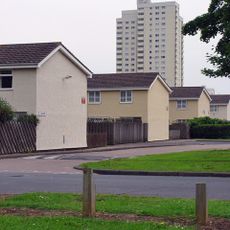
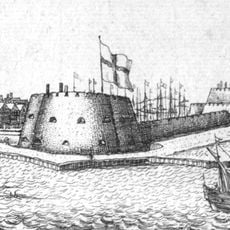
Edward I granted a royal charter in 1299 and renamed the settlement after himself, adding the Kingston prefix that survives today. The port flourished through the Victorian era and suffered heavy bombing during the Second World War, followed by gradual rebuilding and economic transition away from traditional fishing and shipping industries.
Locals speak with a recognizable accent and refer to their home simply as Hull, maintaining a sense of independence shaped by its maritime past and distance from major cities. Pubs, fish-and-chip shops, and community theaters reflect everyday social life, while contemporary arts venues bring students and families together in renovated warehouse spaces.
The central railway station connects to London, Leeds, and Manchester with regular services, while local buses cover neighborhoods and nearby towns along the Humber coast. Walking between the Old Town core and waterfront attractions takes about twenty minutes, and well-marked cycle paths run along former dock railways beside the marina.
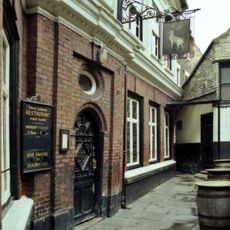
A narrow alley near the Old Town holds a building with what locals claim is England's smallest window, barely 25 centimeters high and set into an old hotel wall. Several street names, such as Land of Green Ginger, recall medieval spice imports and lead visitors into hidden courtyards that have survived redevelopment.
The community of curious travelers
AroundUs brings together thousands of curated places, local tips, and hidden gems, enriched daily by 91,676 contributors worldwide.